There are ways to verify whether a company values sustainability, and a tried-and-true way for companies to prove this is to display a B Corp logo on their products. Due to past events, this is no longer the case.
What Is B Corp Certification?
B Lab is a nonprofit organization that gives out the B Corp certification. The certificate is based on the rating the company receives for its environmental and social impacts; a score of 80/200 is considered a passing grade. A foundational issue is that the companies can appear more environmentally friendly by compensating for poor environmental performance by offsetting it with better scores in other areas. It is possible for a company to still be harming its environment and land a B Corp certification.
Real Examples
And this is not some unfounded worry; Nespresso got B Corp Status in 2022. Yes, the same Nespresso whose main product is fundamentally harmful to the environment (single-use aluminum coffee pods), and received accusations of human rights violations regarding their supply chain. A Fast fashion brand, Princess Polly, got it in 2025. Clearly, these standards can be gamed.
What Changed in 2025
B Lab has done well to address these concerns and, in April 2025, made sure there were mandatory minimums that companies had to meet to receive its blessing. There are seven specific areas they will review, so companies can no longer hide their poor environmental scores by scoring well in other areas.
This will go on to be a cautionary tale. B Corp’s certification status depends on whether its requirements are stringent. If just any company can grab a certification, it loses its value. It’s important as well that if you spot a B Corp logo on a product, make sure you look up its actual scores. They could be fudging the truth.
Noise is easy to dismiss because it leaves no physical trace. But for wildlife, anthropogenic noise pollution functions like a permanent alteration to habitat, reshaping how animals move, communicate, and survive.
A recent study published in Wildlife Biology Letters examines how chronic human-generated sound affects animal behavior over time. Rather than focusing on short, dramatic disturbances, the researchers show that persistent noise changes everyday decision-making, including vigilance levels, movement patterns, and energy use
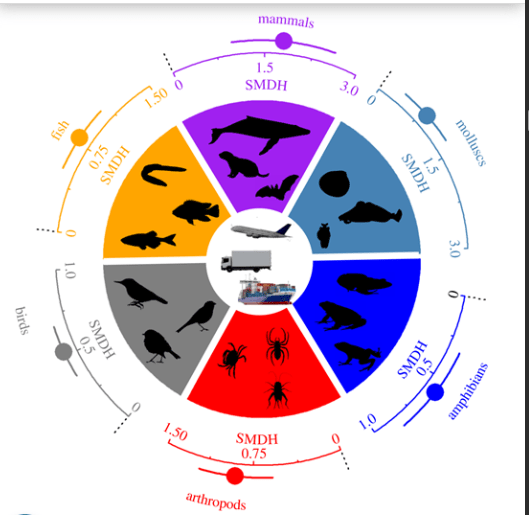
These subtle shifts matter because they accumulate, quietly reducing fitness without obvious signs of immediate harm. Sound is not background for animals. It is information. When mechanical noise masks biologically meaningful cues, animals must adapt by moving differently, spending more energy remaining alert, or abandoning otherwise suitable habitat. A large meta-analysis published in Biology Letters supports this pattern across taxa, finding that noise disrupts behavior in birds, mammals, amphibians, fish, and insects alike, regardless of evolutionary lineage.
Effects of anthropogenic noise on taxonomic groups. Shown are the standardized mean differences (SMDH) and 95% confidence intervals (CIs) from random-effects models. The dashed line at zero indicates no effect of anthropogenic noise; an effect of noise occurs if the 95% CI of the SMDH does not overlap zero. The effects of anthropogenic noise on animals: a meta-analysis | Biology Letters | The Royal Society
Importantly, the consequences of chronic noise are not limited to remote ecosystems. In North Tonawanda, New York, residents have filed a class-action lawsuit against a cryptocurrency mining facility, alleging that its industrial-scale cooling fans produce constant, low-frequency noise that operates day and night. Reporting shows that the sound is not only audible but physically felt as vibration, prompting claims of lost sleep, stress, and diminished quality of life.
The case illustrates a key point often missing from environmental debates: noise pollution affects humans and wildlife through the same mechanisms of chronic exposure.
Unlike visible habitat destruction, noise is rarely regulated with ecological impact in mind. Yet treating landscapes as intact while allowing soundscapes to degrade creates a false sense of protection. Habitat is not just what animals see. It is what they hear. Until noise is recognized as a shared environmental resource, conservation efforts will continue to leave part of the ecosystem unprotected.
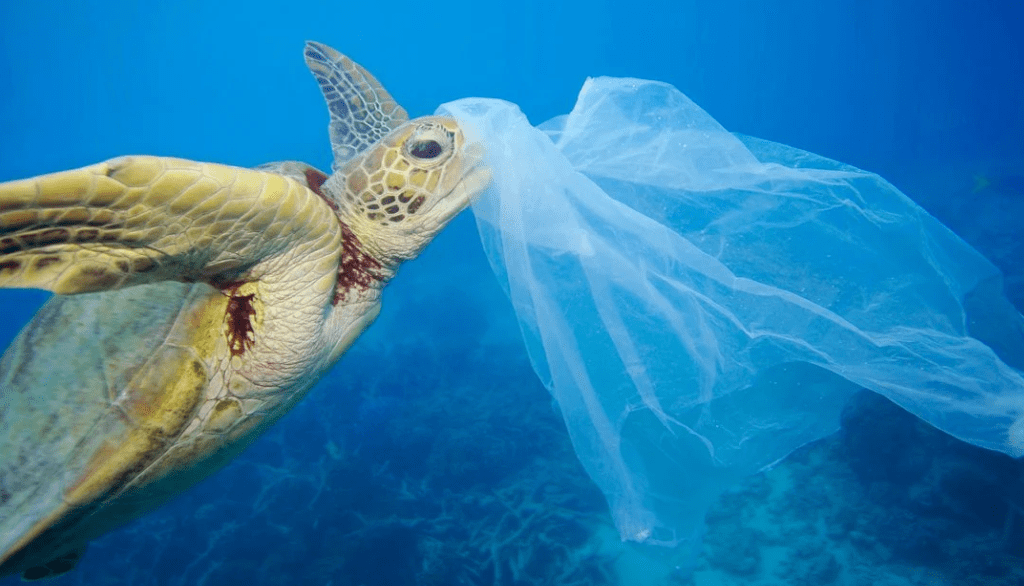
Every year, as the amount of plastic in the ocean increases, the number of marine animals continues to decrease. Recent studies have shown that ocean plastic pollution is contributing to the decline of sea turtles, putting them closer to extinction. Sea turtles are considered to be a vital part of marine ecosystems because they maintain balance. According to other studies that have been performed, about 52 percent of sea turtles have ingested plastic debris. This has led to plastic pollution being one of the biggest threats that sea turtles face today. In about 22 percent of cases, ingesting plastic has led to ruptured internal organs or fatal intestinal blockages. Scientists have predicted that by the year 2050, the amount of plastic will outweigh the amount of fish in the ocean. Currently around the world there are many solutions that are being created to try and attempt to address this problem, while some solutions to address this issue currently exist. In 2022, 175 nations agreed to sign a binding plastic treaty, which aims to end plastic pollution. Some ways that we can contribute to making a change in this issue include reducing the amount of single use plastic that we use in our everyday lives, properly dispose of waste, and picking up plastic that we may come across.
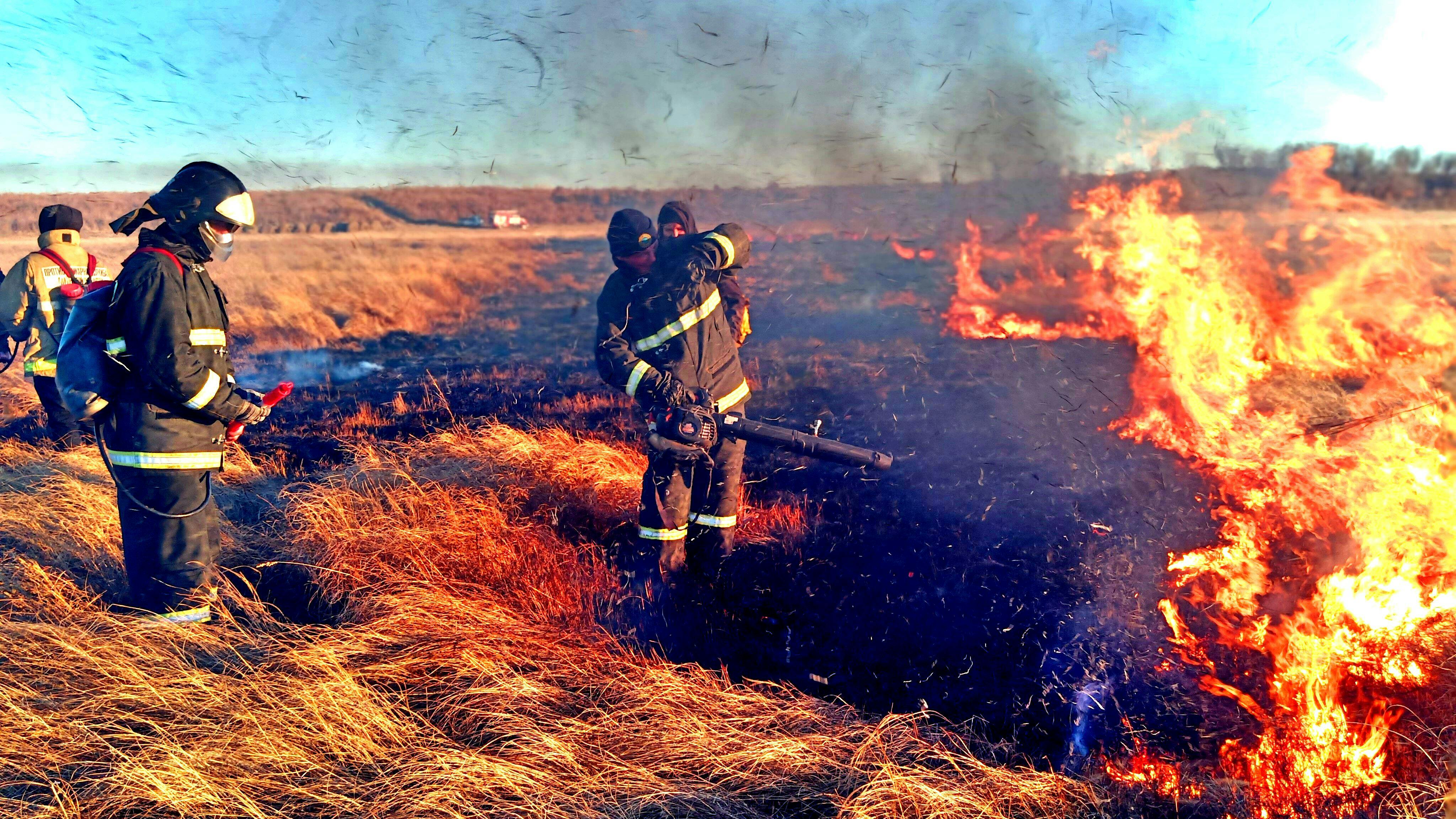
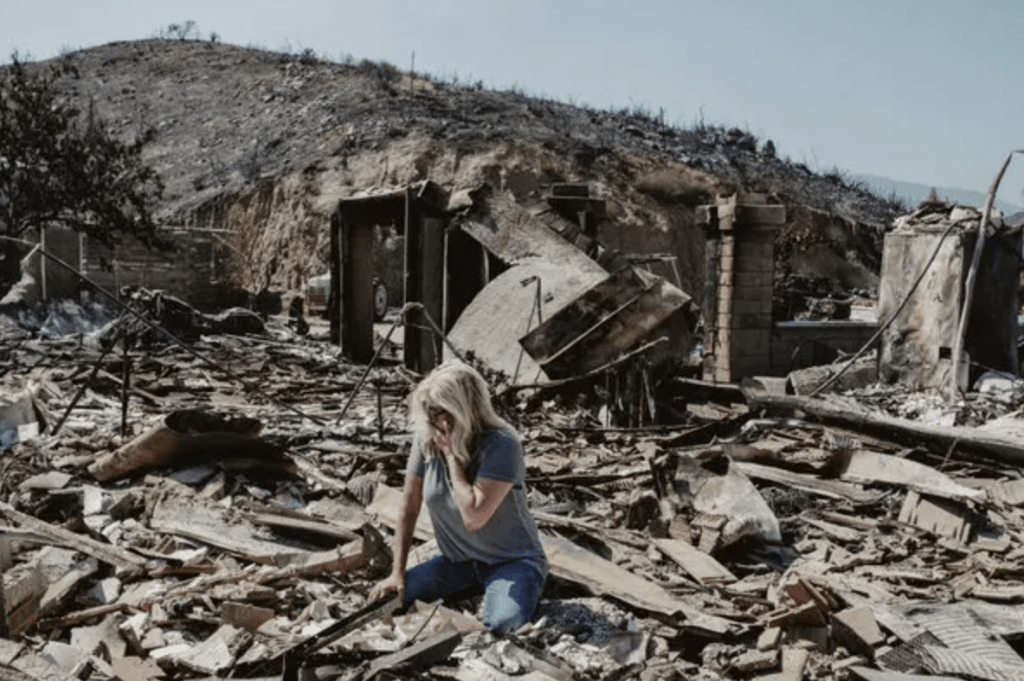
Wildfires are unplanned fires that burn in forests, grasslands, and other ecosystems, and they can start with a natural event like a lightning strike or by accident as the result of human activity. Campfires, discarded cigarettes, and electrical equipment like downed power lines all spark wildfires. But climate change, along with poor forest management, can make environments more susceptible to burning. Severe heat and drought, which are worsening due to climate change, can fuel wildfires.
Hotter temperatures evaporate more moisture from soil and vegetation, drying out trees, shrubs and grass and turning leaf litter and fallen branches into kindling.In times of drought, trees that are stressed by a lack of water may also become more vulnerable to insects and diseases that can weaken or kill them, creating more fuel for fires.
Extreme wildfires are devastating communities and ecosystems. We can help reduce risks through better forest management and community planning.
But we humans must work on eliminating the greenhouse gas emissions that are warming our planet. We know how to cut climate pollution to create a safer world for future generations, and the time to act is now.
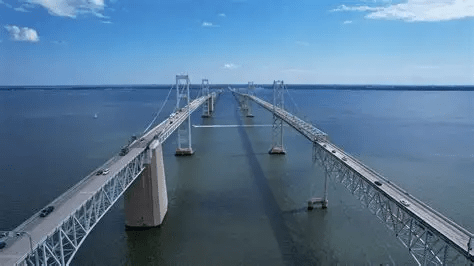
The Trump Administration has rolled back environmental protections, which are harmful not only to the fight against climate change but also to the Chesapeake Bay.
The CBF
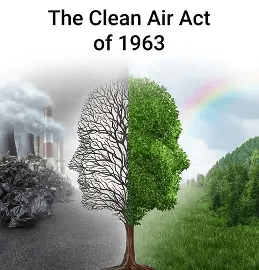
The Chesapeake Bay Foundation, joined by other individual environmentalists, is taking Donald J Trump’s EPA to court over the concerning rollbacks that will do more harm than good. The Clean Air Act, written into law in 1963, had an addition added onto it in 2009 called the Endangerment Finding to help fight climate change, however is getting rolled back which has been described as the “Single largest deregulatory action in U.S. history” and “if ruling is allowed to stand it can abandon the work of climate change at the federal level.”
The Front Line Of Climate Change
The Chesapeake Bay is on the front line of the fight against climate change, as a matter of importance from the CBF, which later described having intense storms and water levels rising, which overwhelm marshes, extreme temperatures hurt people, animals, and plants, warmer waters have less oxygen, and more runoff pollution. CBF has worked tirelessly to help reverse these issues that are now more prevalent in our modern day. The CBF Vice President Allison Hooper Port said, “Climate change is already harming people and the Chesapeake Bay, regardless of the Trump Administration’s ridiculous claims. This latest rollback is a threat to us all.”
Implications
It’s important to know that it’s not just the people who are part of the fight against climate change; it’s the individuals in power as well. The current Trump Administration is enacting these rollbacks for selfish reasons and is not seeing the bigger picture beyond just profits or economic freedom. We must vote, take action, and increase the intensity of these politicians to make them realize not what they can gain from protecting the Chesapeake Bay, but what they can lose if more harm than good is done.
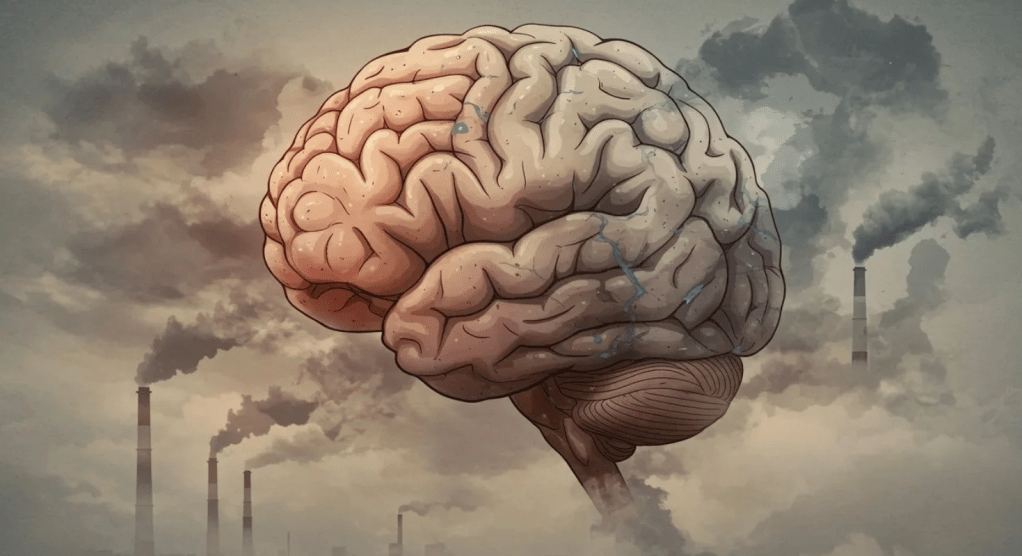
If you want your brain to age slowly, you may want to move to a city with less air pollution, a warmer climate and less social inequality. Most of us know that diseases like Alzheimer’s or mild cognitive impairment can speed up the brain again, but a new study published in Nature Medicine shows the environment you live in may influence the brain age just as much.
The study looked at data from more than 18,000 individuals in 34 different countries, and they discovered that a mix of environmental exposures and social factors caused a quicker brain again. Surprisingly these factors caused the brain to age 15 times more than personal factors. The study found that things like air pollution, lack of green areas were linked to physical brain structure and social issues such as inequality caused a shift in how the brain operated. This study uses previous studies and expands on them to understand just how detrimental it is.
Damaged Brain in Pollution
This article made me rethink how I view health. Since I remember we’ve been told that nutrition, working out, genetics are the biggest influencers but this study just showed us how environment and the luck of where you live and your social aspect affects your brain just as much if not more. It’s quite scary to realize how things you have no control could be damaging your brain.
Furthermore, the article addresses how environmental justice is unfair. Not everyone has access to clean air, green spaces or a friendly community. Although this study does a good job at addressing a concern, how realistic is it for us to be able to fix this issue? It would require serious policy changes, the world to cooperate and commit to it.
#airpollution #agingbrain #environment
References:
Pollution, Poverty, May Age the Brain as Much as Alzheimer’s Disease – Medscape – April 15, 2026.
I’ll be honest: I walked into this topic ready to argue against space spending. After writing last week’s post about Gil Scott-Heron’s “Whitey on the Moon” and the real cost of misaligned federal priorities, I was convinced the case was closed. Spend the money here. Fix the Earth. Leave the stars for later.
Then I started listening to StarTalk, Neil deGrasse Tyson’s long-running podcast where science, comedy, and pop culture collide. And I heard something that genuinely changed how I think about this.
Tyson’s core argument isn’t that space is more important than Earth’s problems. It’s that most people don’t understand how deeply space investment has already shaped their daily lives. including the tools we now use to fight those problems. And after doing my own research, I had to admit he’s right.
Here’s what I didn’t know: NASA didn’t just send astronauts to the moon. It quietly built the foundation for modern renewable energy. General interest in solar power waned after the energy crisis of the 1970s, but NASA was still a paying customer, pushing for the development of more efficient and affordable solar cells. Among the spinoffs from those ongoing efforts were solar-powered refrigerators, solar-powered air conditioners, and long-lasting, low-energy lighting options. HowStuffWorks In other words, when the market gave up on solar, NASA kept the lights on literally.
That’s not a footnote. That’s the origin story of an industry that now powers millions of homes.
NASA’s Technology Transfer program has the sole mission of getting space innovations into the hands of companies, entrepreneurs, and everyday people. The agency’s Spinoff publication has captured this work for half a century, sharing stories of space technologies improving life on Earth. NASA Technology The 2026 edition alone documents technologies now being used in affordable housing construction, heart monitoring implants, and agricultural innovation all derived from space research.
Solar panel improvements from satellites now power homes and businesses. NASA’s research on efficient, lightweight solar cells has made renewable energy more practical. Fuel cells from the Apollo era now support renewable energy systems. Spacevoyageventures
This doesn’t erase the equity concerns I raised last week. The question of who benefits from space investment, and who gets left out is still real and still urgent. But Tyson’s point is harder to dismiss than I expected: the pursuit of space doesn’t just compete with solving Earth’s problems. Sometimes it’s the thing that hands us the tools to solve them.
I still think our environmental funding priorities are broken. I still think the EPA shouldn’t be getting its budget gutted while Artemis gets $8.5 billion. But I’ll stop treating space exploration as the enemy of environmental progress. The truth is more complicated and more interesting than that.
In 2021, 1 in 10 American houses were impacted by natural disasters, causing 14.5 billion dollars in losses. In a world where natural disasters like wildfires, floods, hurricanes, and blizzards are becoming more frequent and more intense, Americans should be concerned the risk climate induced natural disasters pose to their homes.
The risk is distributed by geographical area. In Northern states and states along the Eastern seaboard, winter storms ruined 12.7 million homes. In Western states, wildfires caused 1.5 billion dollars in damages. While more homes are destroyed by natural disasters, insurance rates are skyrocketing in impacted areas. Communities at risk have to pay for increased insurance rates and may have to pay increased costs due to not-covered damage.
This puts low income and marginalized communities at an increased risk. A study from Johns Hopkins and UCLA determined “climate-related damage [as a key contributor] to sudden homelessness surges from 2019 through 2024”. (Rylan DiGiacomo-Rapp, 2026) Natural disasters cause a 3% increase in average poverty in American states. It is vital to create climate displacement plans for neighborhoods at risk.
the crisis is no longer theoretical…it’s already unfolding in real time.
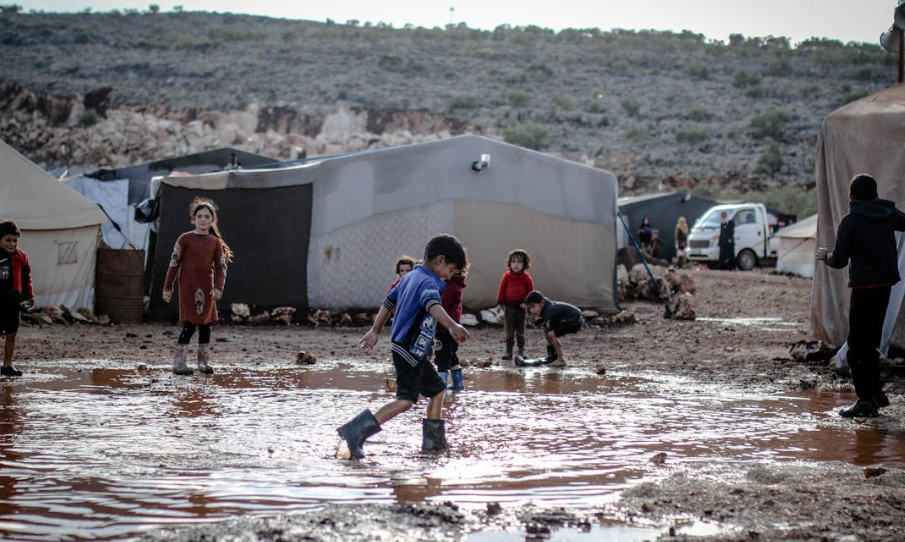
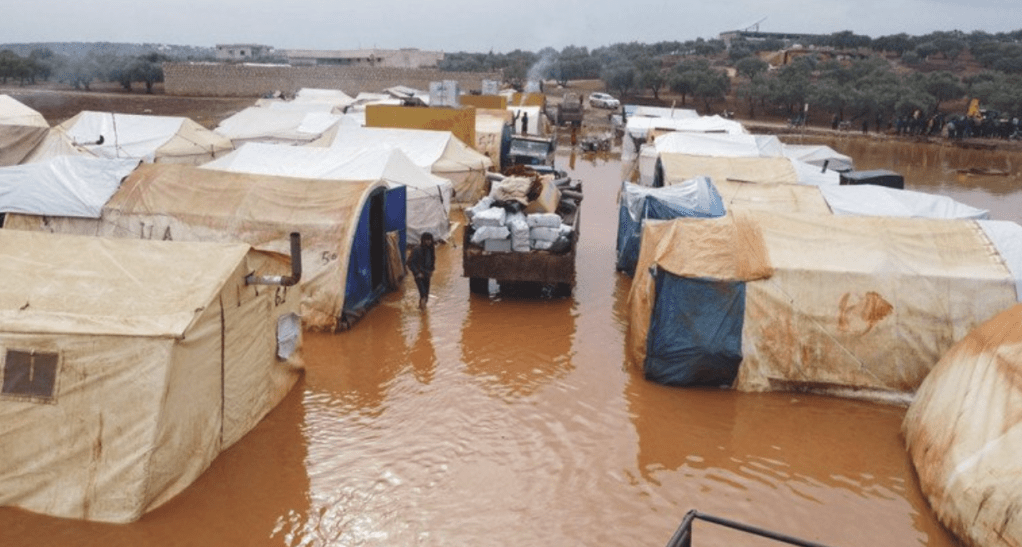
Refugee kids playing between their wet tents in cold winter
Recent reports show that extreme weather is driving record levels of displacement globally, with 2024 ranking among the highest years ever recorded for climate-related displacement (USCRI). And this isn’t happening in isolation…it’s overlapping with conflict, poverty, and fragile systems.
Take Sudan, for example. While much of the displacement is linked to conflict, climate factors like flooding and environmental stress are making the situation worse, pushing communities into repeated cycles of displacement (iom.int).
This creates something researchers are now calling “double displacement”..where people are forced to move not once, but multiple times due to overlapping crises (ReliefWeb).
And it’s not just one region.
In places like Bangladesh, rising sea levels and environmental degradation are quietly pushing people into cities, where they face overcrowding, poverty, and instability (Refugee Law Initiative Blog).
What we’re seeing now challenges one of the biggest assumptions in policy: that displacement is a single event.
It’s not.
It’s ongoing. Repetitive. And increasingly unavoidable.
Fire management plans are required for emergency preparation. The fire management plan is a document that lays out how fire management strategies and tactics will protect values-at-risk, such as structures, viewsheds, and archeological sites, and provide the necessary tools to meet resource and park management goals and objectives. The plan is based on professional fire management expertise, specific knowledge of park resources, visitor use patterns, local weather patterns, fire history, science, and ecology. Policy development is a vital part of wildland fire management. Policy describes the overall intent and purpose of the Wildland Fire Management Program. Having clear direction leads to a safer work environment for firefighters and promotes integration of fire management activities with other land management objectives. Policy is developed both at the interagency level to provide consistency across agency boundaries. It’s good that first responders and fire experts are coming up with land policies to prevent wildfires.
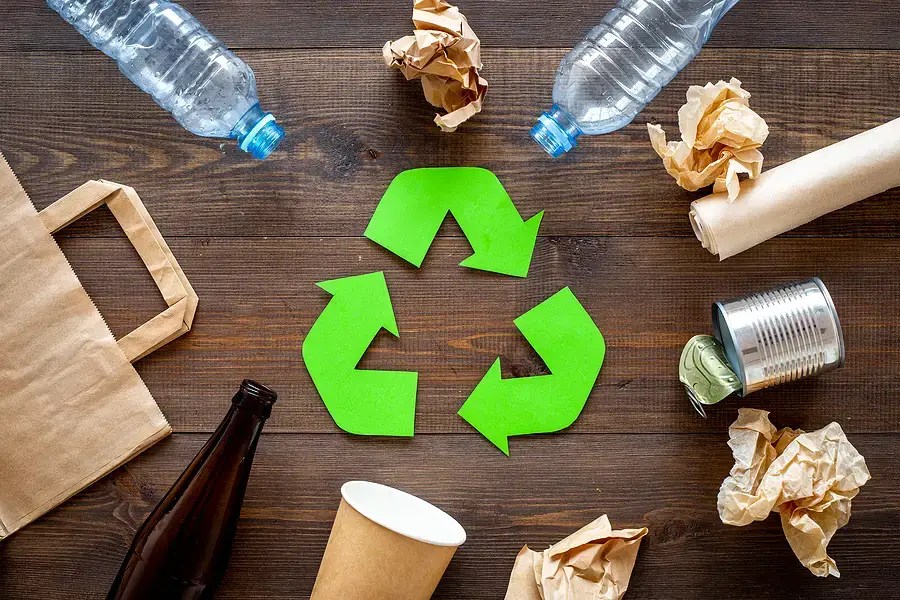
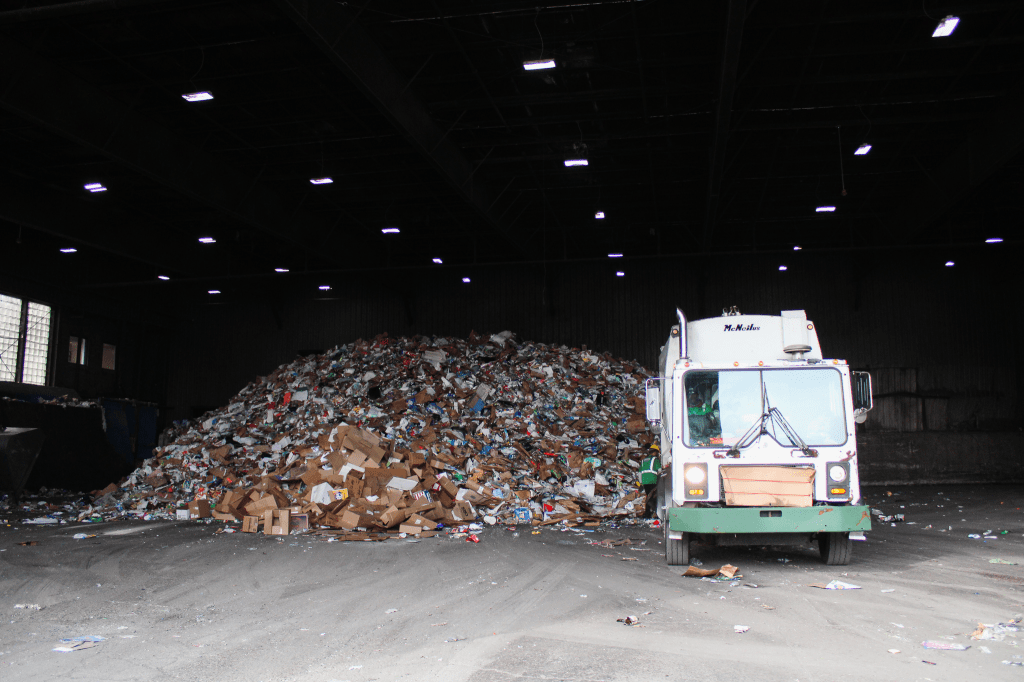
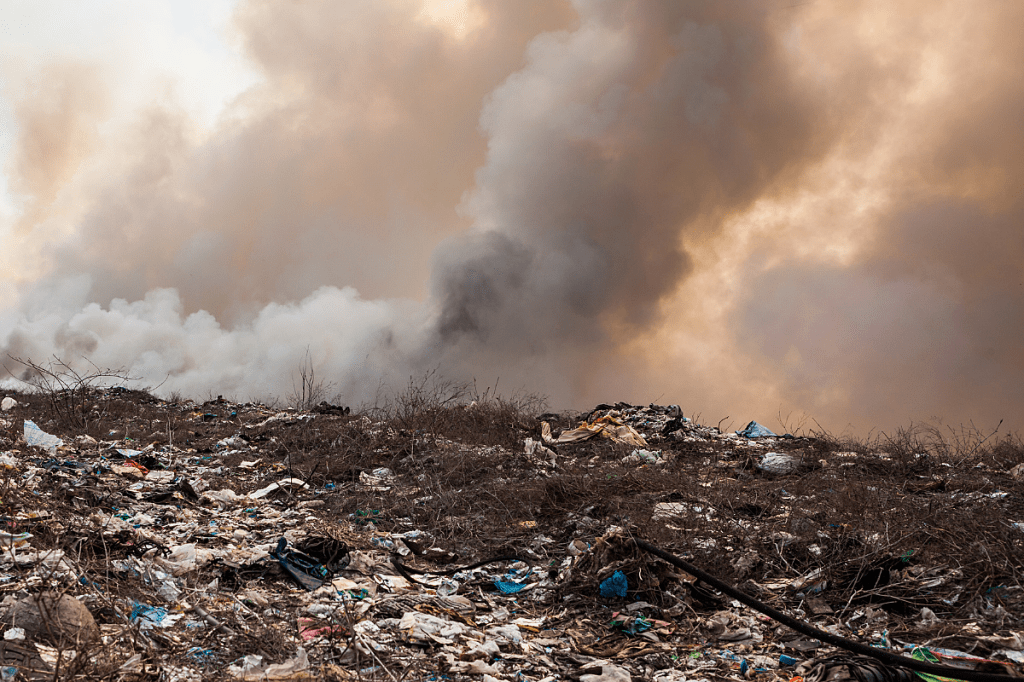
If recycling is the solution to our waste problem, why is so much of our trash still ending up in landfills?
In the United States, recycling rates have remained stuck at around 32% for years, despite awareness and participation efforts . That means nearly 2/3 of all waste is still not being recycled, even though more people believe they are doing the right thing.
This gap reveals a larger problem.
Recycling systems are not designed to handle the large volume of modern waste. In fact, only about 21% of recyclable materials are successfully recycled, while most are lost due to confusion, contamination, or lack of access. Even when items are in recycling bins, they are not always processed successfully.
Contamination is a major issue. Studies estimate that roughly 25% of items placed in recycling bins are not recyclable, which can cause entire batches to be rejected and sent to landfills instead. As a result, recycling can actually lead to more waste when non-recyclable items contaminate the system.
The problem becomes even more complex when we look beyond recycling bins.
Some recyclable materials are exported to other countries or sent to incineration facilities. While incineration can generate energy, it also produces emissions and raises environmental justice concerns, especially for communities located near these facilities. Meanwhile, materials like plastics continue to have extremely low recycling rates, with only about 8–9% of plastic waste actually recycled in the U.S. .
All of this points to a key issue: recycling focuses on managing waste after it is created, not preventing it in the first place.
This is why policies like Pay-As-You-Throw pricing systems matter. Instead of relying solely on recycling, PAYT systems aim to reduce the amount of waste generated by creating financial incentives at the household level. Communities that have adopted PAYT programs have seen significant reductions in landfill waste, showing that behavior-based policies can address the problem at its source.
For Prince George’s County, this is important.
Recycling should remain a key part of waste management, but it cannot be the only strategy. Without policies that reduce overall waste production, recycling alone risks creating the illusion of progress while landfills continue to grow.
The solution is not to recycle more, it is to waste less.
For residents, that might mean paying closer attention to what actually belongs in recycling bins or reducing single-use consumption. For policymakers, it means considering systems that go beyond recycling and address waste at its source.
Because what we throw away doesn’t disappear, it just goes somewhere else.
A wildfire would start from a human ignition or a natural cause. It would then be fueled by flammable factors such as wind or dryness, and the fire would continue to spread and intensify. Then the blaze went into creating dozens of small fires to continue the spread. In this phase, the fire can go into a dangerous event called a flashover. This is when the right combination of heat, oxygen, and fuel can cause a nearby tree or house to suddenly catch fire. This almost-instantaneous phenomenon leaves little time for escape. Wildfires also escalate rapidly through a combination of dry, abundant fuel, high winds, and steep terrain, often described by the fire behavior triangle. Escalation is driven by preheating ahead of the flame front, ember-driven spotting, and climate change-induced droughts that make vegetation extremely flammable. After all stages of a wildfire, depending on the intensity, the fire may go into the smoldering stage, where the flames die down.
Lightning is the most common ignition source that causes the vast majority of wildfires. There are two types of lightning: cold and hot. Cold lightning is usually of short duration and thus rarely a cause of wildfires. The same cannot be said of hot lightning: currents in hot lightning have less voltage but occur for a longer period of time. Because of the intense heat it generates, hot lightning accounts for the majority of natural fires. While this natural phenomenon is completely unpredictable, adequate land management and landscape fire management planning can significantly diminish the intensity of wildfires and prevent unnecessary deaths and the displacement of people and animals.
Climate change is undoubtedly the biggest trigger of extreme lightning storms. Warmer and longer summers heat the land surface. This, coupled with an increase in carbon emissions, causes stronger updrafts that are more likely to produce more powerful and frequent lightning.
Lighting contributes to climate change primarily through the massive consumption of electricity generated by burning fossil fuels, accounting for over 2% of global greenhouse gas emissions. Inefficient lighting wastes energy, while improper outdoor lighting adds millions of tons of carbon dioxide to the atmosphere.
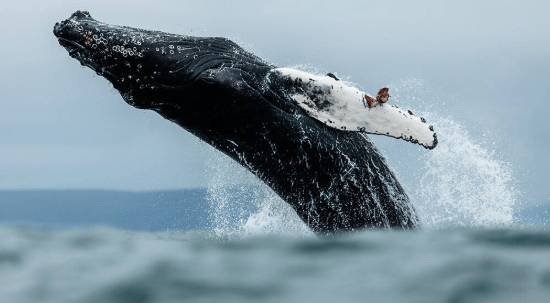
For whales, sound is survival. It guides migration, sustains family bonds, and makes feeding possible in a world where light barely travels. Yet underwater noise pollution, largely caused by human activity, has transformed the ocean from an acoustic habitat into a constant disturbance.
Over the past two centuries, ambient ocean noise has shifted sharply toward anthropogenic sources. Commercial shipping, military sonar, offshore construction, and seismic exploration now dominate marine soundscapes. A 2024 study published in Movement Ecology shows that rising background noise does more than annoy whales. It actively disrupts migration by shrinking the distance over which they can hear one another and detect environmental cues. In extreme scenarios, researchers found that whales may fail to reach their destinations altogether due to confusion or avoidance behavior (Johnston & Painter, 2024).
This disruption carries cascading consequences. When communication breaks down, whales expend more energy traveling longer distances, struggle to coordinate feeding, and experience elevated stress. These effects are not isolated or speculative. According to recent reporting from the Raincoast Conservation Foundation, endangered killer whales in the Pacific Northwest are calling less frequently as vessel noise increases, sometimes reducing call rates by over 20 percent during louder conditions. Silence, in this context, is not peace. It is displacement (Raincoast, 2026).
The framing of whale deaths often centers on ship strikes or entanglement, but underwater noise pollution operates more subtly and more pervasively. It rarely kills outright. Instead, it erodes behavior, culture, and reproductive success over time. This raises a harder question. If human noise systematically prevents whales from feeding, migrating, or communicating, where does responsibility lie?
Calling ships the “true killers” may oversimplify the issue, but ignoring acoustic pollution allows it to continue unchecked. Quieter ship designs, speed reductions, and protected acoustic habitats already exist as viable solutions. Whether they are adopted depends on whether we are willing to treat sound as a shared environmental resource, one we are currently taking without consent.
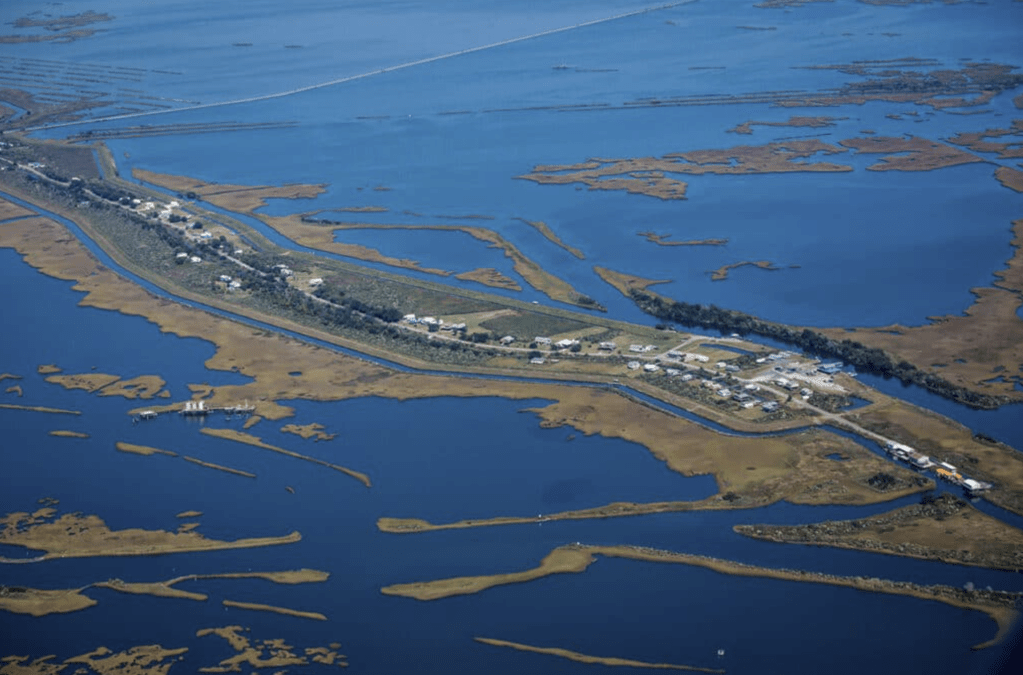
In the next 25 years, 2.5 million Americans may have to migrate as a result of climate-induced sea level rise. Louisiana is one of the states most at risk- it could lose over 9000 square miles in that time frame.
In 2016, the state received 50 million dollars in grant money to relocate the residents of Isle de Jean Charles in the first instance of federal funded climate migration. The Isle had been battered by several hurricanes and by rising sea levels, making residence difficult. It was the subject of 2025 documentary “Lowland Kids“, showcasing the Biloxi-Chitimacha-Choctaw tribal members living on the island.
However, the chosen families were moved to a new community that may be inundated by sea level rise in the future (under current carbon emission projections). The houses were built quickly, and there are several problems with house appliances and foundations. This project shows it is vital to ensure new settlement locations are picked for longevity and communities being uprooted are given the resources they need to succeed.
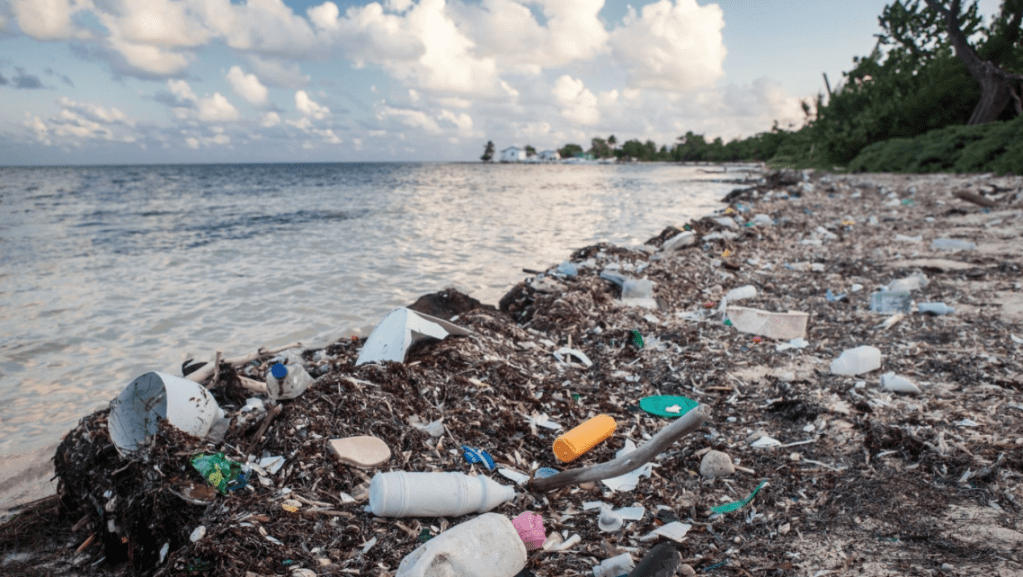
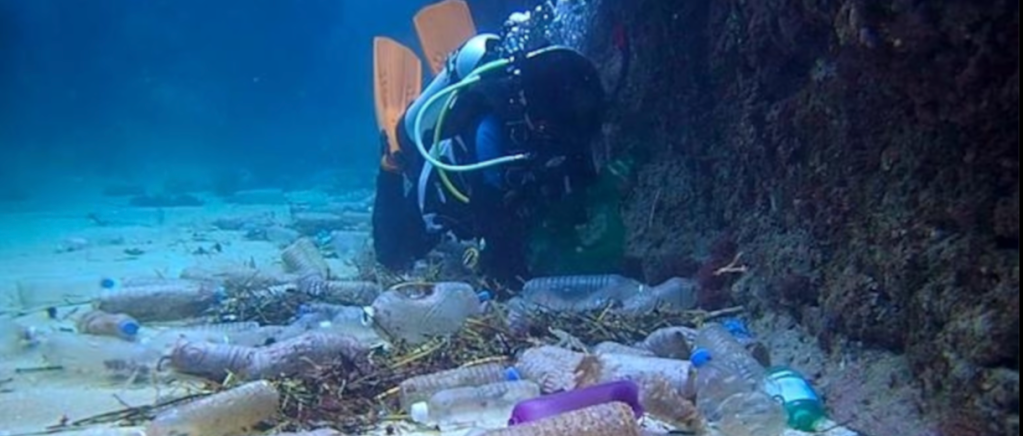
Although plastic may be a very convenient material that is used everywhere, in bags of chips, straws, cups, bags, etc. It is also a very dangerous material that is now in the top 10 environmental problems that we are facing in 2026. According to the article Top 10 Environmental Problems Facing The World in 2026: Climate Change, Pollution, and Global Impact, the plastic pollution crisis is number 2 in the top 10 environmental problems. Every year, millions of tons of plastic end up in the ocean. This has led to microplastics being found nearly everywhere in the ocean ecosystems. Microplastics have been found in marine life, drinking water, and even human bodies. This crisis has even led to damage in the economy, such as in fisheries and tourism. In another article titled, 16 Biggest Environmental Problems of 2026, plastic pollution is number four in the 16 biggest environmental problems. Some researchers have found that if this problem is not addressed then the plastic crisis will grow to 29 metric tons per year by the year 2040, not accounting for microplastics. When taking microplastics into account, the cumulative amount of plastic in the ocean can reach 600 million tons by 2040.
Scientists are proposing an ambitious and innovative project: a giant space umbrella. While it may initially sound far-fetched, it has the potential to be a viable solution.
Let’s face it, we’ve all heard about various strategies to address climate change. We construct seawalls, elevate roads, and cross our fingers that the next hurricane won’t hit us too hard. It’s exhausting, costly, and, frankly, it often feels like we’re just rearranging deck chairs on the Titanic.
However, I recently stumbled upon something that truly excited me, so much so that I felt compelled to share it with my friends at 2 a.m. Researchers at the Technion-Israel Institute of Technology have proposed an idea that seems right out of a science fiction film: a massive sunshade in space, roughly the size of Argentina.
Yes, you read that correctly.
Please explain that again.
The concept is wild yet strangely simple. You launch a massive “umbrella” into space, approximately nine million miles from Earth. It sits between us and the sun, blocking a small amount of sunlight before it reaches our atmosphere. What’s the outcome? Within two years, the planet’s temperature drops by approximately 2.7 degrees Fahrenheit.
No seawalls. No raised roads. No need to wait for Congress to unfreeze funding.
Just a huge shade. In space.
Is this even possible?
This is where things get even crazier. The team is already seeking $20 million to build a 100-square-foot prototype by 2027. That’s nothing, but how does it compare to the trillions of dollars we already spend on climate disasters? It’s actually quite cheap.
Naturally, there are critics. People point out that the full version will cost trillions of dollars. That space storms or asteroids could harm it. Instead of building giant space umbrellas, perhaps we should simply stop burning fossil fuels.
And, yes, those are fair points. But here’s the thing: we’re not stopping fossil fuels fast enough. We keep promising, and the emissions keep increasing. At this point, why not try something daring?
Why is this important?
I’ve been writing about the resilience funding gap, the difference between what we promise and what we actually build. Most of what I discover is depressing. Money freezes. Projects become delayed. People continue to flood the area.
But what is this? This is different. This isn’t about begging politicians for another grant. This is about creating something that solves the problem rather than simply treating the symptoms.
Morgan Goodwin from the Planetary Sunshade Foundation put it best: “We think as the idea of sunshades becomes more understood by climate folks, it’s going to be a pretty obvious part of the discussion.”
A space umbrella the size of a country. That sounds insane. But, really? It sounds less insane than witnessing another coastal town destroyed while we argue about permits.
For people living near Baltimore/Washington International Thurgood Marshall Airport, airplane noise is not an abstract policy issue. It is part of the background of daily life.
That reality gained federal attention this week when Senators Angela Alsobrooks and Chris Van Hollen, along with Representative Sarah Elfreth, pushed the Federal Aviation Administration to act more quickly on complaints tied to BWI airport noise pollution. Their letter follows reporting by WBAL that highlights how flight path changes introduced in 2024 have concentrated air traffic over neighborhoods like Severn, sometimes sending planes overhead every few minutes.
Reading residents’ accounts, it is clear this goes beyond inconvenience. People describe loud, repetitive noise, homes shaking, and soot collecting on surfaces outdoors. Some have raised concerns about ultra-fine particle pollution associated with jet emissions. The FAA has acknowledged the problem but suggested that meaningful fixes could take up to five years. For families living beneath these routes, that timeline sounds less like planning and more like dismissal.
What stands out to me is how tightly the impacts are clustered. Satellite based navigation may make air travel more efficient, but it also funnels planes over the same communities again and again. The Maryland Aviation Administration explains that newer procedures can reduce dispersion even as they improve precision. Precision for aircraft, however, often means predictability of disruption for the people below.
Noise pollution rarely receives the same attention as visible environmental hazards, yet its effects on sleep, stress, and overall health are well documented. When it is concentrated without community consent, it becomes an environmental justice issue rather than a technical tradeoff.
Whether the FAA responds with faster action remains to be seen. What is already clear is that residents are no longer asking quietly. Lawmakers amplifying these concerns suggests a growing recognition that environmental impacts tied to infrastructure decisions do not end at airport fences.
Headline: The FEMA Money Is Sitting in a Bank Account Somewhere. We Just Can’t Touch It.
I am referring to $150 million. That is how much disaster preparedness funding is currently stalled in Washington state. This is not due to a lack of funds or a failure by Congress to approve the funds; rather, the Trump administration has suspended a FEMA program known as BRIC (Building Resilient Infrastructure and Communities). Despite a federal judge’s order to reinstate the program, the administration has yet to act.
Let me repeat: A judge ruled that the states should receive their funds. Months have passed, but nothing has changed.
So what exactly is BRIC?
BRIC is a FEMA program that funds states to prepare for disasters before they happen. This includes projects like constructing flood walls, retrofitting structures for wildfires, establishing safe rooms in schools, and improving hospital seismic resilience. Since its inception, BRIC has invested $4.5 billion in over 2,000 projects across the country.
The Trump administration attempted to end the program in April 2025, claiming it was “wasteful.” In December, a federal judge ruled that the action was illegal and ordered FEMA to restore funding. However, as of February 2026, FEMA had yet to comply.
Let us now take a look at the situation on the ground.
In Massachusetts, two cities outside of Boston were set to receive $50 million for flood protection projects. This project would construct a barrier to prevent tidal flooding near a high In Massachusetts, two cities outside of Boston were set to receive $50 million in flood protection projects, prompting local officials to consider whether they can complete the project in smaller chunks, as the entire project may never be completed.
In Washington state, about two dozen projects worth more than $150 million are on hold. One such project aims to provide emergency power to a hospital and a school district, while another seeks to protect towns from flooding. In one instance, the state had already spent $31 million on design and permits before the federal government reduced funding.
This demonstrates what I call the resilience funding gap.
I’ve been writing about the gap between our promises and how projects are actually executed. BRIC is a great example. Congress approved the funding, projects were selected, and communities devised plans. However, the executive branch rejected the program and put it on hold.
What frustrates me is that every dollar spent on disaster mitigation saves approximately six dollars in recovery costs. By freezing this funding, the government not only fails to protect people, but it also chooses to incur higher disaster response costs later rather than investing less now in preparation.
This is not fiscally responsible; it is simply imprudent.
The water will not wait.
While FEMA decides whether to comply with the court order, flooding continues. Washington State recently requested $21 million in federal disaster aid following catastrophic flooding in December, which caused estimated damages of more than $182 million.
We could have used some of the BRIC funding to help mitigate the damage, but it has remained frozen.
I may not be an economist, just a junior who reads too many court documents, but it appears straightforward: we can invest in flood barriers now or rescue boats later. One option is less costly and saves lives.
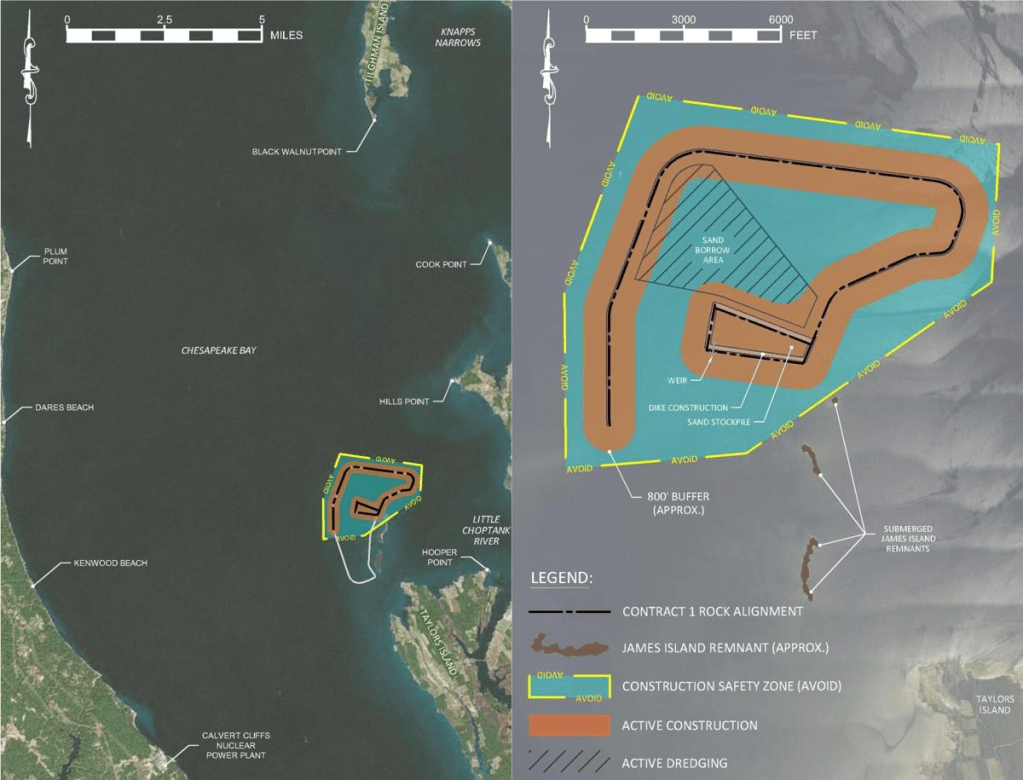
There is hope for the Chesapeake Bay after all. Taking a look at recent news, James island located in the Chesapeake Bay, is being restored with a $53.8 million contract to C&C from the U.S. Army Corps of Engineers joint ventures to help the mid Chesapeake Bay with restoration endeavors.
This is only the first phase of restoration with a focus on repairing the island by use of construction. For example, the funds allocated are going to be used for crews, hydrographic surveys, construction of a perimeter dike, dredging operations, and sand storage for future construction projects for the island.
Frank Pera, the Baltimore District Commander Col described this as a “win-win” situation for both commerce and the restoration endeavor itself. This is a great step forward not only for the bay’s health, as it’s an active goal set and moving towards, but it’s also creating jobs and will better help support the economy of the Bay Area.
More steps towards restoration through improved agricultural management have emerged in talks with Pennsylvania. The shift is towards regenerative agricultural practices, including converting row crops to pasture, improving livestock grazing, and planting riverbank-safe trees. This is all coming from the National Fish and Wildlife Foundation Grant.
Restoration and better management practices will help keep the bay moving toward a healthier future.
The consumption of Fast Fashion is known to be one of the biggest contributors to climate change. Many environmentally conscious consumers have been watching to switch to more sustainable brands. H&M, one of the main culprits, seemed to turn a new leaf and created a more sustainable collection. It was called the “Conscious Choice,” and the company claimed each product “contains at least 50% more sustainable materials, such as organic cotton or recycled polyester”. This collection was marked up more than H&M’s usual fare, and it was made to be more ‘eco-friendly’. Seeing a major fast fashion brand appear to make its first step to reduce its climate impact gave many a sense of hope. Unfortunately, this was just another case of corporate greenwashing and consumer deception.
The Quartz Investigation
Someone smelled something fishy about this collection. A news company, Quartz, completed an investigation in June 2022 and found that many lies were told. There is a way to weigh how sustainable fashion brands are. It is called the Higg Materials Sustainability Index, the Higg Index for short. They look into the environmental impact of clothing materials. H&M had an environmental scorecard based on the Higg Index, and Quartz found that they were lying about their scores. Their website would ‘hard-code’ the environmental scores on the website, based on the Higg Index, in the collection, so it would be positive. Negative scores were shown as positive on the website. This happened with over 100 of the 600 scores on the H&M women’s clothing UK website. After Quartz reached out, H&M, caught red-handed, removed all the scorecards from their website.
The Lawsuit
After hearing about this blatant case of greenwashing, an enterprising marketing student at SUNY New Paltz filed a class action against H&M in the New York federal court. The complaint, by Chelsea Commodore, brought up that the marketing was intentionally deceptive to consumers regarding how environmentally friendly it was. In fact, some of the pieces in the “Conscious Choice” collection contained up to 100% polyester. There was a 3 million dollar settlement. It was truly astonishing how much they lied; the EU found that 96% of HM’s sustainability claims could not be verified.
The Bigger Picture
By now, it must be clear that companies will stop at nothing to attract more customers. By hook, by crook, or by messing with their website, the money must flow. Greenwashing is everywhere you can look, and we must be constantly vigilant against it. Quartz did the right thing by digging into H&M’s claims, and other news outlets will have to step up to the plate as well. These companies will learn.
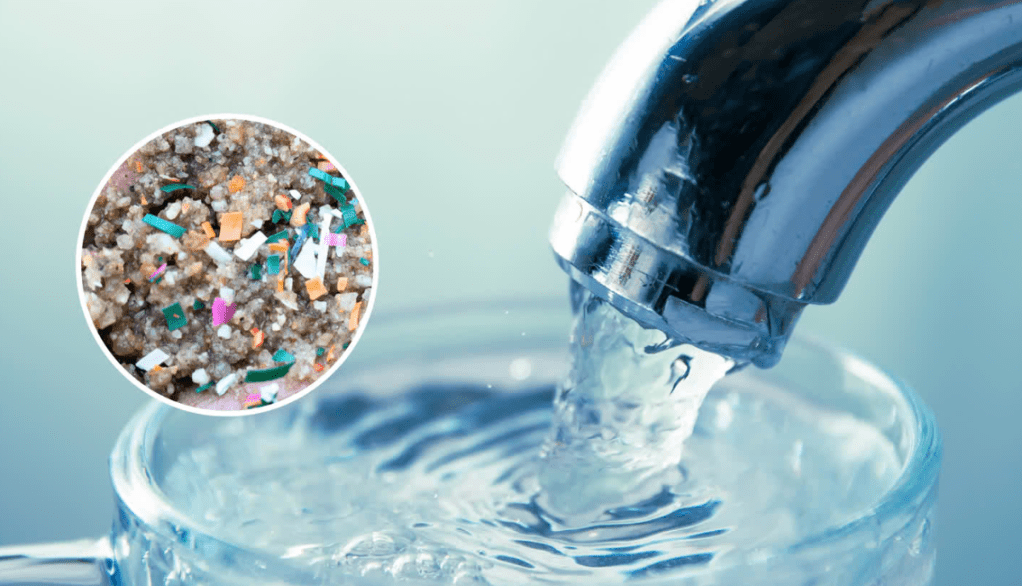
What are the extents of Microplastics and their harm to human health? During recent years there has been more studies of microplastics and their impacts. According to the article US Agencies To Monitor Drinking Water For Microplastics, Pharmaceuticals, these studies have linked microplastics to cancers and reproductive harm. On April 2 the United States government announced plans to track and study microplastics in the water that Americans drink. Although these plans may seem effective, they fall short in the action that needs to be taken now to protect human health. The administrator of the EPA and the U.S secretary of Health and Human Services also announced that microplastics will be considered a priority on the contaminant group. According to an article named New U.S Government Plan For Microplastics Fall Short Of Protecting Human Health The United States Human and Health Services will also launch a $144 million project, with the goal to study the impacts of microplastic on human health. Although microplastics were added to the “Contaminant candidate list” it does not guarantee regulatory action.
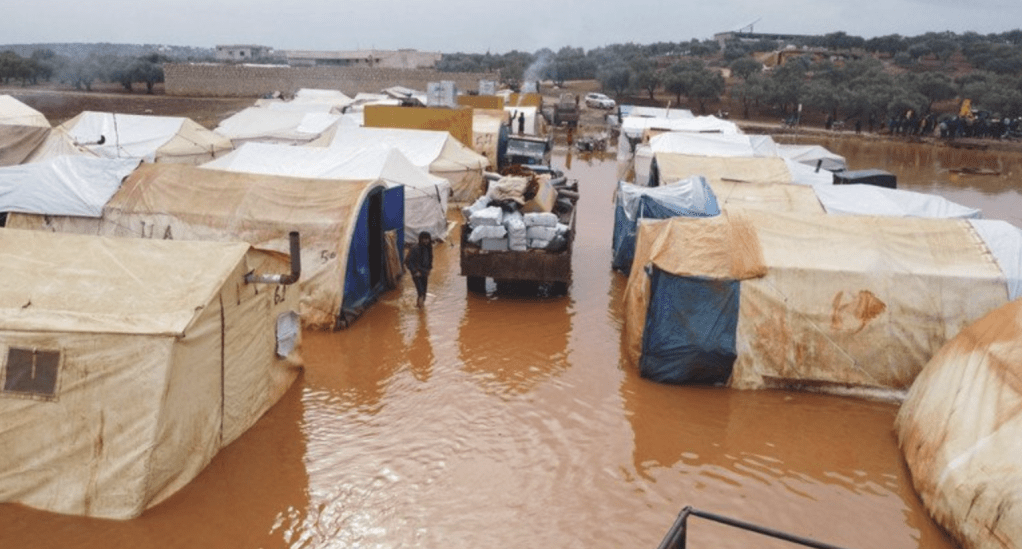
A refugee camp in Syria impacted by extreme flooding. Credits: UNOCHA
About a quarter of the worlds refugee population lives in camps. These refugees have already fled unsafe and unstable situations such as civil or regional war, natural disasters, or religious, ethnic, or racial prosecution in their home countries. However, by 2050, the UN predicts that most of the camps will be uninhabitable due to climate change-induced conditions.
Double displacement is when an individual is first displaced by an initial event and becomes a refugee, migrant, or internally displaced person (IDP). If a climate or environmental disaster impacts the refugee camp, the individual becomes displaced a second time. The most prominent example of this occurred during the 2023 earthquake along the Turkey-Syria border. Hundreds of thousands of Syrian refugees in Turkey were displaced for a second time as a result of the earthquake, making it twice as hard to find a long term resettlement.
However, this is happening all around the world. In Bangladesh, refugee camps are flooding. In Jordan, the camps are vulnerable to desertification. It is imperative we design a better climate refugee framework to accommodate for doubly displaced refugees.
If Pay-As-You-Throw pricing systems reduce landfill waste and increase recycling rates, should Prince George’s County adopt them?
Across the United States, Pay-As-You-Throw pricing systems (PAYT) have consistently changed how communities manage waste. By charging residents based on how much trash they throw away, these systems create a financial incentive to reduce waste. Research shows that PAYT programs can reduce landfill waste by as much as 17–44% while significantly increasing recycling participation .
This presents a clear opportunity for Prince George’s County, which still relies on a traditional flat fee system. Landfills are a major source of methane emissions. Reducing the amount of waste sent to landfills can directly improve both environmental and public health outcomes. PAYT offers a policy tool that targets behavior at the household level, making waste reduction both measurable and economically driven.
But adoption is not just about whether the policy works — it’s about whether it works well in this specific community.
As discussed in previous posts, PAYT systems can come with consequences. Without proper design, they can place a heavier burden on lower-income households or lead to small increases in illegal dumping. These risks do not outweigh the environmental benefits, but they do shape how the policy should be implemented.
That means the real question for Prince George’s County is not a simple yes or no.
It’s how.
A successful PAYT system would need to include accessible recycling services, clear public communication, and program adjustments that account for differences in income and access. Other communities have shown that when these elements are in place, PAYT systems can reduce waste while maintaining fairness.
Waste policy often feels invisible, but it shapes everyday behavior in powerful ways.
For Prince George’s County, adopting Pay-As-You-Throw pricing systems would represent a shift toward a more sustainable and accountable waste system — if it is designed with both environmental outcomes and community equity in mind.
The numbers don’t lie, and right now, they’re telling a story our government seems determined to ignore.
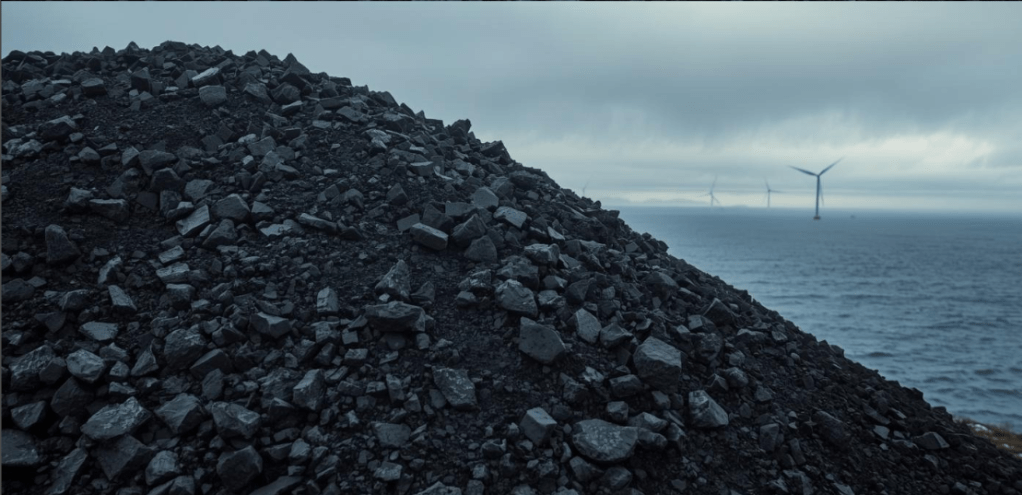
In 2024, solar power was on average 41% cheaper than the lowest-cost fossil fuel alternatives, while onshore wind projects were 53% cheaper. Altogether, 91% of new renewable energy projects commissioned last year were more cost-effective than any new fossil fuel alternative. IRENA So when the government redirects public funding away from offshore wind farms and back toward oil and gas, it isn’t a choice focused on minimizing spending, it’s the opposite.
This Is Simply Bad Economics
Renewables avoided $467 billion in fossil fuel costs globally in 2024 alone, nearly half a trillion dollars redirected away from volatile global fuel markets and toward energy independence. Energy Connects Offshore wind, once dismissed as expensive, is now part of this revolution. Pulling the plug on it doesn’t save money. It locks taxpayers into a more expensive, more volatile energy system for decades.
Oil and gas prices swing with geopolitics, war, and market speculation. Wind and sun do not. Every dollar funneled back into fossil fuel infrastructure is a dollar anchoring us to price instability, paid by households at the pump and on their energy bills.
The Health Cost Nobody Talks About
Burning coal, oil, and natural gas releases tiny particles and toxic gases that make people sick. Air pollution from fossil fuels causes an estimated 5 million deaths worldwide per year. thecurrentga Natural gas has even been linked to childhood asthma, with one study attributing nearly 13% of U.S. childhood asthma cases to gas stove combustion alone. Redirecting funds toward fossil fuels isn’t just an economic mistake, it’s a public health one.
The “It’s Complicated” Defense Doesn’t Hold Up
Supporters of the funding shift argue that renewables face permitting delays, grid challenges, and financing hurdles. That’s true. Major energy projects in the U.S. take an average of 4.5 years to permit, and new transmission lines can take a decade or longer. thecurrentga But the answer to bureaucratic bottlenecks is reform, not retreat. Redirecting funding to oil and gas doesn’t fix the permitting problem; it simply rewards the industry that already has the infrastructure in place.
We’re not choosing between a perfect system and an imperfect one. We’re choosing between the future and the past. The data is clear. The direction should be too.
One of the forms of pollution that the Chesapeake Bay is experiencing is air pollution, at 21%, the pollution is coming from vehicles, power plants, agricultural emissions, and air to tidal water. Present day, with the current Trump presidential administration, our concerns are shifted towards the evivormental roll backs. With the repeals rescinded, all greenhouse gas emissions standards that applied to highway vehicles and engines are rescinded. Several scientific and environmental groups had taken the matter to court in hopes of overturning the decision. These same groups argue that the repeal will drastically harm certain parts of the country more than others because of the risk of the eastern cities being more susceptible to air pollution based illmness at a disproportionately higher rate. At the same time envioerentalists are concerned with the bay’s cleanup as the rollbacks in fact reverse progress. The reason why so many climate change activates can agree with these environmentalists is that the bay’s health and climate change are interconnected. As the atmosphere heats up, more moisture is trapped inside, and as a result, heavier rainfall ensues, with the increased rate of heavy rain,n more sediment is washed from the roads and farms into the bay or rivers that feed into the bay. A side effect of these warming waters, as a result of this runoff, is ecological dead zones. The head of Maryland’s Department of thEnvironment’sts Air program said that with the most up-to-date scientific data, it’s carbon emissions that are the largest contributor to air pollution. In Maryland, 35% of greenhouse emissions are caused by transportation. Having our bay polluted by air pollution that can be managed with proper environmental policies that were in place and removed can be incredibly frustrating. There is still hope, however,r for our bay as described it is merely a setback. .
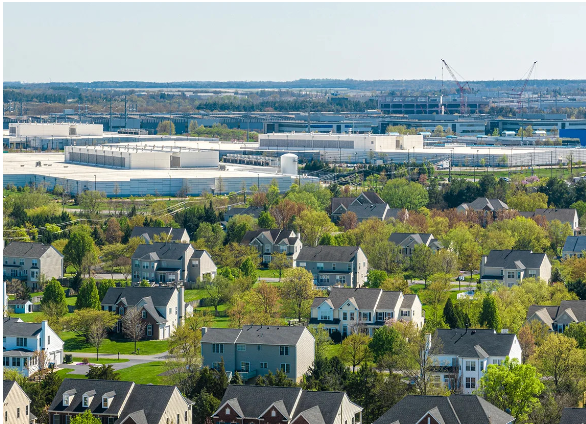
As AI data centers and noise pollution expand together, Northern Virginia has become a national case study for both promise and burden. In Loudoun County, “Data Center Alley” now hosts hundreds of facilities that move a large share of the world’s internet traffic, a buildout that began years ago and accelerated with the growth of AI. The result is unprecedented tax revenue and an economy reshaped by server farms that rarely sleep. It is also a new kind of neighborhood soundscape, a continuous mechanical hum that residents describe as inescapable.
The civic story reads as triumph and tradeoff at once. Governing reports that Northern Virginia leads the world in data center concentration and that local governments have relied on the industry’s tax base to fund services while keeping residential taxes lower. Yet the same article acknowledges the strain that this buildout places on land use, power infrastructure, and community life, especially as facilities multiply near homes and schools. The Oxford American adds a ground level view from Loudoun County, where dairy farms gave way to windowless bunkers, transmission lines, and round‑the‑clock operations. The piece captures what residents feel when a landscape changes faster than the rules that govern it, and when benefits and harms do not fall evenly.
What sounds like progress in economic development can sound very different from a bedroom at 2 a.m. The Environmental and Energy Study Institute explains why. Data centers emit persistent noise from cooling systems, backup generators, and large fans. Many local ordinances were written for bar patios and block parties, not for industrial‑scale facilities that operate continuously. Without clear measurement standards for low frequency and tonal noise, complaints often go unresolved. The result is frustration, sleep disruption, and declining property values near certain sites. EESI notes that better acoustic design, clearer standards, and siting choices can reduce conflict, but those protections must be embedded upstream in the approval process rather than improvised after a facility goes live.
There is a way to read Data Center Alley that honors both the data and the people. These buildings keep hospitals online, connect classrooms, and power the AI tools we increasingly use. They also create environmental conditions that demand policy maturity. Responsible growth requires accurate noise modeling, enforceable limits that account for character and frequency rather than volume alone, and setbacks that keep continuous industrial sound away from homes. In short, we should not have to choose between digital progress and a good night’s sleep
When people, and scientists research plastic pollution, and the overall impacts that microplastics have on the environment. An important impact that is often overlooked is its impact on the surrounding environments such as forests. In a recent article named How Microplastics Are Changing Forests, by PlasticPollutionCoalition, they introduce a study that was conducted on lakes in New York Adirondack Mountains, which is one of the mountains that higher foot traffic, in the study they found that the level of microplastic was 23 times more higher than those lakes that were located in more remote areas. In forests plastic can accumulate in soils, insects, nutrient cycling, plant growth and survival, and water availability, and quality. When plastic pollution exists in forests it threatens air quality, animals, plants, soils, and water. In another study that was conducted it was found that about 80% of amphibians that were studied had microplastics in their bodies. In a different study it was found that microplastics exist in wood frogs leg muscles, gastrointestinal tracts, and skin, which can ultimately affect their growth. In another article named Microplastics Are Falling From The Sky and Polluting Forests by ScienceDaily, it is stated that microplastics end up in forests through air and gradually build up in the soils of the forest. In research conducted it is found that microplastics first land in the leaves of the upper canopy. When leaves fall to the floor of the forest, and the natural process takes over, and when leaves begin to break down, this plays a key role in trapping microplastics in the soil.
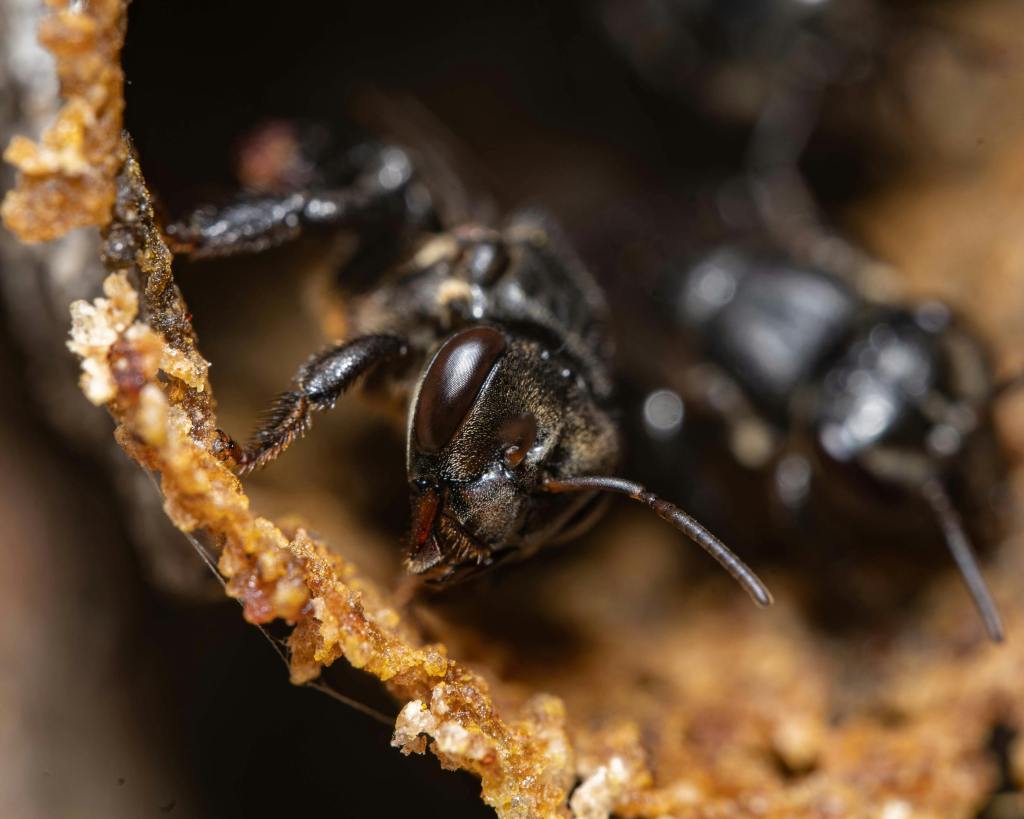
Have you ever heard of a stingless bee? Well, even if you have or haven’t heard of these small insects in the heart of Peruvian ecosystems. They have recently gone on to win rights in the battle against industrial expansions. Their victory has sparked hope in the continuous fight against government-backed expansion into protected ecosystems. Now, whether these protections will be heavily respected by the local business-minded politicians and other parties is up for debate. Yet, let us focus deeper into how exactly this battle succeeded and how it shows support for protecting our Latin American ecosystems. Which are constantly under threat by those who promise to protect them in their legislation.
The Melipona eburnea, one of the bee species to receive the protections recently granted by the collaboration of protective agencies. It was previously highly vulnerable to the constant use of pesticides, expanded deforestation, invasive species, and habitat loss. According to Earth Law Center, one of the collaborators in this fight for the insect to be recognized and protected. The bees’ decline led to a slowed Amazon plant regeneration, weakened food security, and, culturally, the decline of Ashaninka traditional knowledge. Yes, the bees are not only environmentally important, but they are indeed culturally significant to the communities they surround. The stingless bees contribute directly to these communities as they are spiritually connected to the traditions. The Ashanika is a local community rooted in the areas of Peru’s central rainforested areas. Within their own communties the, organizations such as the Ashaninka Communal Reserve and EcoAshaninka were formed. These organizations combine the indigenous values of the bees alongside scientific advocacy for them. This relationship only sharpens the core mission, which they pushed for in the province of Satipo in Peru. This directly benefits them in recognizing the insect as an issue of the community and their need for legislation.
Parties affiliated with the collaboration: Earth Law Center, Amazon Research International, EcoAshaninka, Ashaninka Communal Reserve, Bee: wild, Municipal Council of Satipo,
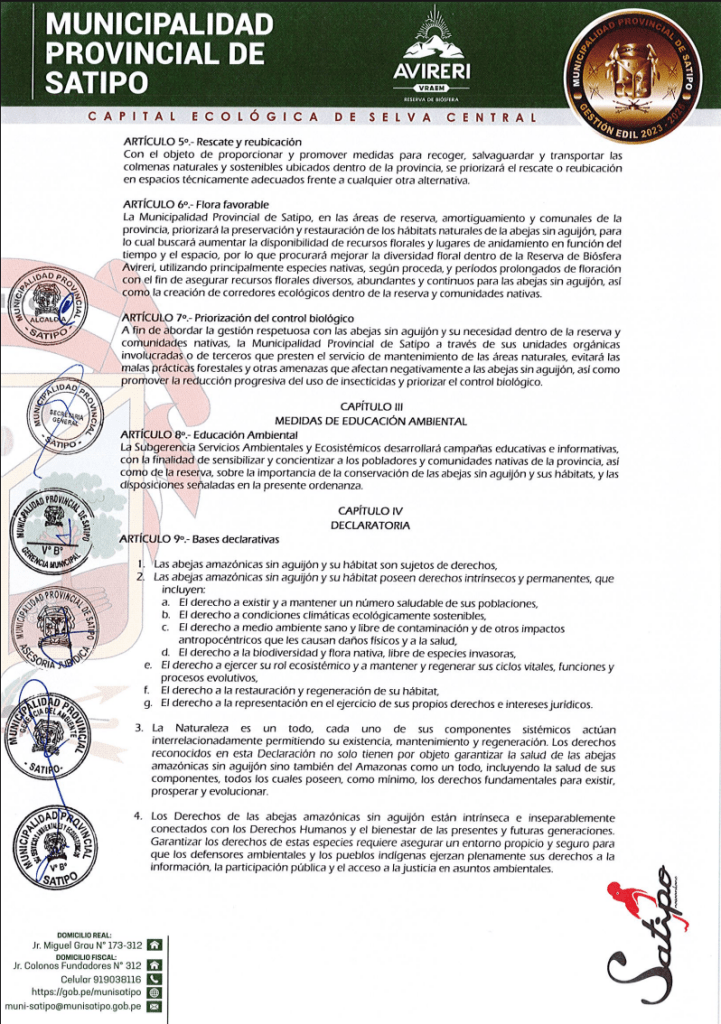
The ordinance created, which grants these insects their rights and recognition by the local government. To begin, Is historic as it recognizes them and their ecosystems as a body. The ordinance does not recognize them as a resource to be managed. According to Municipalidad Provincial de Peru, under the ordinance, the bees are entitled to: their existence and expansion, the right to maintain healthy populations, the right to a habitat free from pollution, the right to ecologically stable climate conditions, the right to regenerate their natural cycles, and the right to be legally represented in cases of threat or harm.
HIstorically the ordinance records as the first victory in government granting rights to an insect. It also highlights the contributed work from the organizations involved, which researched not only the scientific but also the cultural importance of these insects. According to Ethnobiology and Conservation, the areas in which these bees reside are under constant attack by deforestation, agricultural pesticides, invasive pests, and a changing climate. This was already established from other similar research, but very importantly, it recognizes the community’s bee practices are sustainable and deserve to be protected.
Credit: Earth Law Center, Municipalidad Provincial De Satipo
Light matters so much in our lives that it almost seems impossible to imagine a world without it. However, reducing light pollution doesn’t mean living in darkness. There are ways for us to reduce the effects of light pollution in our homes without shutting everything off.
The first method is to look at the bulbs. Most Americans already use LED bulbs, which are significantly better than Incandescent bulbs due to their long-lasting performance and lower energy consumption. There is debate about the cons of LED and whether high-pressure sodium (HPS) bulbs are better for outside lighting. But the truth is, all bulbs cause some sort of pollution, and research is still far from being done in finding the best solution.
Motion sensor lights are also important to consider. Lights that are on throughout the night waste a lot of energy. Rather, using solar and motion sensors that turn on only when the sun is down, and people are near the area, is good for reducing light pollution outside and saves money on the electric bill. I am a victim of forgetting to turn off a porch light overnight and feeling regret in the morning.
For people who live in cities, decentering light is a much more daunting task. Often, the culture of big cities includes bright lights and staying up late. It’s important to remember that light pollution is not your fault. While individual actions matter, so does the collective. In my next blog post, I’ll talk about ways policymakers can aid light pollution. However, the best way to tackle light pollution is to take it one step at a time. Implementing small changes in your lifestyle can go a long way.
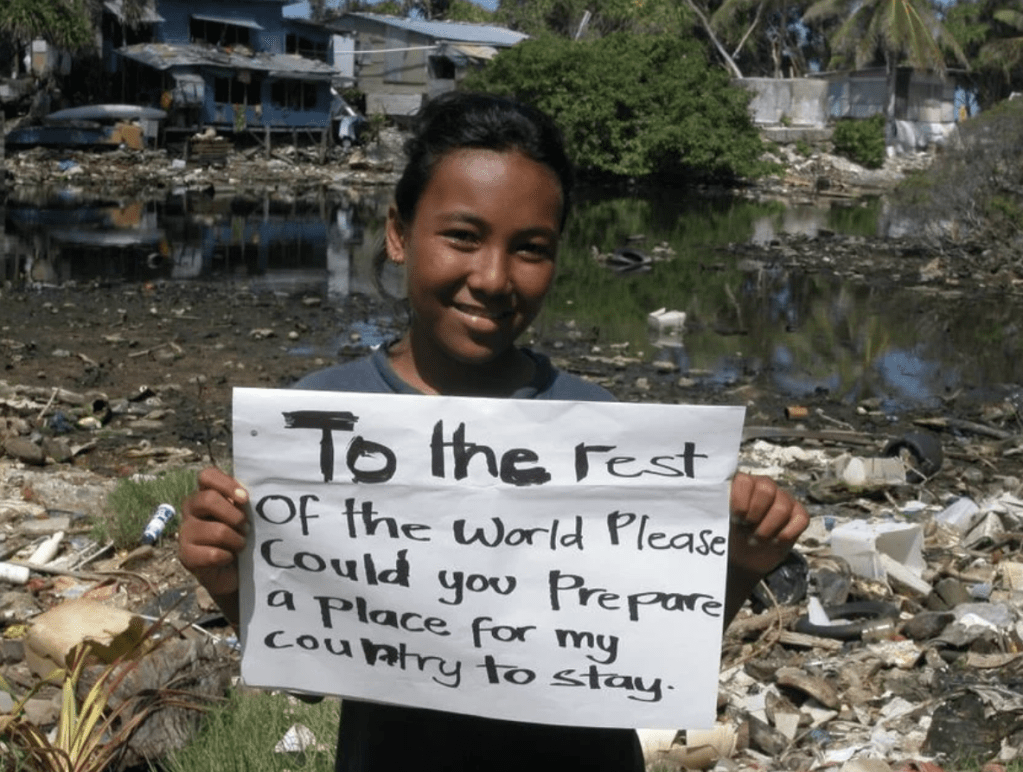
A young Tuvaluan with a sign for the world. Credits: Education for Sustainability
susanejosephson
Tuvalu, a small island nation of 11,000 people in the Pacific, will need to be evacuated due to sea level rise. Climate change is creating new legal challenges for the international order, and Tuvalu will be a case study for a post-climate refugee world.
In 2023, Tuvalu signed the Falepili Union treaty with Australia to ensure around 300 of its citizens could migrate each year. Tuvaluans will apply for a Climate Visa and be selected to move. Despite Tuvalu losing most of its physical territory, the state has argued it should maintain its sovereignty, including their vote within the UN system and their exclusive economic zone of fishing rights. Tuvalus government is also trying to ensure that cultural and social ties are retained between Tuvaluan migrants and Tuvaluans still in their homeland.
If Pay-As-You-Throw pricing systems work so well, why hasn’t every community adopted them?
Across the United States, Pay-As-You-Throw pricing systems (PAYT) have been shown to reduce landfill waste and increase recycling rates. By charging residents based on how much trash they throw away, these systems create a clear financial incentive to waste less. Despite these environmental benefits, PAYT policies are controversial due to a few social and economic reasons.
One of the most common concerns is illegal dumping. Critics argue that when residents are charged for trash, some try to avoid fees by dumping waste in public spaces or using someone else’s bin. While research suggests this does happen, the scale is often smaller than expected. Studies estimate that illegal dumping accounts for only about 3–6% of waste changes, while overall landfill waste still decreases significantly . Overall, illegal dumping occurs, but it does not outweigh the broader environmental benefits.
A more complex issue is equity.
Because PAYT systems charge households per unit of waste, they can place a heavier burden on lower-income residents. Not all households have the same ability to reduce waste. Families with limited access to recycling services, larger purchasing options, or composting programs may end up paying more simply because they have fewer options.
This raises an important question: is PAYT fair?
Some communities have addressed this by redesigning their programs. According to the U.S. Environmental Protection Agency’s Pay-As-You-Throw overview, cities can reduce inequities by offering discounted trash bags to low-income households, expanding access to recycling, and increasing public education about waste reduction. These adjustments allow PAYT systems to maintain their environmental benefits while minimizing financial strain.
For Prince George’s County, this distinction matters. Any shift away from a flat fee system would need to consider not only how much waste is reduced, but also who bears the cost of that change. A policy that reduces landfill use but disproportionately impacts vulnerable communities risks creating new problems while solving another.
The challenge is not whether PAYT works. It’s whether it can work equitably.
Corporate greenwashing and exposing frequent consumer deceptions are very large issues, and this blog first broached this topic this week. There are many well-known examples; however, for this week’s blog post, we will look at Shell and BP.
The Promise
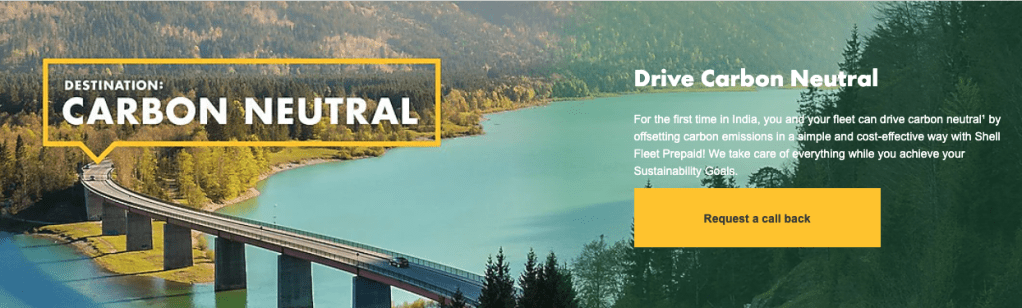
In Canada, Shell claimed their company could be “carbon neutral” by offsetting Shell’s fuel emissions through forest-based carbon credits. Shell had a program called the Drive Carbon Neutral program that launched in November 2020. With a simple 2-cent per liter surcharge on gas purchases, Shell claimed the fuel purchase was now “carbon neutral”. To the average consumer, this seemed like a beneficial way to vote with their dollar to offset their contribution to the planet’s warming. Unfortunately, that was a complete lie.
There was an investigation into the matter by Canada’s Competition Bureau. Only after Shell removed all information about the program from its website was it closed.
BP’s Case
Shell wasn’t the only company to have this bright idea. BP had to stop advertising its engine oil and lubricants as “climate neutral” since a German court found that the company’s carbon offset purchase from a forest protection project in Zambia wasn’t enough to claim that its products were carbon neutral in September 2024.
Why You Should Care
This isn’t rocket science; these companies bought credits and pretended that means they can claim their products were “carbon neutral”. It’s hard for the average consumer to believe that a big company would blatantly lie about something that is verifiable. And the companies know that, that’s why they greenwash.
During recent studies it has been determined that a small crab named the fiddler crab that is between 1 inch and 2 inches in size, can tell us a lot more about microplastic degradation in the wild. According to the article What The Fiddler Crab Can Teach Us About Ocean Plastics by author John Spevacek, during a study of fiddler crabs they found that in the liver, pancreas/liver, and hindgut, they had microspheres. Microspheres are a primary form of microplastics that are often found in personal care items, personalized industrial applications, and scientific research. These particles are known for causing intestinal damage, and development issues in aquatic life. After their experiment they found that when crabs eat the microspheres, they degrade plastics both chemically and mechanically. This similar behavior can be found in other species such as krill and lobsters. In another article named Nature’s Answer On Microplastics published by Plastic Soup, they explain that during an experiment they found that microplastics accumulated in the fiddler’s crab body, with a concentration that was about 13 times higher than the sediments in the surrounding area. The particles in the crab were most commonly found in the hindgut of the crab. They also explain that the process in which crabs degrade plastic is much faster than the natural decomposition process. Although this may give people a bit more of hope, it also poses bigger risks for the future, such as these plastics being broken down in the nanoplastics that can be more easily passed through the food chain.
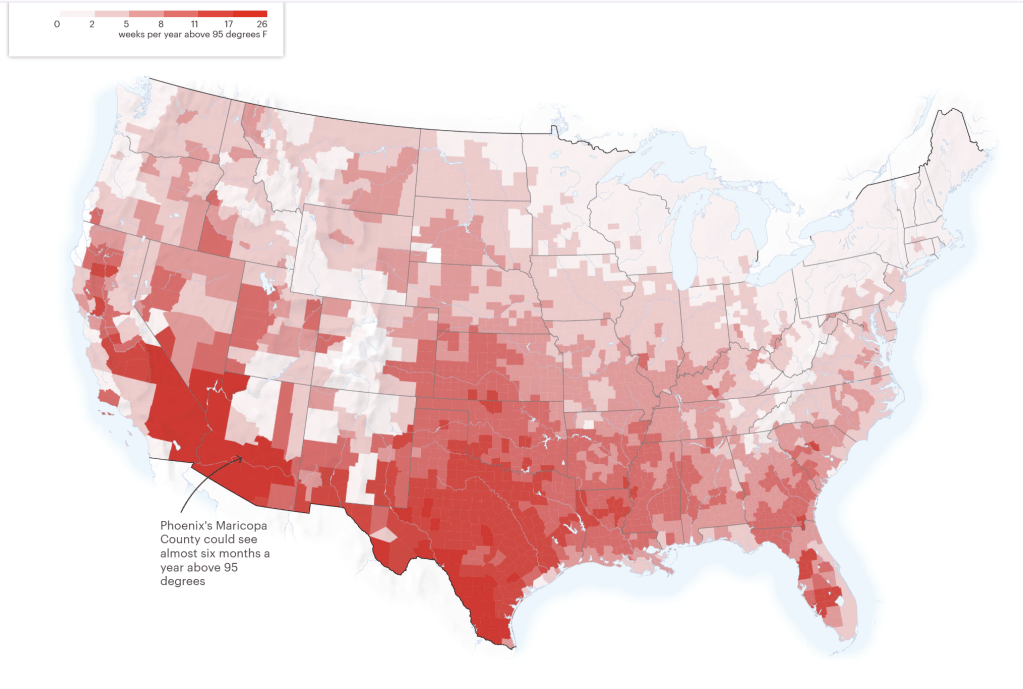
The darker the red, the more weeks per year a county will have above 95 degree weather. Creds: ProPublica
Climate change will impact us all, but where we live in the country radically changes how it will. According to ProPublica, “162 million people — nearly 1 in 2 — will most likely experience a decline in the quality of their environment”.
The most widespread effect will be rising temperatures. This can cause higher rates of heat-related illnesses, exacerbate urban heat islands, and make the temperature unlivable (literally!). The wet bulb test is used to determine the maximum temperature and humidity the human body can survive in. Past that, there is so much humidity in the air, the body cannot sweat enough to get rid of the heat.
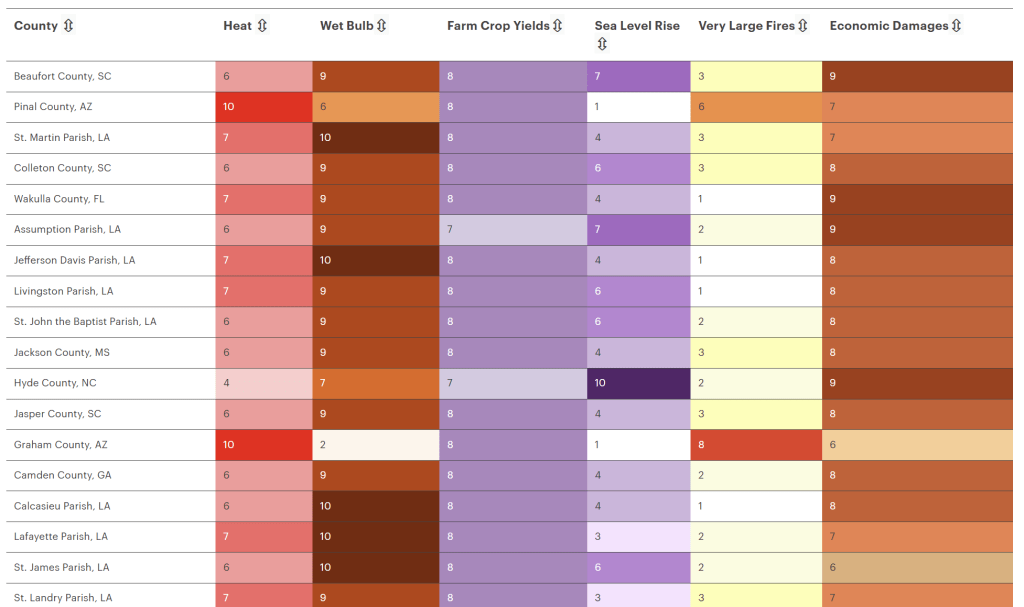
The Western US will see mass wildfires as both coasts will be hit with sea level rise. Several of America’s largest cities are on the coast, and this is the largest block of climate migrants. In the Northern Midwest, farmers will be able to grow crops for longer into the season as there is a shorter winter season. In the South, farmers might see yields drop by as much as 90% as the temperature causes crops to fail.
The map below depicts the counties most vulnerable to climate change by predicting their vulnerabilities to different factors.
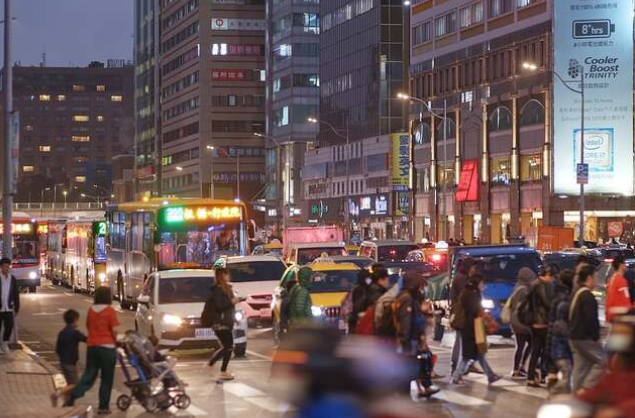
In a world where urban noise and quietcations now collide, two recent stories reveal a growing tension between everyday soundscapes and the human need for rest. In Seattle, demand for what are now called “quietcations” is surging as residents search for any escape from overstimulation. The city ranks fifth among all U.S. metros seeking peaceful getaways, according to new reporting by Seattle Red. Researchers analyzed more than 200 search terms related to peaceful travel and found that Seattle locals are increasingly craving quiet breaks from stress, noise, and crowded streets.
At the same time, new health research shows that noise pollution is not just an annoyance. It produces measurable harm. A recent U.S. News report describes a study in the journal Cardiovascular Research showing that even one night of typical road traffic noise can impair blood vessel function, raise heart rate, increase inflammation markers, and disrupt sleep quality. The findings confirm that even while we sleep our bodies are still listening.
Together, these stories illustrate why silence itself has become an environmental need. As cities grow denser and background noise becomes harder to escape, Americans are pursuing restorative environments with intention. This includes slow paced travel, minimalist itineraries, and destinations chosen specifically for low noise and light pollution.
The rise of “quietcations” is not simply a wellness trend. It is a response to environmental conditions that increasingly follow us into our bedrooms. When a single night of urban noise can place cardiovascular stress on a healthy adult, the desire for stillness becomes essential rather than indulgent. Seattle residents are not only stressed. They are signaling something larger. The search for quiet has become a form of environmental self-protection.
Representation of movement within an urban environment and how it can correlate to the production of sound.
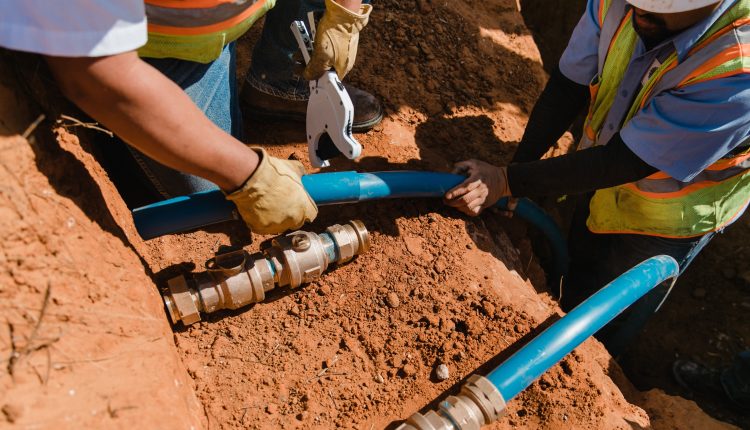
There are various ways throughout the water drinking infrastructure that would cause water to be contaminated. A very common point of contamination is through lead service lines. Approximately 50% to 70% of lead in tap water comes from lead service lines and goosenecks. Other significant sources include lead solder (which is 50% lead by weight), galvanized iron pipes (that are coated with lead), and components made of leaded brass (ex. faucet, valve, etc.). An effective solution to reducing lead contamination would be to replace all lead pipes, which is something that many cities and municipalities are actively working on. These efforts, however, need lots of funding. Roanoke-Chowan News-Herald reports that the North Carolina Department of Environmental Quality would be allocating $472 million for water and wastewater projects within the state. The town of Woodland will be receiving $3 million of those funds for the town’s Wastewater Treatment Plant rehabilitation project. Specifically, it will be replacing pipes and performing other repairs and upgrades to the building. The NCDEQ funds, in general, will be very useful for identifying and replacing any lead pipes.
Brazil is home to one of the biggest contributors to the slow but methodical fight against climate change: the Amazon rainforest. Yet, when the expansion of the agricultural industry is continuously backed by governmental figures. The deforestation of the Amazon rapidly picks up over time, as many of the parties involved find ways to violate or work their way around protective legislation. Even legislation that is entered into between companies and indigenous groups. So, how exactly do the political parties from the Brazilian governments and agribusiness threaten our fight against climate change? Well, according to a recent Eurasia Review article written by Rubens Valente, the continuous pressure to remove the pact known as the moratorium brings the threat of increased Amazon deforestation. The moratorium is the pact that bans supply chains of organizations, public agencies, and NGOs from using any soy produced in deforested Amazon sectors after July 2008. Meaning that this pact is extremely valuable in benefiting the countries’ fight against climate change and the preservation of the Amazon.
Recently, the pressure from the right-wing politicians in the Brazilian government has grown. Now, many of these figures aim to dismantle the moratorium to benefit the expansion and production of agribusiness. According to research conducted by IPAM (Amazon Environmental Research Institute), with the possible loss of the moratorium, Brazil’s Amazon could be victim to a 30% increase in deforestation in comparison to the numbers recorded for 2024. So, with the incoming possible failure of the involved parties being able to respect and enforce a pact that protects ecosystems. Demonstrating the personal benefit given to the political leaders involved in argibusiness, and displaying the blatant forms of ignorance that are found when governments are unable to operate in a non-biased manner. The benefit to the bigger organizations is also dismantling the even playing field that local producers have been able to compete on. While at the very same time, indigenous leaders are worried about the deforestation that is impending on their sacred lands.
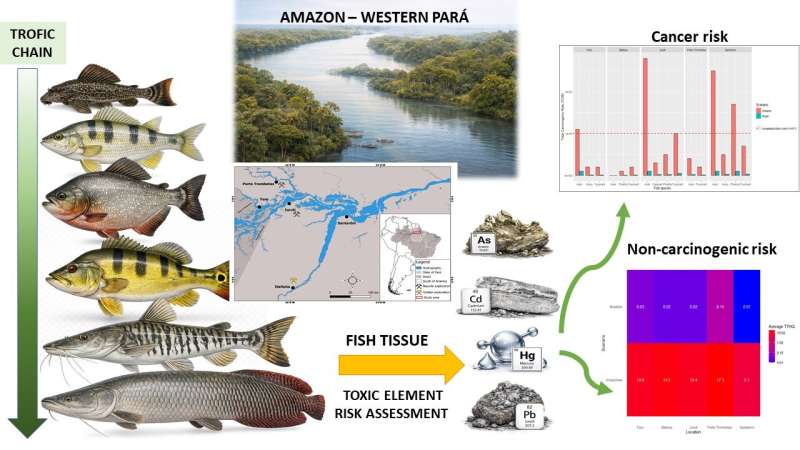
The damage is essentially a domino effect, because when organizations, whether legally or illegally, expand their agricultural industries, pesticides and other harmful chemicals are present. Except, beyond just pesticides, the illegal movements of mining in the protected areas of the Amazon are growing. These chemicals damage the health of natural soils or vegetation in the surrounding areas. But they also pose a risk to the health of animals present in the Amazon ecosystems. In a Phys.org article written by Fabio Edir Amaral Albuquerque and Antonio Humberto Hamad Minervino, the contamination of fish is increasing with metals such as mercury and arsenic. It is reported that the concentration of these chemicals in carnivorous fish exceeds the Brazilian legal limit for consumption. Creating risk in the form of cancer and other forms of sickness.
Overall, the political reluctance to respect and abide by a promising pact (the moratorium) is fueled by personal agendas and benefits. Alongside their inability or unwillingness to relegate illegal industrialization of their protected ecosystems. Will together continue to cause domino effect damages to not only indigenous communities financially, but also physically.
The era of the endangerment finding is over. The established science upheld by the Supreme Court is now relegated to history books as the Trump administration continues to rewrite American environmental policy. Dubbed the “single largest deregulatory action in U.S. history” by officials, the Trump administration argued that the U.S. Environmental Protection Agency (EPA)’s regulation of vehicular greenhouse gas (GHG) emissions has cost Americans trillions of dollars and was illegal.
Scientists have long understood the dangers of global warming – gases like carbon dioxide trap heat from the sun, leading to climate change and precipitating environmental disasters. So, it was natural to prevent and prepare for these changes. This scientific foundation led to the 2007 Massachusetts v. EPA Supreme Court case, which provided a legal bedrock for future EPA emissions regulations. This culminated with the endangerment finding, which gave the EPA power to regulate harmful gases like carbon dioxide due to their significant impacts on human health and wellbeing.
The Trump administration rescinded this finding in part due to affordability concerns, finding that new vehicle purchase costs would drop up to $2,400 absent the finding. However, short-term gains will likely be far outweighed by long-term pain in the form of increasingly strong and frequent climate disasters.
It is also curious that while the EPA has reversed course and “now finds that even if the U.S. were to eliminate all GHG emissions from all vehicles, there would be no material impact on global climate indicators through 2100,” a writer at Yale notes that U.S. transportation emissions already outweigh all Japanese and German emissions combined. Given the clear significance of U.S. transportation emissions, it is imperative that clear action is taken to reduce emissions in a way that is thoughtful, transparent, and practical for all stakeholders.
By abandoning the endangerment finding, the Trump administration has demonstrated that it does not truly want to combat the affordability crisis or climate change. Instead, Trump seeks superficial solutions to systemic issues.
It’s possible that the most endangered of all is the truth.
When people think of plastic pollution, they only think about straws, cups, containers, etc., that stay at the very top of the ocean. But during recent studies, it has been revealed that plastic pollution has ended up in the deepest parts of the ocean. In an article named Ocean floor a ‘reservoir’ for plastic pollution, a world-first study finds that an estimated 11 million tonnes of plastic live at the ocean floor. And that in 2040, the amount of plastic that enters the ocean will double, leading to the amount of plastic at the ocean floor to also increase. A PhD candidate at the University of Toronto has stated that they estimate that the amount of plastic that ends up in the ocean floor will be 100 times more than the plastic that remains floating at the top of the ocean. In another article. Plastic Bag Found At The Bottom Of The World’s Deepest Ocean Trench. A scientist found that plastic, such as a grocery bag, is now in the deepest trench, the Mariana Trench, located in the Pacific Ocean. Scientists discovered the existence of this plastic bag in the Mariana Trench through the Deep-Sea Debris Database. Of the debris that was logged into the database, plastic made up the largest amount. Over the past 30 years, photos and videos have been logged from over 5,010 dives. From these photos, 17 percent of them showed some type of interaction that they have had with marine life; one example was an animal being entangled with plastic.
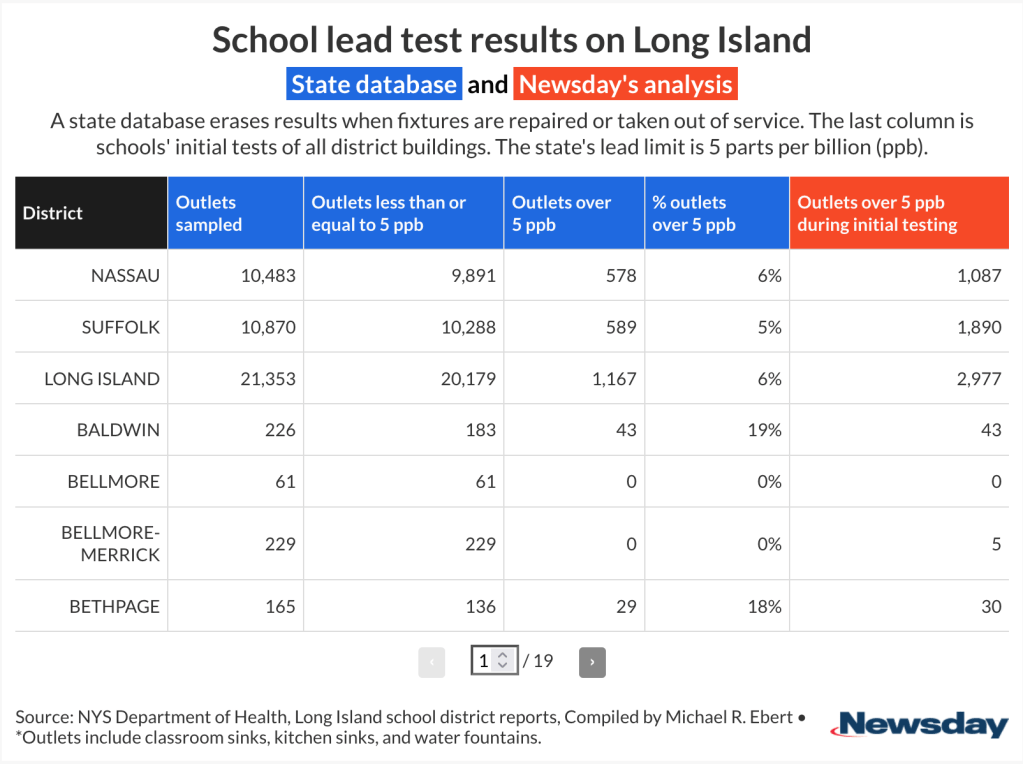
Newsday has found that levels of lead exceed the New York state standard in several of its school districts. Long Island, in particular, had the most fixtures (i.e. water fountains, ice machines, classroom sinks, etc.) exceeding the state’s standard for school drinking water of 5 parts per billion. Medical research shows that there is no safe level of consumption of lead. Newsday reports that the children of these school districts could have been exposed to harmful amounts of lead for several years, which impacts them more than adults since their brains are developing and their bodies naturally absorb more lead. Consumption of lead can cause learning difficulties, behavior changes, and even brain damage. The state has been working for years at reducing the presence of lead; it banned lead plumbing and solder in 1968 and and since 2011, a faucet or fixture is considered “lead free” if it contains less than 0.25% lead, down from the previous limit of 8%.
In Syracuse, the limit of lead used is the federal one of 15 ppb. The most recent levels are 12 ppb, which puts them above the EPA’s new 2027 limit of 10 ppb. The city is actively replacing lead pipes, with this year’s goal of replacing 2,900 of the total 14,000-17,000 lead service lines that it plans on replacing.