Wildfires are unplanned fires that burn in forests, grasslands, and other ecosystems, and they can start with a natural event like a lightning strike or by accident as the result of human activity. Campfires, discarded cigarettes, and electrical equipment like downed power lines all spark wildfires. But climate change, along with poor forest management, can make environments more susceptible to burning. Severe heat and drought, which are worsening due to climate change, can fuel wildfires.
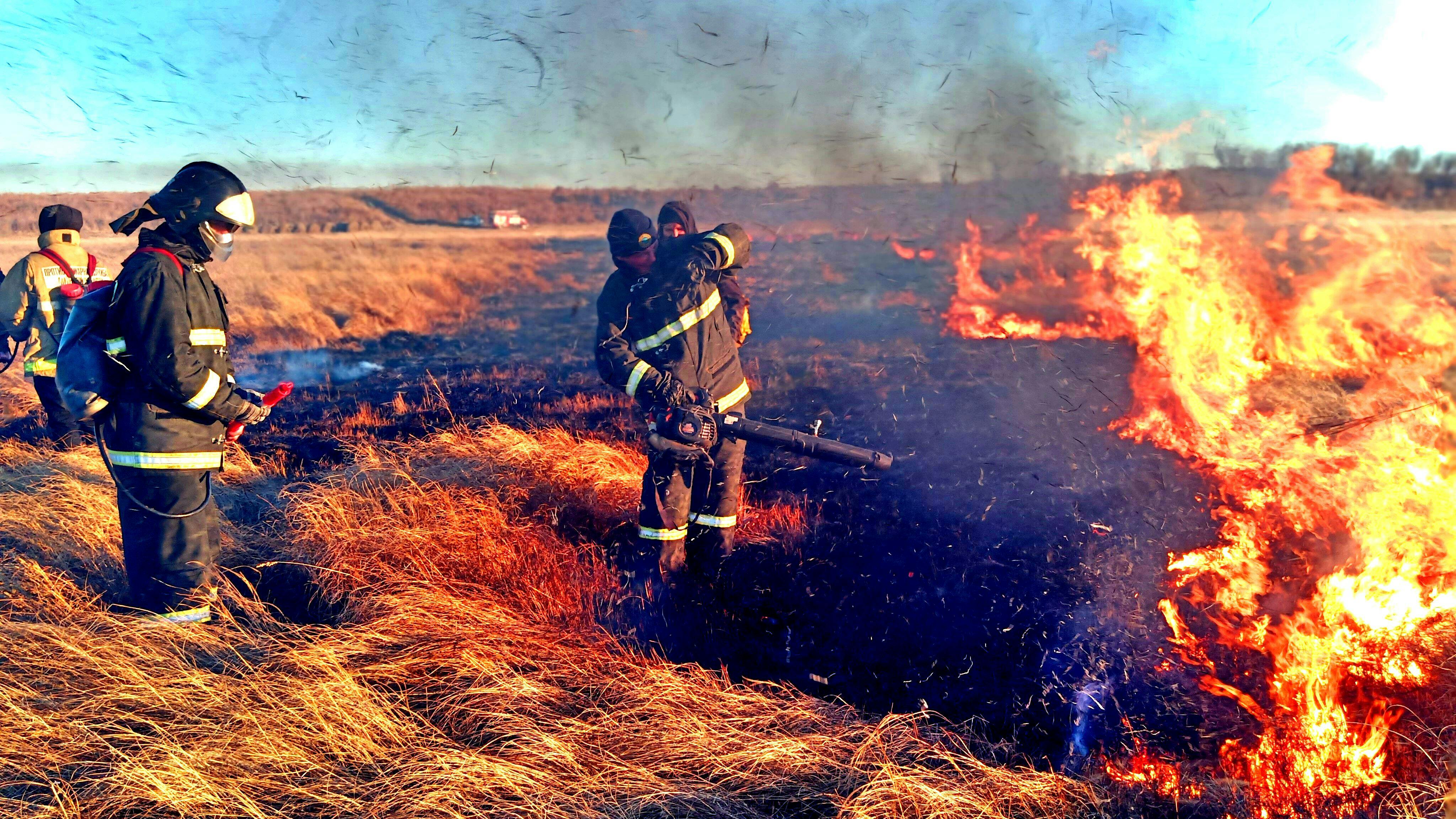
Hotter temperatures evaporate more moisture from soil and vegetation, drying out trees, shrubs and grass and turning leaf litter and fallen branches into kindling.In times of drought, trees that are stressed by a lack of water may also become more vulnerable to insects and diseases that can weaken or kill them, creating more fuel for fires.
Extreme wildfires are devastating communities and ecosystems. We can help reduce risks through better forest management and community planning.
But we humans must work on eliminating the greenhouse gas emissions that are warming our planet. We know how to cut climate pollution to create a safer world for future generations, and the time to act is now.
Keywords:, wildfires and climate change
Website:https://science.nasa.gov/earth/explore/wildfires-and-climate-change/, https://www.c2es.org/content/wildfires-and-climate-change/
By: Mandy McKenzie


Leave a comment