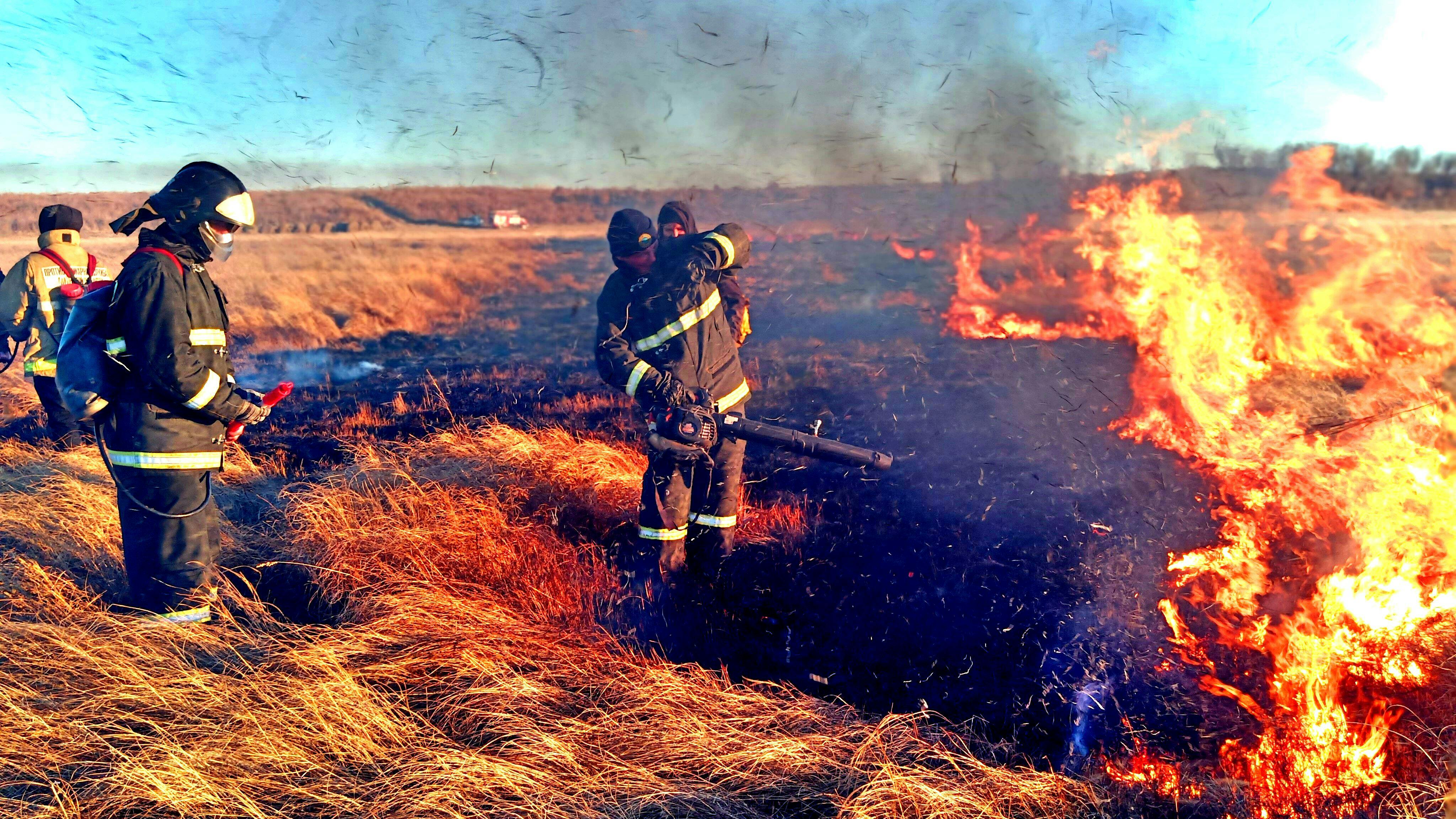
Wildfires are unplanned fires that burn in forests, grasslands, and other ecosystems, and they can start with a natural event like a lightning strike or by accident as the result of human activity. Campfires, discarded cigarettes, and electrical equipment like downed power lines all spark wildfires. But climate change, along with poor forest management, can make environments more susceptible to burning. Severe heat and drought, which are worsening due to climate change, can fuel wildfires.
Hotter temperatures evaporate more moisture from soil and vegetation, drying out trees, shrubs and grass and turning leaf litter and fallen branches into kindling.In times of drought, trees that are stressed by a lack of water may also become more vulnerable to insects and diseases that can weaken or kill them, creating more fuel for fires.
Extreme wildfires are devastating communities and ecosystems. We can help reduce risks through better forest management and community planning.
But we humans must work on eliminating the greenhouse gas emissions that are warming our planet. We know how to cut climate pollution to create a safer world for future generations, and the time to act is now.
The Trump Administration has rolled back environmental protections, which are harmful not only to the fight against climate change but also to the Chesapeake Bay.
The CBF
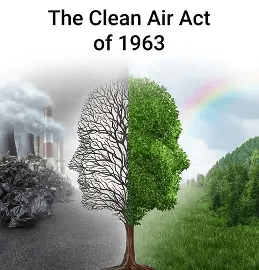
The Chesapeake Bay Foundation, joined by other individual environmentalists, is taking Donald J Trump’s EPA to court over the concerning rollbacks that will do more harm than good. The Clean Air Act, written into law in 1963, had an addition added onto it in 2009 called the Endangerment Finding to help fight climate change, however is getting rolled back which has been described as the “Single largest deregulatory action in U.S. history” and “if ruling is allowed to stand it can abandon the work of climate change at the federal level.”
The Front Line Of Climate Change
The Chesapeake Bay is on the front line of the fight against climate change, as a matter of importance from the CBF, which later described having intense storms and water levels rising, which overwhelm marshes, extreme temperatures hurt people, animals, and plants, warmer waters have less oxygen, and more runoff pollution. CBF has worked tirelessly to help reverse these issues that are now more prevalent in our modern day. The CBF Vice President Allison Hooper Port said, “Climate change is already harming people and the Chesapeake Bay, regardless of the Trump Administration’s ridiculous claims. This latest rollback is a threat to us all.”
Implications
It’s important to know that it’s not just the people who are part of the fight against climate change; it’s the individuals in power as well. The current Trump Administration is enacting these rollbacks for selfish reasons and is not seeing the bigger picture beyond just profits or economic freedom. We must vote, take action, and increase the intensity of these politicians to make them realize not what they can gain from protecting the Chesapeake Bay, but what they can lose if more harm than good is done.
If you have identified that your pipes are made of or contain lead, then this post will help in providing information on what to do next.
Having lead pipes does not automatically mean that they are contaminating the water, though it is certainly possible. Therefore, test the water regularly and consider having them replaced even if the water contains 0 ppb of lead.
Replacements can either be partial or complete. Partial replacements, however, are discouraged since this involves disrupting the water on either side of the pipe, which can cause lead levels to increase. Also, galvanized pipes can become compromised when only partially replaced. Therefore, complete replacement is advised.
Start by contacting the water provider, city, or county regarding replacement programs. In 2024, the EPA passed the Lead and Copper Rule Improvements (LCRI) that states that all lead lead service lines must be replaced within 10 years. Therefore, there is likely funding that is available to replace your lead pipes. However, there could be a considerable wait time. Therefore, contacting a plumber may be necessary if the pipes are found to be exposing lead to the water. The price for this varies depending on the geography, soil conditions, and infrastructure layout, though it is estimated to cost anywhere from $5,000 to $10,000.
The numbers don’t lie, and right now, they’re telling a story our government seems determined to ignore.
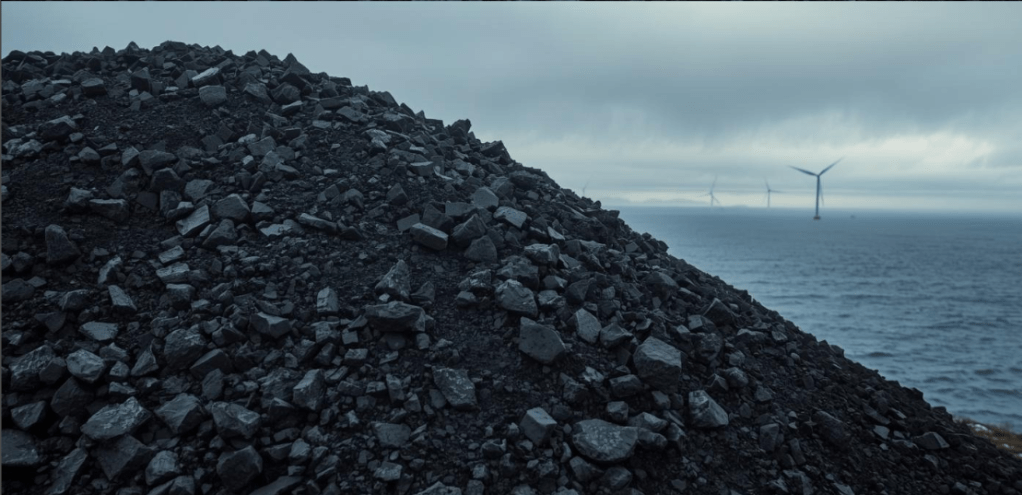
In 2024, solar power was on average 41% cheaper than the lowest-cost fossil fuel alternatives, while onshore wind projects were 53% cheaper. Altogether, 91% of new renewable energy projects commissioned last year were more cost-effective than any new fossil fuel alternative. IRENA So when the government redirects public funding away from offshore wind farms and back toward oil and gas, it isn’t a choice focused on minimizing spending, it’s the opposite.
This Is Simply Bad Economics
Renewables avoided $467 billion in fossil fuel costs globally in 2024 alone, nearly half a trillion dollars redirected away from volatile global fuel markets and toward energy independence. Energy Connects Offshore wind, once dismissed as expensive, is now part of this revolution. Pulling the plug on it doesn’t save money. It locks taxpayers into a more expensive, more volatile energy system for decades.
Oil and gas prices swing with geopolitics, war, and market speculation. Wind and sun do not. Every dollar funneled back into fossil fuel infrastructure is a dollar anchoring us to price instability, paid by households at the pump and on their energy bills.
The Health Cost Nobody Talks About
Burning coal, oil, and natural gas releases tiny particles and toxic gases that make people sick. Air pollution from fossil fuels causes an estimated 5 million deaths worldwide per year. thecurrentga Natural gas has even been linked to childhood asthma, with one study attributing nearly 13% of U.S. childhood asthma cases to gas stove combustion alone. Redirecting funds toward fossil fuels isn’t just an economic mistake, it’s a public health one.
The “It’s Complicated” Defense Doesn’t Hold Up
Supporters of the funding shift argue that renewables face permitting delays, grid challenges, and financing hurdles. That’s true. Major energy projects in the U.S. take an average of 4.5 years to permit, and new transmission lines can take a decade or longer. thecurrentga But the answer to bureaucratic bottlenecks is reform, not retreat. Redirecting funding to oil and gas doesn’t fix the permitting problem; it simply rewards the industry that already has the infrastructure in place.
We’re not choosing between a perfect system and an imperfect one. We’re choosing between the future and the past. The data is clear. The direction should be too.
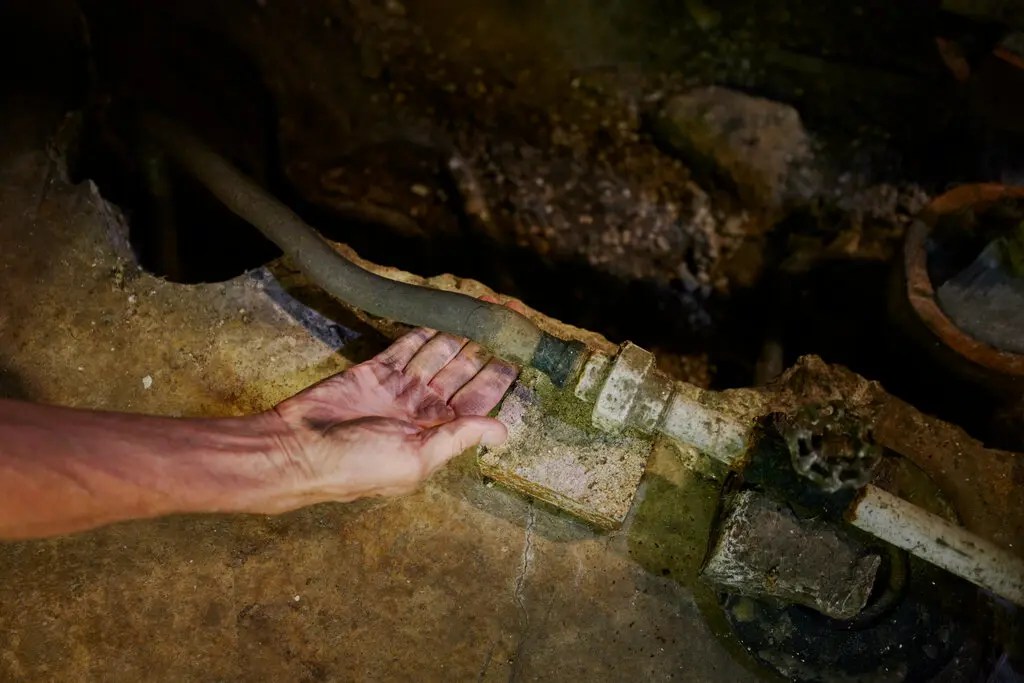
Since there is no safe amount of lead that can be consumed, you might be curious if your drinking water at home has any lead. A first step is identifying if the service line, the pipes from the water main that transport the drinking water to the plumbing, are made of or contain lead.
If you have municipal water: call your water supplier and ask if the service lines contain lead.
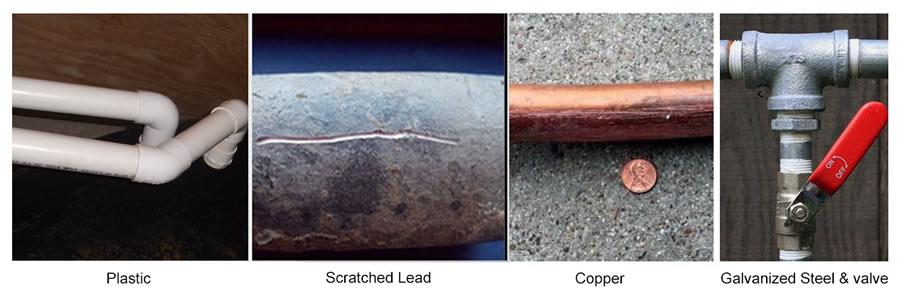
If you have a private well: locate the meter. If the meter is made of metal, scratch the metal and have a magnate handy. If the color of the metal is orange and the magnet does not stick, then it is likely copper, which does not contain metal itself (though it should be noted that the solder of copper pipes before 1986 contained high amounts of lead). If the metal was hard to scratch and the magnet stuck, then it is likely galvanized steel, which can trap lead and also have been lined with lead. If the metal was easy to scratch and the magnet did not stick, then the pipe is likely lead.
Apart from identifying the material of the pipes, you can also have your water tested by a certified lab. Home test kits also exist but they are susceptible to human error. 0 ppb is ideal and results of 1-5 ppb indicate low lead content but should be monitored over time, 6-14 ppb is an elevated amount and warrants having a filter installed, 15+ ppb is high and should have immediate action taken such as the instillation of a filter and contacting a public health official.
Have you ever heard of a stingless bee? Well, even if you have or haven’t heard of these small insects in the heart of Peruvian ecosystems. They have recently gone on to win rights in the battle against industrial expansions. Their victory has sparked hope in the continuous fight against government-backed expansion into protected ecosystems. Now, whether these protections will be heavily respected by the local business-minded politicians and other parties is up for debate. Yet, let us focus deeper into how exactly this battle succeeded and how it shows support for protecting our Latin American ecosystems. Which are constantly under threat by those who promise to protect them in their legislation.
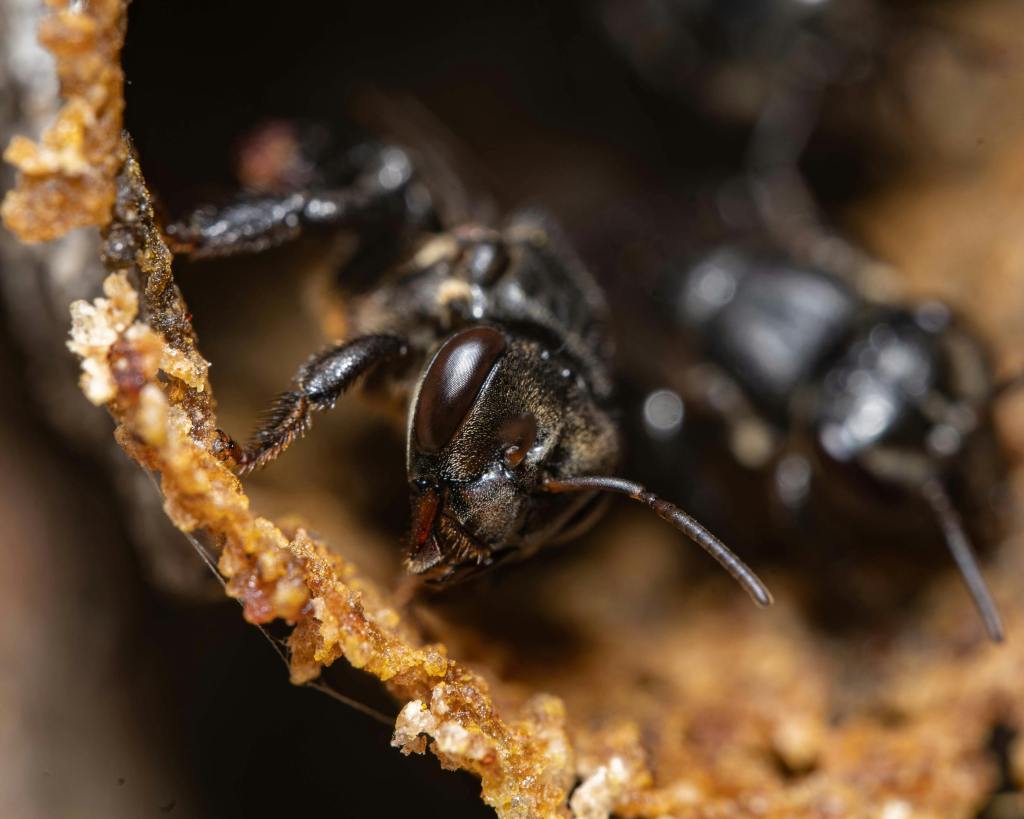
The Melipona eburnea, one of the bee species to receive the protections recently granted by the collaboration of protective agencies. It was previously highly vulnerable to the constant use of pesticides, expanded deforestation, invasive species, and habitat loss. According to Earth Law Center, one of the collaborators in this fight for the insect to be recognized and protected. The bees’ decline led to a slowed Amazon plant regeneration, weakened food security, and, culturally, the decline of Ashaninka traditional knowledge. Yes, the bees are not only environmentally important, but they are indeed culturally significant to the communities they surround. The stingless bees contribute directly to these communities as they are spiritually connected to the traditions. The Ashanika is a local community rooted in the areas of Peru’s central rainforested areas. Within their own communties the, organizations such as the Ashaninka Communal Reserve and EcoAshaninka were formed. These organizations combine the indigenous values of the bees alongside scientific advocacy for them. This relationship only sharpens the core mission, which they pushed for in the province of Satipo in Peru. This directly benefits them in recognizing the insect as an issue of the community and their need for legislation.
Parties affiliated with the collaboration: Earth Law Center, Amazon Research International, EcoAshaninka, Ashaninka Communal Reserve, Bee: wild, Municipal Council of Satipo,
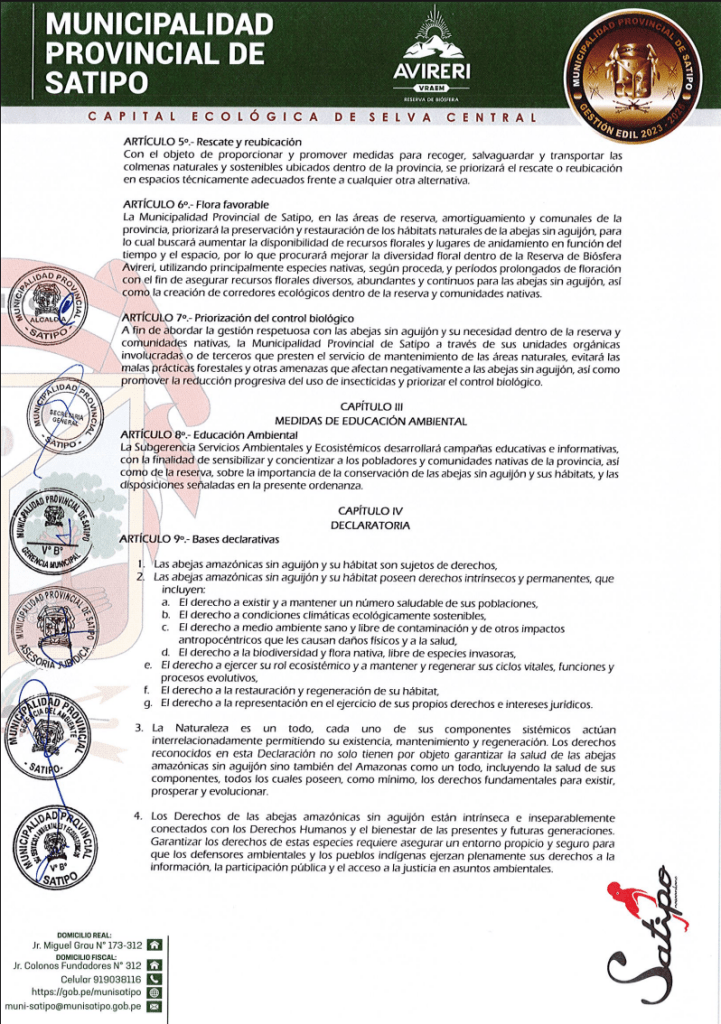
The ordinance created, which grants these insects their rights and recognition by the local government. To begin, Is historic as it recognizes them and their ecosystems as a body. The ordinance does not recognize them as a resource to be managed. According to Municipalidad Provincial de Peru, under the ordinance, the bees are entitled to: their existence and expansion, the right to maintain healthy populations, the right to a habitat free from pollution, the right to ecologically stable climate conditions, the right to regenerate their natural cycles, and the right to be legally represented in cases of threat or harm.
HIstorically the ordinance records as the first victory in government granting rights to an insect. It also highlights the contributed work from the organizations involved, which researched not only the scientific but also the cultural importance of these insects. According to Ethnobiology and Conservation, the areas in which these bees reside are under constant attack by deforestation, agricultural pesticides, invasive pests, and a changing climate. This was already established from other similar research, but very importantly, it recognizes the community’s bee practices are sustainable and deserve to be protected.
Credit: Earth Law Center, Municipalidad Provincial De Satipo