We often measure climate displacement in numbers..how many people moved, how many homes were lost.
But what we don’t talk about enough is what displacement does to people internally.
Because losing your home isn’t just physical..it’s psychological.
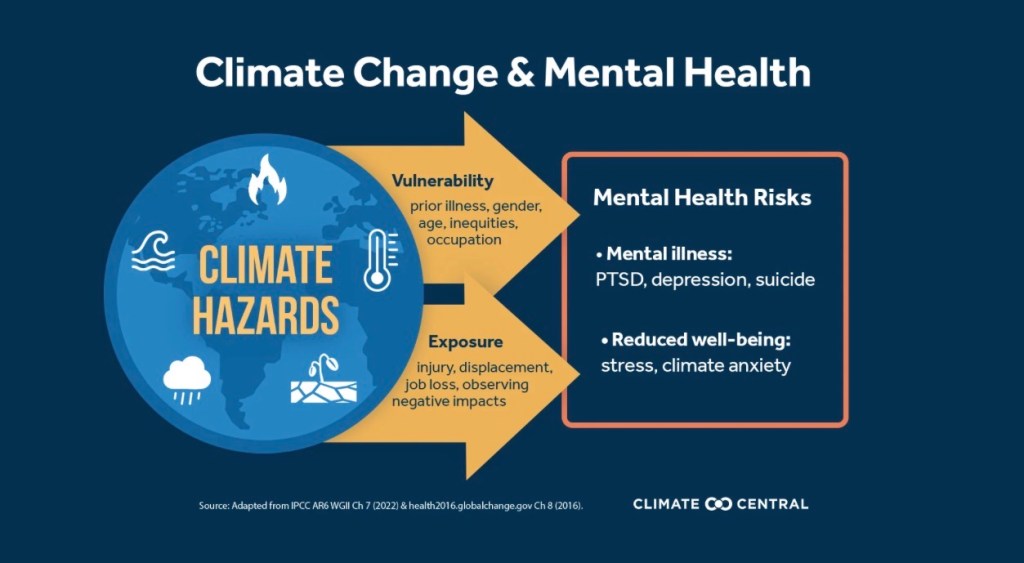
A figure to show climate hazards and affect on mental health
Research shows that climate displacement disrupts livelihoods, identity, and stability, often forcing people into repeated uncertainty and insecurity (migrationpolicy.org).
And in many cases, displacement isn’t a one-time event.
People are forced to move again and again..what some reports describe as cycles of repeated displacement driven by worsening environmental conditions (ReliefWeb).
When Survival Isn’t Enough..
In places affected by floods, droughts, or environmental collapse:
Families lose not just homes, but community structures
Children grow up without stability
Individuals experience chronic stress, anxiety, and trauma
And yet, these impacts are rarely included in policy discussions.
The Invisible Loss…
What makes climate displacement different is that it often erases something harder to measure:
A sense of belonging.
You’re not just leaving a place…you’re losing:
routines
identity
connection to land and memory
If we only measure climate displacement by survival, we miss the full story.
Because staying alive is not the same as being able to live.
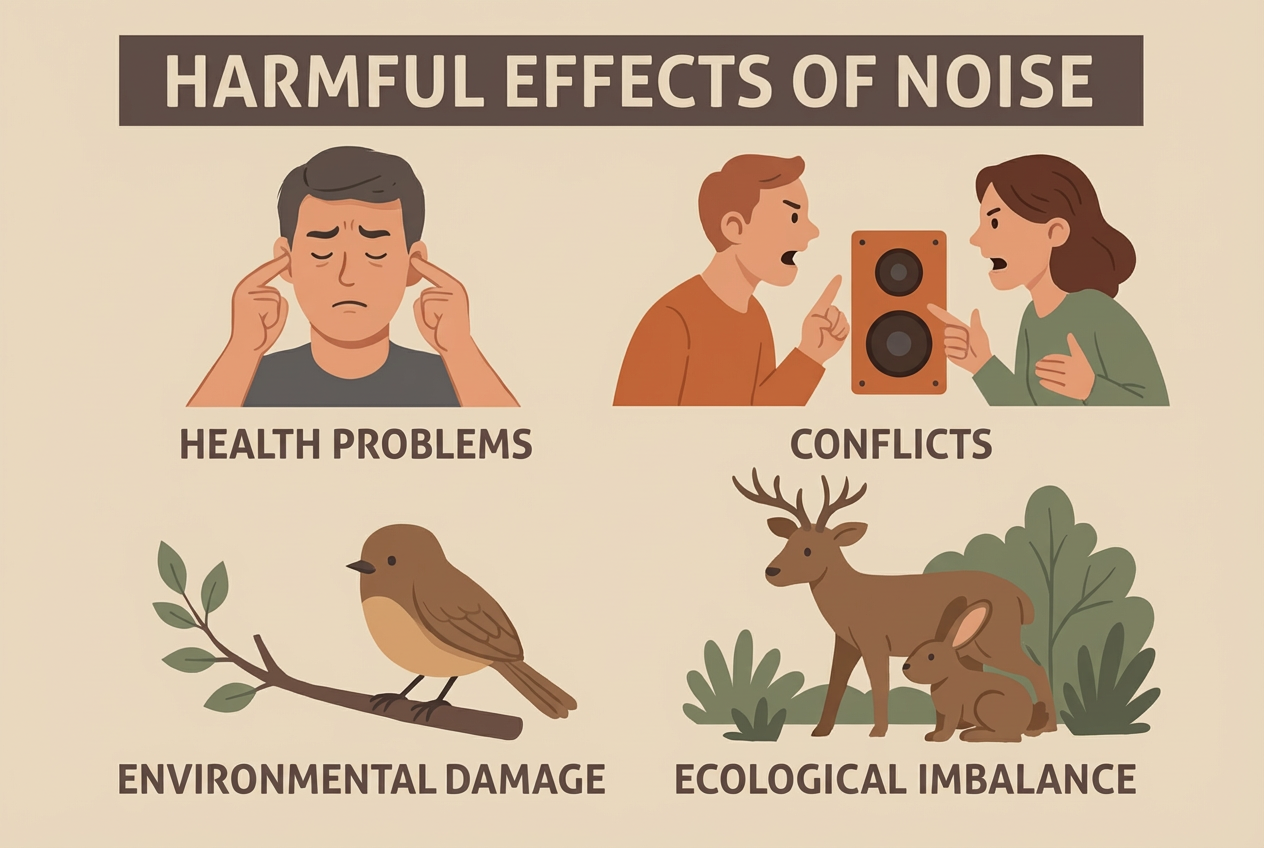
The image depicts four harmful effects of noise to include health problems, conflict, environmental damage, and ecological imbalance.
Noise pollution is often dismissed as a minor inconvenience, but its effects are far more serious. As shown in the image above, noise pollution impacts multiple areas of life, including human health, social relationships, and the environment. From increased stress and sleep disruption to conflicts between individuals and harm to wildlife, noise pollution is a widespread issue that affects both individuals and communities.
One of the most significant impacts of noise pollution is on physical health. Constant exposure to unwanted sound can increase heart rate, raise blood pressure, and contribute to long-term cardiovascular problems. In addition, noise disrupts sleep, which is essential for recovery and overall well-being. Poor sleep quality can lead to fatigue, difficulty concentrating, and a weakened immune system.
Noise pollution also has serious effects on mental health. Living in a consistently noisy environment keeps the brain in a state of alertness, which can increase stress, irritability, and anxiety. Over time, this constant stimulation can contribute to burnout and emotional exhaustion. The image highlights how noise can even lead to conflict between people, showing that its impact extends beyond individual health to social interactions.
Another important aspect of noise pollution is its effect on the environment. Animals rely on sound for communication, navigation, and survival. Increased noise from human activity can disrupt these processes, leading to changes in behavior, reduced reproduction, and even habitat displacement. This contributes to larger ecological imbalances and loss of biodiversity.
Despite these widespread effects, noise pollution is often ignored. Unlike air or water pollution, it is invisible, and many people have become used to constant background noise. However, normalizing noise does not mean it is harmless. As cities continue to grow and technology increases, the impact of noise pollution is likely to become even more significant.
Recognizing noise pollution as a public health issue is an important step toward change. By increasing awareness and taking steps to reduce noise at both the individual and community level, it is possible to create healthier, quieter environments. Noise pollution may be invisible, but its effects are real, and addressing it is essential for improving quality of life.
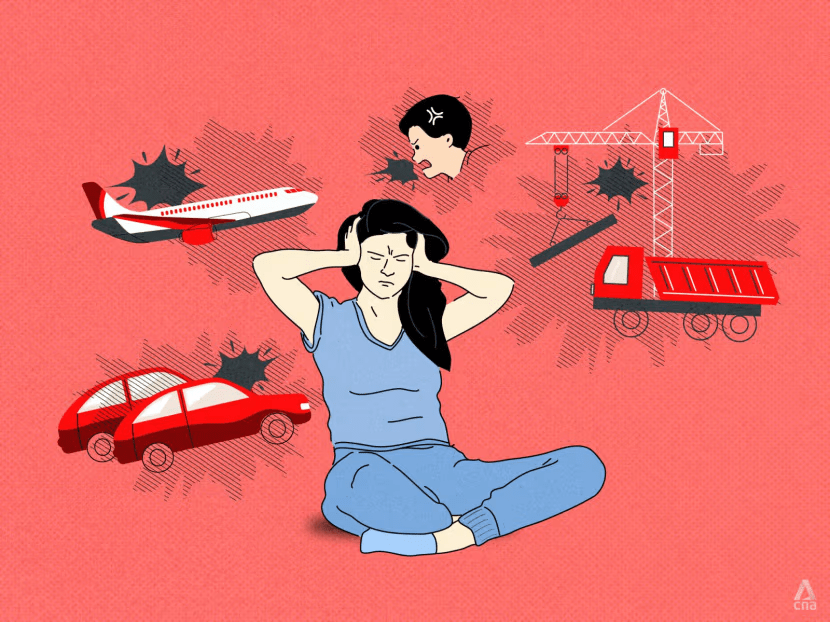
A disgruntled woman covers her ears to block out the noise from common sources of noise pollution (air traffic, vehicle noise, human sound, and construction)
Noise pollution is often thought of as just an annoyance, but it can have real effects on mental health. Constant exposure to background noise from traffic, construction, or crowded environments keeps the brain in a state of alertness. Over time, this can increase stress, irritability, and even contribute to anxiety and burnout. Because noise is such a normal part of everyday life, many people don’t realize how much it is affecting their well-being. Learning how to manage noise exposure is an important step in protecting mental health.
One of the most effective ways to reduce the mental impact of noise is to create intentional quiet time. Taking breaks from loud environments allows the brain to rest and recover. Even short periods in a calm setting, such as going for a walk, sitting in a quiet room, or listening to soft music, can help lower stress levels and improve focus.
Another important strategy for protection your mental health is through controlling your immediate environment. Small changes, like lowering the volume of music or television, using noise-canceling headphones, or adding soft materials like rugs and curtains, can reduce the amount of background noise you experience. Creating a quieter personal space helps your mind feel less overwhelmed and more at ease.
Sleep also plays a major role in mental health, and noise can significantly disrupt it. Even low-level sounds can interfere with deep sleep and prevent the brain from fully recovering. Using white noise, fans, or calming sounds can help mask disruptive noises and improve sleep quality. Prioritizing a quiet sleep environment can make a noticeable difference in mood and energy levels.
It is also important to be aware of how noise affects your stress response. The body often reacts to noise by increasing heart rate and releasing stress hormones, even if you are not consciously aware of it. Practicing relaxation techniques, such as deep breathing, mindfulness, or meditation, can help counteract this response and reduce the overall impact of noise on mental health.
Finally, being mindful of the noise you create can help build a healthier environment for everyone. Lowering volumes, respecting quiet hours, and being considerate in shared spaces contributes to a more peaceful atmosphere. Reducing noise is not only about protecting yourself, but also about supporting the well-being of others.
Noise pollution may be invisible, but its effects on mental health are real. By making small, intentional changes to reduce noise and create quiet spaces, individuals can better manage stress, improve focus, and support their overall well-being.
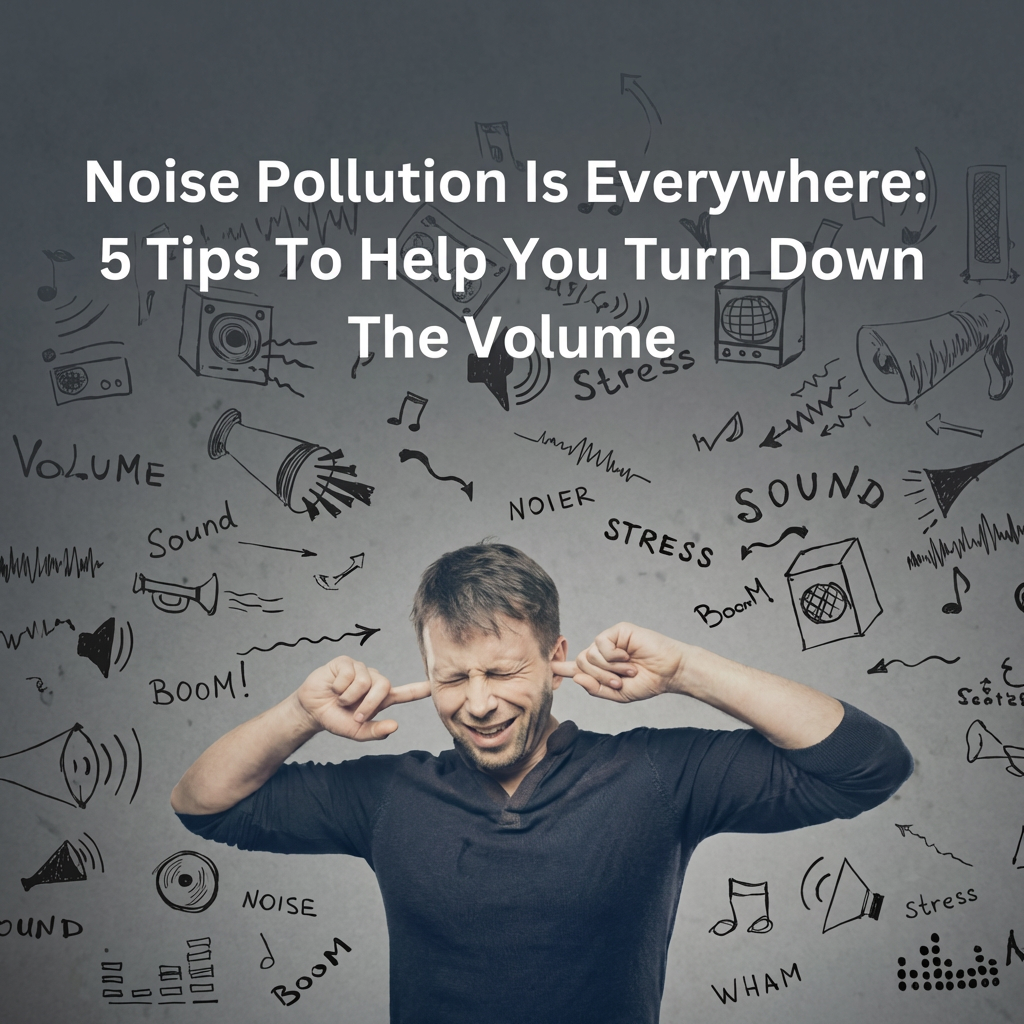
A man blocks his ears in an effort to drown out the sound and stress caused by noise.
Noise pollution is something most people deal with every day, but rarely stop to think about. Whether it’s traffic, construction, or just constant background noise, it has become a normal part of daily life. However, research shows that noise pollution can affect sleep, increase stress, and even impact long-term health. We can’t eliminate noise completely, but there are simple ways to reduce its impact in everyday life.
1. Give your ears a break One of the easiest ways to reduce noise exposure is to step away from loud environments when possible. Taking breaks from crowded spaces, loud music, or constant background noise gives your brain time to reset. Even a short period in a quieter space can help you feel less overwhelmed and more focused.
2. Create a quieter living space Small changes at home can make a big difference. Adding rugs, curtains, or even more furniture can help absorb sound and reduce echoes. Keeping volumes lower on TVs, music, and phones also helps create a calmer environment. These changes can make it easier to relax, focus, and sleep.
3. Use ear protection when needed In louder environments, using earplugs or noise-canceling headphones can help protect your hearing and reduce stress. This is especially helpful during travel, in busy public places, or when studying in a noisy environment. According to the U.S. Environmental Protection Agency, hearing protection is an effective way to reduce the harmful effects of noise exposure.
4. Improve your sleep environment Noise can seriously disrupt sleep, even if it doesn’t fully wake you up. Using a fan, white noise, or calming sounds can help block out sudden noises during the night. Keeping your room quiet and limiting electronics before bed can also improve sleep quality. Since noise pollution is closely linked to sleep disruption, this is one of the most important areas to focus on.
5. Be mindful of the noise you create Reducing noise pollution isn’t just about protecting yourself—it’s also about being considerate of others. Lowering the volume on music, avoiding unnecessary noise late at night, and respecting quiet hours in shared spaces can make a big difference. Small habits like these help create a more comfortable environment for everyone.
Noise pollution may be invisible, but its effects are real. By making small, intentional changes in daily life, we can reduce our exposure to harmful noise and improve our overall well-being. Creating quieter spaces isn’t just about comfort—it’s an important step toward better health.
In a world where urban noise and quietcations now collide, two recent stories reveal a growing tension between everyday soundscapes and the human need for rest. In Seattle, demand for what are now called “quietcations” is surging as residents search for any escape from overstimulation. The city ranks fifth among all U.S. metros seeking peaceful getaways, according to new reporting by Seattle Red. Researchers analyzed more than 200 search terms related to peaceful travel and found that Seattle locals are increasingly craving quiet breaks from stress, noise, and crowded streets.
At the same time, new health research shows that noise pollution is not just an annoyance. It produces measurable harm. A recent U.S. News report describes a study in the journal Cardiovascular Research showing that even one night of typical road traffic noise can impair blood vessel function, raise heart rate, increase inflammation markers, and disrupt sleep quality. The findings confirm that even while we sleep our bodies are still listening.
Together, these stories illustrate why silence itself has become an environmental need. As cities grow denser and background noise becomes harder to escape, Americans are pursuing restorative environments with intention. This includes slow paced travel, minimalist itineraries, and destinations chosen specifically for low noise and light pollution.
The rise of “quietcations” is not simply a wellness trend. It is a response to environmental conditions that increasingly follow us into our bedrooms. When a single night of urban noise can place cardiovascular stress on a healthy adult, the desire for stillness becomes essential rather than indulgent. Seattle residents are not only stressed. They are signaling something larger. The search for quiet has become a form of environmental self-protection.
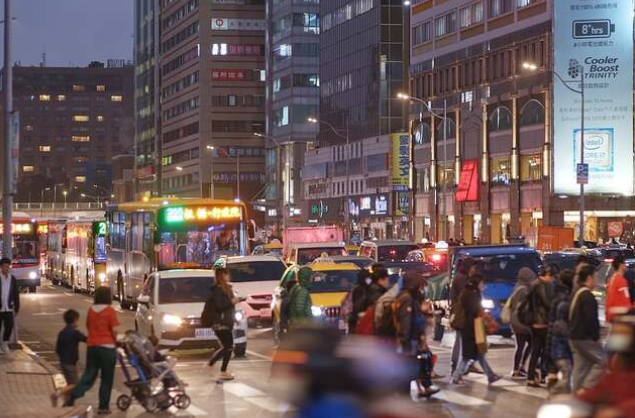
Representation of movement within an urban environment and how it can correlate to the production of sound.
When people think about climate change, they often imagine melting ice caps or rising temperatures. But for millions of people, climate change means something much more personal …losing their homes and being forced to migrate. Climate refugees are individuals and families who must leave their communities because environmental conditions make it impossible to stay.
This blog focuses on the human impact of climate change, especially how displacement affects families, mental health, and social stability. Understanding climate refugees helps us see that environmental problems are also social and humanitarian issues.
For billions of years, life on Earth has been defined by a simple, rhythmic pulse: the transition from day to night. Every plant, animal, and human has evolved under the predictable cycles of the sun, moon, and stars. But as a landmark special issue in Science titled “Losing the Darkness” points out, this fundamental cycle is under threat.
Artificial Light at Night (ALAN) is no longer just a convenience of modern life; it has become a global pollutant that is expanding in both intensity and geographic reach. Here is a look at what we are losing as the world gets brighter.
The Ecological Toll: A Disrupted Food Web
We often think of light as “safe,” but for many species, it’s a death trap. The research highlighted in this issue shows that light pollution is a major driver of the “insect apocalypse.” Many insects are fatally attracted to artificial lights, leading to exhaustion or predation.
This doesn’t just affect bugs; it ripples through the entire ecosystem:
Navigation: Sea turtles and migratory birds, which rely on celestial cues, find themselves disoriented by city glows.
Behavioral Shifts: Predators and prey alike find their hunting and hiding patterns disrupted, leading to a loss of biodiversity and the collapse of local food webs.
Human Health: More Than Just a Bad Night’s Sleep
Our bodies are hardwired to respond to darkness. When the sun goes down, our brains produce melatonin—a hormone critical for sleep, immune function, and regulating our internal “circadian clock.”
The Science special issue details how constant exposure to urban skyglow and blue-rich LED lighting suppresses melatonin production. The consequences are far-reaching, linked to:
Sleep deprivation and chronic fatigue.
Increased risk of metabolic disorders, such as diabetes and obesity.
A potential correlation with more serious conditions, including certain types of cancer and cardiovascular disease.
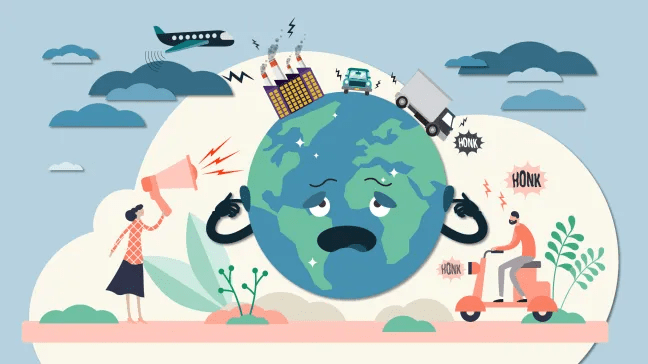
An exhausted Earth attempts to block out noise pollution by plugging it’s ears (Source: GlamBlog)
Noise pollution is something that most people experience every day but rarely stop to think about. Even though many people see it as just an annoyance, research shows that noise pollution can have serious effects on human health and overall well-being.
One of the most obvious impacts of noise pollution is hearing damage. Being around loud sounds for long periods of time, especially noises above 85 decibels, can permanently damage the inner ear. This risk is especially high for people who work in loud environments, but even everyday city living can slowly affect hearing over time.
Noise pollution also affects the body in ways that people may not immediately notice. Constant exposure to loud or disruptive sounds triggers the body’s stress response. When this happens repeatedly, it can raise heart rate and blood pressure. Over time, this added strain on the body increases the risk of cardiovascular problems such as hypertension and heart disease. In this way, noise pollution doesn’t just bother people, it can contribute to serious long-term health conditions.
Sleep is another area where noise has a major impact. Even relatively quiet background sounds can interrupt sleep cycles and make it difficult to get deep, restful sleep. People who live in noisy areas often experience trouble falling asleep, frequent waking during the night, and feeling tired throughout the day. Poor sleep quality can weaken the immune system, make it harder to concentrate, and negatively affect mood.
Mental health is closely connected to environmental noise. Living in nonstop noisy surroundings can increase feelings of stress, anxiety, and irritability. When the brain never gets a break from processing sound, it becomes harder to relax. Over time, this can contribute to anxiety disorders, depressive symptoms, and overall emotional exhaustion.
Beyond specific health problems, noise pollution reduces overall quality of life. It can make conversations difficult, interfere with studying or working, and limit opportunities to relax. Persistent noise can make environments feel overwhelming, which affects both productivity and well-being.
Fortunately, noise pollution is a problem that can be reduced through better city planning, stricter noise regulations, more green spaces, and improved building designs. Recognizing noise pollution as a real public health issue is an important step toward improving everyday life.
Noise pollution affects people of all ages, but it disproportionately affects children. Children and adolescents who are exposed to noise from traffic, construction, and airplanes consistently perform worse academically and have low cognitive test scores (Fernández-Quezada et al.). Noise pollution is an issue that affects people across the globe. According to an article by the European Environmental Agency, “Living in an area affected by transport noise is associated with an increased risk of developing a wide range of health issues, including cardiovascular, metabolic and mental health diseases” (EEA). Environmental disruptions are not merely an annoyance, but instead cause chronic stress that has long-term impacts on psychological well-being. Vulnerable populations, like children and adolescents, are at greater risk for developing symptoms resulting from urban noises like road work and train whistles. Over time, repeated exposure to these environmental stressors can interfere with concentration, cognitive development, and emotional regulation. Though noise pollution is invisible, it is a significant stressor that should be recognized for its contributions to the rising mental health crisis.
References
Fernández-Quezada, D., et al. “The Influence of Noise Exposure on Cognitive Function in Children and Adolescents: A Systematic Review and Meta-Analysis.” International Journal of Environmental Research and Public Health. 2025. PubMed Central.
European Environment Agency. “The Effect of Environmental Noise on Children’s Reading Ability and Behavior in Europe.” European Environment Agency. Dec. 12