space exploration renewable energy innovation
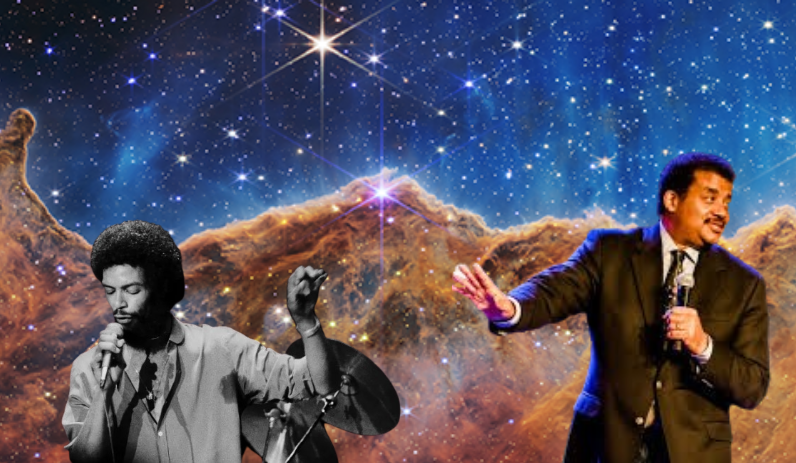
I’ll be honest: I walked into this topic ready to argue against space spending. After writing last week’s post about Gil Scott-Heron’s “Whitey on the Moon” and the real cost of misaligned federal priorities, I was convinced the case was closed. Spend the money here. Fix the Earth. Leave the stars for later.
Then I started listening to StarTalk, Neil deGrasse Tyson’s long-running podcast where science, comedy, and pop culture collide. And I heard something that genuinely changed how I think about this.
Tyson’s core argument isn’t that space is more important than Earth’s problems. It’s that most people don’t understand how deeply space investment has already shaped their daily lives. including the tools we now use to fight those problems. And after doing my own research, I had to admit he’s right.
Here’s what I didn’t know: NASA didn’t just send astronauts to the moon. It quietly built the foundation for modern renewable energy. General interest in solar power waned after the energy crisis of the 1970s, but NASA was still a paying customer, pushing for the development of more efficient and affordable solar cells. Among the spinoffs from those ongoing efforts were solar-powered refrigerators, solar-powered air conditioners, and long-lasting, low-energy lighting options. HowStuffWorks In other words, when the market gave up on solar, NASA kept the lights on literally.
That’s not a footnote. That’s the origin story of an industry that now powers millions of homes.
NASA’s Technology Transfer program has the sole mission of getting space innovations into the hands of companies, entrepreneurs, and everyday people. The agency’s Spinoff publication has captured this work for half a century, sharing stories of space technologies improving life on Earth. NASA Technology The 2026 edition alone documents technologies now being used in affordable housing construction, heart monitoring implants, and agricultural innovation all derived from space research.
Solar panel improvements from satellites now power homes and businesses. NASA’s research on efficient, lightweight solar cells has made renewable energy more practical. Fuel cells from the Apollo era now support renewable energy systems. Spacevoyageventures
This doesn’t erase the equity concerns I raised last week. The question of who benefits from space investment, and who gets left out is still real and still urgent. But Tyson’s point is harder to dismiss than I expected: the pursuit of space doesn’t just compete with solving Earth’s problems. Sometimes it’s the thing that hands us the tools to solve them.
I still think our environmental funding priorities are broken. I still think the EPA shouldn’t be getting its budget gutted while Artemis gets $8.5 billion. But I’ll stop treating space exploration as the enemy of environmental progress. The truth is more complicated and more interesting than that.

