Most conversations about waste focus on what happens after we throw something away.
Can it be recycled? Composted? Burned? Sent to a landfill?
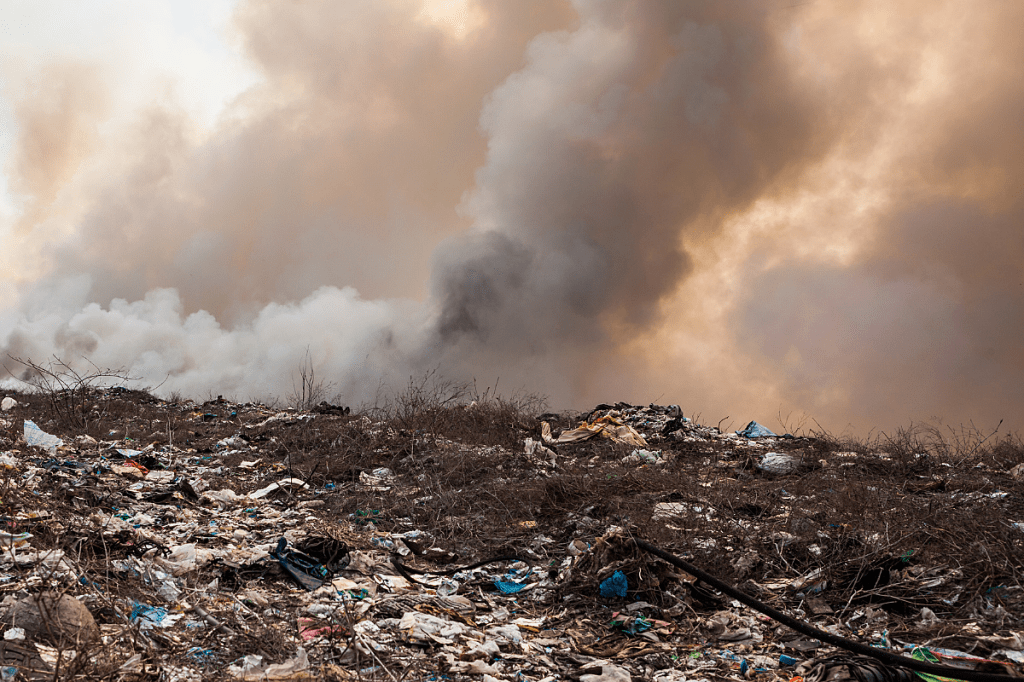
But one of the biggest environmental problems connected to waste is something we rarely see: methane emissions from landfills.
According to the Environmental Protection Agency, landfills are one of the largest human caused sources of methane in the United States. Methane is a greenhouse gas that traps more heat than carbon dioxide over short periods of time. This makes landfill emissions a major contributor to climate change.
This changes the way we should think about trash.
Waste is not just a sanitation issue. It is also a climate issue.
The problem is that many waste systems still make disposal feel unlimited. When households pay the same flat fee regardless of how much they throw away, there is little financial incentive to reduce waste. This is part of why policies like Pay-As-You-Throw (PAYT) systems continue gaining attention across the United States.
As discussed in previous posts, PAYT programs charge residents based on the amount of trash they produce. Communities using these systems have reported major reductions in landfill waste because residents become more conscious of consumption, recycling, and composting habits. Research by the U.S. EPA PAYT Program shows that these systems can significantly reduce overall waste generation while increasing recycling participation.
But reducing waste is not only about policy. It also requires changing how we think about convenience.
Single use packaging, fast consumption, and disposable products are often designed to feel cheap and temporary. The environmental costs, however, are delayed and largely invisible. Trash leaves the curb, but it does not disappear. It accumulates in landfills, produces emissions, and shapes environmental conditions long after consumers stop thinking about it.
For Prince George’s County, this raises an important question moving forward:
Should waste policy continue focusing mostly on disposal, or should it focus more directly on reducing waste before it is ever created?
Because the cheapest trash to manage is the trash that never exists in the first place.

