Written by: Brian Ocotlan-Urbano
Source: APEAM Noticias
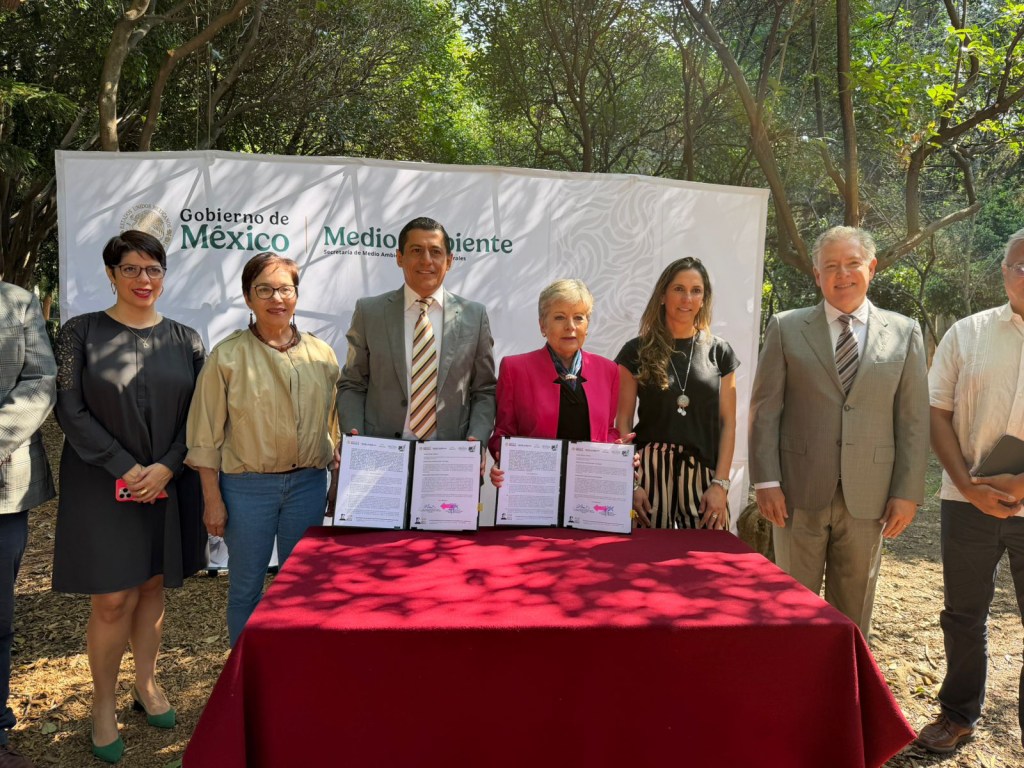
Going to the grocery store is never a dull or particularly interesting experience, but in light of the recent economic troubles facing many American citizens, groceries are skyrocketing. The cost of making your favorite meals or snacks is becoming more expensive. Many of the products in our American grocery stores are imported from other countries, so our food is often sourced from elsewhere. Specifically, avocados, which are native to the Mexican agriculture business and land, are always slightly more expensive than other things. They are also notorious for being difficult to produce and export for international consumers. With their difficulties in pricing and exporting across country borders, they also bring issues to the environment. Those who are responsible for their expansion and regulation in Mexico are causing damage to the neighboring forests. The expansion of land impacts the once-inhabited and protected areas, which will then begin to dismantle the surrounding ecosystem. So the need for regulation of where and when these agribusinesses can expand into neighboring forests and land is vital. It’s important for the country as it keeps the people in the agribusiness in check and protects the ecosystems, which are usually damaged. So, most joyfully for the community of those fighting to protect the forests of Mexico, there is hope. Most recently, the Association of Avocado Producers and Export Packing Houses of Mexico (APEAM) has voluntarily formalized a self-regulation agreement against deforestation in accordance with the Ministry of Environment and Natural Resources (SEMARNAT) and the Federal Attorney for Environmental Protection (PROFEPA). This agreement brings the intention of protecting the environment in the production of avocados.
The agreement creates a strong framework to ensure legality and traceability of production in the avocado business. The APEAM is responsible for overseeing the cooperation of avocado production with already established legalities, which regulate packaging, inspections, and logistics. The overall impact of reinforcing the strength of established environmental protections and laws. Creates a more uniform and regulated production business, which in turn will begin to respect protected forests. The regulations include things such as requiring avocado orchards not to produce from deforested areas that were affected from certain dates onward. This also begins to show in the numbers of exported avocados from non-regulated orchards and regulated orchards.
The pressure that is placed upon these non-regulated orchards to meet regulatory standards is important. As businesses do not want to miss out on the opportunity to market to the United States. The exportation to the US is so financial beenifical for the avocado industry that it would mean losing much revenue for those who are not approved to export under the regulations. According to mexicobusiness.News, according to Pedro Somarriba, President of Avoworks, in 2025, avocado imports reached 297.3Mlb during the first three months of the year. Between January and March of this year, that figure rose to 396.9Mlb, representing a 33% year-over-year increase. The continuous demand for avocados in the United States only brings more demand for sustainable production. So in the long run, the environment won’t be ignored and destroyed.
It is important to understand that the completion of this agreement with the compliance of the Mexican government and the other bodies is not symbolic. Or just a gesture, it is being said that the completion of this agreement is the evolution of a model built over time based on shared responsibility and rules.
“This Zero Deforestation Agreement is neither a symbolic gesture nor a short-term response; it is the natural evolution of a model that the sector has built over nearly three decades, based on clear rules and shared responsibility,” – APEAM President Raúl Martínez Pulido
Overall, the continuous fight to regulate the production of any fruit or vegetable will bring hope to those who understand the dangers our planet faces. With this voluntary agreement created and signed by the involved parties, the idea of law applying to everyone is also a huge win. In a country like Mexico, where much negative energy surrounds the fight for the environment, and the corruption dances around laws daily. Anything that looks to regulate with an iron fist over time is better than nothing at all being achieved for our planet in this country.
References:
APEAM Formalizes Zero Deforestation Agreement with SEMARNAT
Zero-deforestation deal signed by key Mexican avocado association – FreshFruitPortal.com


Leave a comment