AI data center expansion is often framed as necessary for innovation, but its effects on nearby communities reveal a more complicated reality. As artificial intelligence continues to grow, the physical infrastructure supporting it is placing increasing environmental and social pressure on specific regions.
Recent research such as “The Cloud Next Door” by Wacuka M. Ngata et al. shows that data centers are not just technical facilities, they are embedded in local environments where they consume large amounts of energy, water, and land. These impacts are often concentrated in communities that have little say in whether these projects are built. The study highlights how residents experience increased strain on local resources, while the economic and technological benefits of AI are distributed much more broadly.
This pattern is not new. In her dissertation “Catching the Cloud and Pinning It Down,” Heather A. Ipsen argues that data centers create a disconnect between digital convenience and physical consequences. While AI appears invisible to users, its infrastructure reshapes local landscapes, affecting things such as water availability and land use. These impacts are often overlooked because they are spread across specific geographic areas rather than felt equally by all users.
What makes AI data center expansion especially significant is how quickly it is accelerating. Communities hosting these facilities must adapt to growing demands on infrastructure without always having the political or economic power to influence decisions. This raises concerns not just about environmental sustainability, but also about fairness and long-term planning.
AI may feel like a shared global system, but its environmental footprint is highly localized. Understanding AI data center expansion at the community level reveals that the costs of digital growth are not evenly distributed, and that the people living closest to the infrastructure often bear the greatest burden.
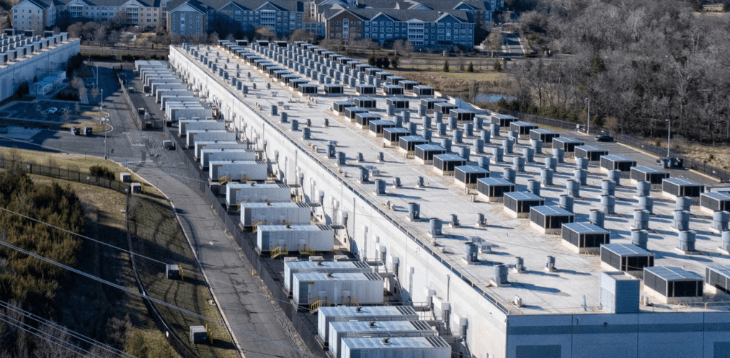
Alt text: Large data center facility with rows of cooling units and equipment on the roof, located near a residential apartment complex, illustrating the close proximity of AI infrastructure to local communities
References:
Ngata, Wacuka M., et al. “The Cloud Next Door: Investigating the Environmental and Socioeconomic Strain of Datacenters on Local Communities.” Proceedings of the ACM SIGCAS/SIGCHI Conference on Computing and Sustainable Societies (COMPASS ’25), 2025, pp. 769–774.
Ipsen, Heather A. Catching the Cloud and Pinning It Down: The Social and Environmental Impacts of Data Centers. Syracuse University, 2018. ProQuest Dissertations & Theses.


Leave a comment