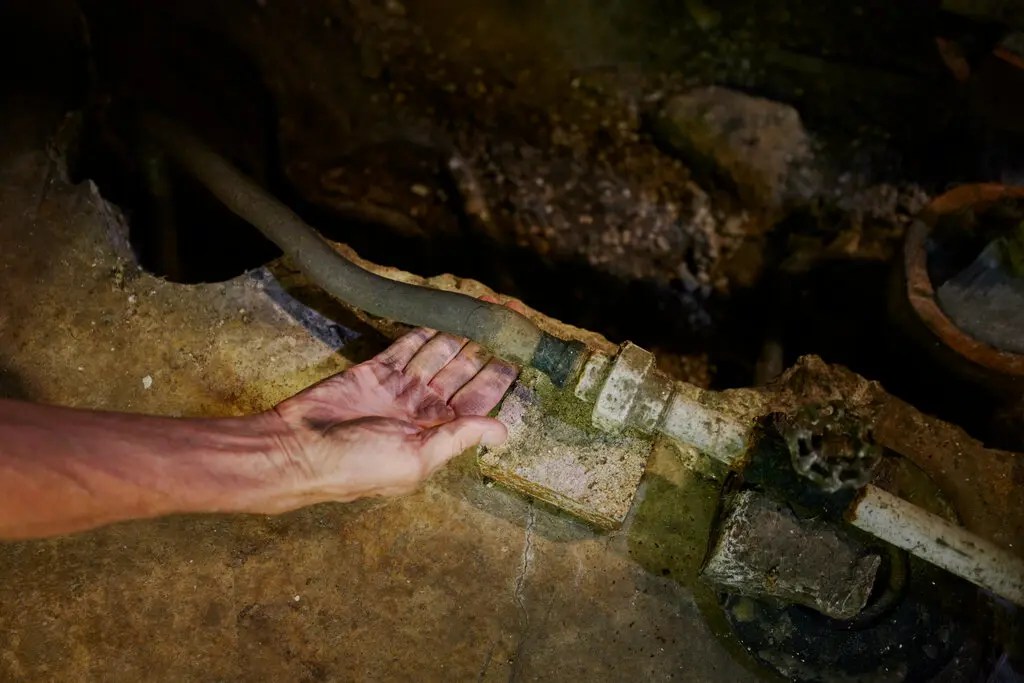
If you have identified that your pipes are made of or contain lead, then this post will help in providing information on what to do next.
Having lead pipes does not automatically mean that they are contaminating the water, though it is certainly possible. Therefore, test the water regularly and consider having them replaced even if the water contains 0 ppb of lead.
Replacements can either be partial or complete. Partial replacements, however, are discouraged since this involves disrupting the water on either side of the pipe, which can cause lead levels to increase. Also, galvanized pipes can become compromised when only partially replaced. Therefore, complete replacement is advised.
Start by contacting the water provider, city, or county regarding replacement programs. In 2024, the EPA passed the Lead and Copper Rule Improvements (LCRI) that states that all lead lead service lines must be replaced within 10 years. Therefore, there is likely funding that is available to replace your lead pipes. However, there could be a considerable wait time. Therefore, contacting a plumber may be necessary if the pipes are found to be exposing lead to the water. The price for this varies depending on the geography, soil conditions, and infrastructure layout, though it is estimated to cost anywhere from $5,000 to $10,000.
References:
https://www.nytimes.com/2024/10/08/climate/lead-pipes-water-testing-filter-protection.html
https://resources.bandt-us.com/blog/understanding-lead-pipe-replacement-compliance-costs-and-the-road-ahead
https://www.leadinnovationhub.org/lead-pipes-101/
 Writing About the Environment
Leave a comment