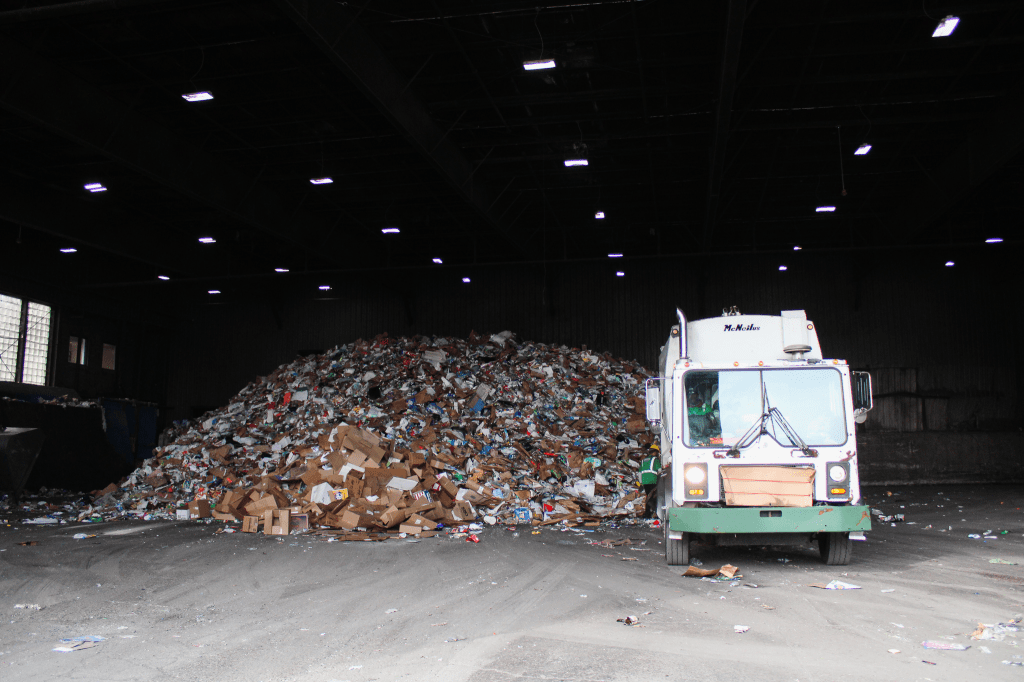
If Pay-As-You-Throw pricing systems reduce landfill waste and increase recycling rates, should Prince George’s County adopt them?
Across the United States, Pay-As-You-Throw pricing systems (PAYT) have consistently changed how communities manage waste. By charging residents based on how much trash they throw away, these systems create a financial incentive to reduce waste. Research shows that PAYT programs can reduce landfill waste by as much as 17–44% while significantly increasing recycling participation .
This presents a clear opportunity for Prince George’s County, which still relies on a traditional flat fee system. Landfills are a major source of methane emissions. Reducing the amount of waste sent to landfills can directly improve both environmental and public health outcomes. PAYT offers a policy tool that targets behavior at the household level, making waste reduction both measurable and economically driven.
But adoption is not just about whether the policy works — it’s about whether it works well in this specific community.
As discussed in previous posts, PAYT systems can come with consequences. Without proper design, they can place a heavier burden on lower-income households or lead to small increases in illegal dumping. These risks do not outweigh the environmental benefits, but they do shape how the policy should be implemented.
That means the real question for Prince George’s County is not a simple yes or no.
It’s how.
A successful PAYT system would need to include accessible recycling services, clear public communication, and program adjustments that account for differences in income and access. Other communities have shown that when these elements are in place, PAYT systems can reduce waste while maintaining fairness.
Waste policy often feels invisible, but it shapes everyday behavior in powerful ways.
For Prince George’s County, adopting Pay-As-You-Throw pricing systems would represent a shift toward a more sustainable and accountable waste system — if it is designed with both environmental outcomes and community equity in mind.
 Writing About the Environment
Leave a comment