By Collin Bomysoad
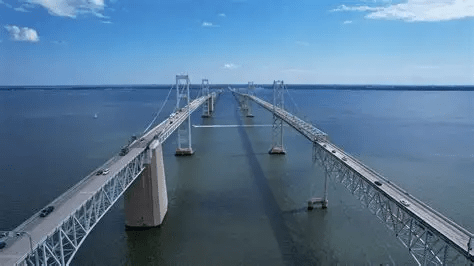
One of the forms of pollution that the Chesapeake Bay is experiencing is air pollution, at 21%, the pollution is coming from vehicles, power plants, agricultural emissions, and air to tidal water. Present day, with the current Trump presidential administration, our concerns are shifted towards the evivormental roll backs. With the repeals rescinded, all greenhouse gas emissions standards that applied to highway vehicles and engines are rescinded. Several scientific and environmental groups had taken the matter to court in hopes of overturning the decision. These same groups argue that the repeal will drastically harm certain parts of the country more than others because of the risk of the eastern cities being more susceptible to air pollution based illmness at a disproportionately higher rate. At the same time envioerentalists are concerned with the bay’s cleanup as the rollbacks in fact reverse progress. The reason why so many climate change activates can agree with these environmentalists is that the bay’s health and climate change are interconnected. As the atmosphere heats up, more moisture is trapped inside, and as a result, heavier rainfall ensues, with the increased rate of heavy rain,n more sediment is washed from the roads and farms into the bay or rivers that feed into the bay. A side effect of these warming waters, as a result of this runoff, is ecological dead zones. The head of Maryland’s Department of thEnvironment’sts Air program said that with the most up-to-date scientific data, it’s carbon emissions that are the largest contributor to air pollution. In Maryland, 35% of greenhouse emissions are caused by transportation. Having our bay polluted by air pollution that can be managed with proper environmental policies that were in place and removed can be incredibly frustrating. There is still hope, however,r for our bay as described;d it is merely a setback.
.
 Writing About the Environment
Leave a comment