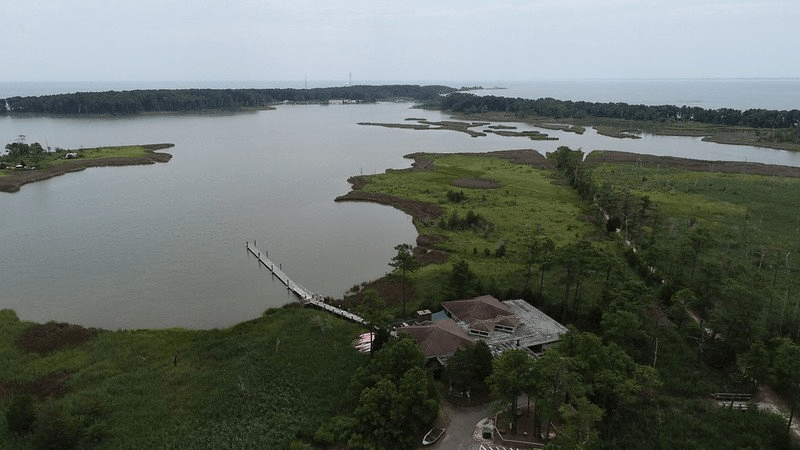
Every time I see politicians in hard hats, cutting ribbons on flashy climate initiatives with oversized checks in hand and smiles plastered on their faces, I can’t help but feel something is off. Beneath the sparkle and hype, the reality remains clear: the waters keep rising, and the need for genuine action grows ever more urgent.
I’ve been delving into what I call the “resilience funding gap,” a concept that sounds simple but is deeply alarming. We often make grand promises about funding climate adaptation, hold celebratory press conferences, and bask in the glow of our intentions. Yet when it comes time to put those plans into action, the funds often vanish into thin air.
This leads us into a frustrating cycle: we engage in extensive planning, but the actual construction and action falls tragically behind.
Take, for example, the chilling warning issued last year by the Maryland Department of Natural Resources: local governments can’t even kick off construction projects due to a lack of funding. We can sketch out innovative living shorelines and draft effective stormwater management plans, but without the financial support to put them into practice, they remain mere blueprints, dreams with no means to be realized.
This resilience funding gap is all too common. We rally around our intentions, but when it’s time to deliver real results, we falter. Meanwhile, communities in flood-prone areas are left in limbo, watching rivers swell and storms grow fiercer by the day.
Let’s look at Virginia for a moment. The state recently rejoined the Regional Greenhouse Gas Initiative, which is fantastic news! This program had previously funneled $827 million into flood preparedness and energy efficiency before it was abruptly yanked away in 2023. Now that the funding is back and the governor has signed off on the budget, celebrations near, and my heart swells with hope too.
But here’s the troubling truth: this funding isn’t new. It’s merely the money we lost and then miraculously revived. That’s not progress; it’s just treading water.
While we were busy fighting to reinstate that funding, the seas rose higher, storms grew more relentless, and towns like Norfolk, Hampton, and Alexandria continued to grapple with the damaging effects of flooding.
Let’s get real for a moment. As a college junior, I’m expected to be optimistic about budgets, bills, and all those grand announcements. Some days, I believe in the process; other days, I find myself glancing over flood maps, grant applications, and frustrating fine print that says, “construction not eligible.” It makes me question whether we truly care about driving change.
It often feels like we’re more invested in the pomp of ribbon-cutting ceremonies and press releases than in doing the actual work necessary to safeguard our communities. When funding runs dry before construction even begins, that’s not resilience; that’s creative performance.
The water doesn’t care about our announcements. It just keeps rising while we keep saying, “Next year, we’ll build.” I’ve had enough of waiting, and I’m ready to see us take meaningful action this year.
MLA Citations
Maryland Department of Natural Resources. “Resiliency through Restoration Initiative.” Maryland Department of Natural Resources, https://dnr.maryland.gov/climateresilience/Pages/default.aspx , 24 Mar. 2026.
Southern Environmental Law Center. “Virginia just took a big step toward confronting climate change.” SELC, 25 Feb. 2026, www.selc.org/news/virginia-just-took-a-big-step-toward-confronting-climate-change/.
 Writing About the Environment
Leave a comment