by Antoinette Hovor
Light matters so much in our lives that it almost seems impossible to imagine a world without it. However, reducing light pollution doesn’t mean living in darkness. There are ways for us to reduce the effects of light pollution in our homes without shutting everything off.
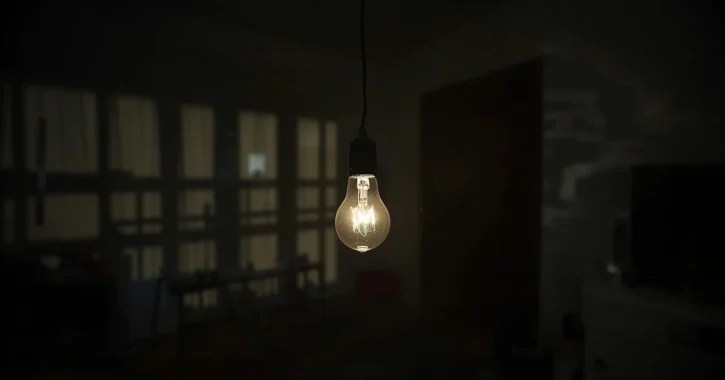
The first method is to look at the bulbs. Most Americans already use LED bulbs, which are significantly better than Incandescent bulbs due to their long-lasting performance and lower energy consumption. There is debate about the cons of LED and whether high-pressure sodium (HPS) bulbs are better for outside lighting. But the truth is, all bulbs cause some sort of pollution, and research is still far from being done in finding the best solution.
Motion sensor lights are also important to consider. Lights that are on throughout the night waste a lot of energy. Rather, using solar and motion sensors that turn on only when the sun is down, and people are near the area, is good for reducing light pollution outside and saves money on the electric bill. I am a victim of forgetting to turn off a porch light overnight and feeling regret in the morning.
For people who live in cities, decentering light is a much more daunting task. Often, the culture of big cities includes bright lights and staying up late. It’s important to remember that light pollution is not your fault. While individual actions matter, so does the collective. In my next blog post, I’ll talk about ways policymakers can aid light pollution. However, the best way to tackle light pollution is to take it one step at a time. Implementing small changes in your lifestyle can go a long way.
 Writing About the Environment
Leave a comment