Image Description
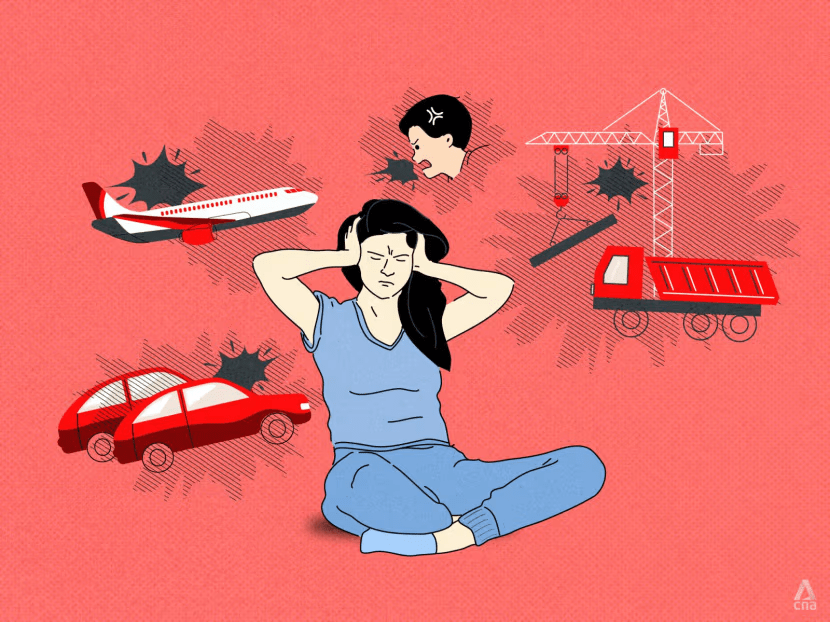
A disgruntled woman covers her ears to block out the noise from common sources of noise pollution (air traffic, vehicle noise, human sound, and construction)
Noise pollution is often thought of as just an annoyance, but it can have real effects on mental health. Constant exposure to background noise from traffic, construction, or crowded environments keeps the brain in a state of alertness. Over time, this can increase stress, irritability, and even contribute to anxiety and burnout. Because noise is such a normal part of everyday life, many people don’t realize how much it is affecting their well-being. Learning how to manage noise exposure is an important step in protecting mental health.
One of the most effective ways to reduce the mental impact of noise is to create intentional quiet time. Taking breaks from loud environments allows the brain to rest and recover. Even short periods in a calm setting, such as going for a walk, sitting in a quiet room, or listening to soft music, can help lower stress levels and improve focus.
Another important strategy for protection your mental health is through controlling your immediate environment. Small changes, like lowering the volume of music or television, using noise-canceling headphones, or adding soft materials like rugs and curtains, can reduce the amount of background noise you experience. Creating a quieter personal space helps your mind feel less overwhelmed and more at ease.
Sleep also plays a major role in mental health, and noise can significantly disrupt it. Even low-level sounds can interfere with deep sleep and prevent the brain from fully recovering. Using white noise, fans, or calming sounds can help mask disruptive noises and improve sleep quality. Prioritizing a quiet sleep environment can make a noticeable difference in mood and energy levels.
It is also important to be aware of how noise affects your stress response. The body often reacts to noise by increasing heart rate and releasing stress hormones, even if you are not consciously aware of it. Practicing relaxation techniques, such as deep breathing, mindfulness, or meditation, can help counteract this response and reduce the overall impact of noise on mental health.
Finally, being mindful of the noise you create can help build a healthier environment for everyone. Lowering volumes, respecting quiet hours, and being considerate in shared spaces contributes to a more peaceful atmosphere. Reducing noise is not only about protecting yourself, but also about supporting the well-being of others.
Noise pollution may be invisible, but its effects on mental health are real. By making small, intentional changes to reduce noise and create quiet spaces, individuals can better manage stress, improve focus, and support their overall well-being.
Hyperlinks: https://www.academia.edu/126852018/NOISE_POLLUTION_AND_ITS_EFFECTS_ON_HUMAN_HEALTH_A_REVIEW https://www.channelnewsasia.com/today/mental-health-matters/loud-noises-disturbance-drilling-crying-television-4834676
 Writing About the Environment
Leave a comment