Image Description
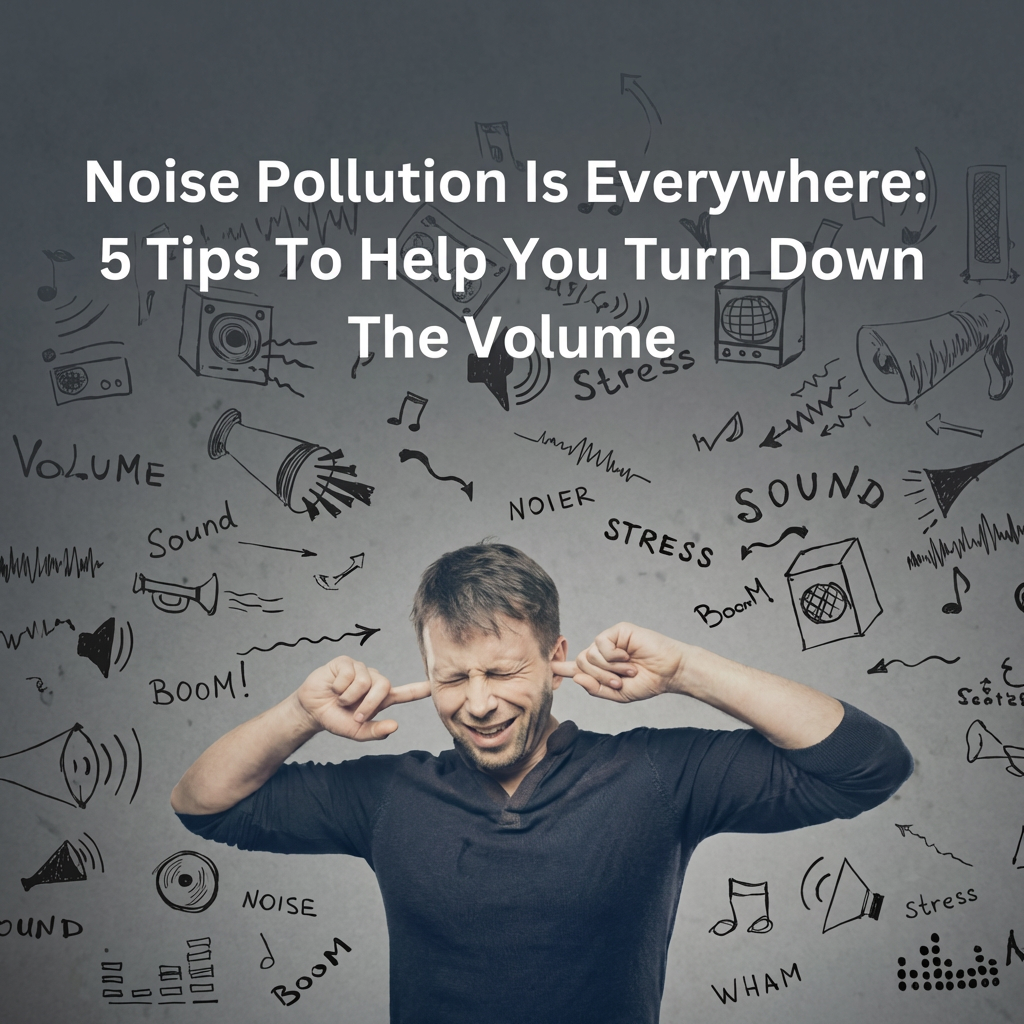
A man blocks his ears in an effort to drown out the sound and stress caused by noise.
Noise pollution is something most people deal with every day, but rarely stop to think about. Whether it’s traffic, construction, or just constant background noise, it has become a normal part of daily life. However, research shows that noise pollution can affect sleep, increase stress, and even impact long-term health. We can’t eliminate noise completely, but there are simple ways to reduce its impact in everyday life.
1. Give your ears a break
One of the easiest ways to reduce noise exposure is to step away from loud environments when possible. Taking breaks from crowded spaces, loud music, or constant background noise gives your brain time to reset. Even a short period in a quieter space can help you feel less overwhelmed and more focused.
2. Create a quieter living space
Small changes at home can make a big difference. Adding rugs, curtains, or even more furniture can help absorb sound and reduce echoes. Keeping volumes lower on TVs, music, and phones also helps create a calmer environment. These changes can make it easier to relax, focus, and sleep.
3. Use ear protection when needed
In louder environments, using earplugs or noise-canceling headphones can help protect your hearing and reduce stress. This is especially helpful during travel, in busy public places, or when studying in a noisy environment. According to the U.S. Environmental Protection Agency, hearing protection is an effective way to reduce the harmful effects of noise exposure.
4. Improve your sleep environment
Noise can seriously disrupt sleep, even if it doesn’t fully wake you up. Using a fan, white noise, or calming sounds can help block out sudden noises during the night. Keeping your room quiet and limiting electronics before bed can also improve sleep quality. Since noise pollution is closely linked to sleep disruption, this is one of the most important areas to focus on.
5. Be mindful of the noise you create
Reducing noise pollution isn’t just about protecting yourself—it’s also about being considerate of others. Lowering the volume on music, avoiding unnecessary noise late at night, and respecting quiet hours in shared spaces can make a big difference. Small habits like these help create a more comfortable environment for everyone.
Noise pollution may be invisible, but its effects are real. By making small, intentional changes in daily life, we can reduce our exposure to harmful noise and improve our overall well-being. Creating quieter spaces isn’t just about comfort—it’s an important step toward better health.
Hyperlinks:
https://www.spiritune.com/blog/noise-pollution-is-everywhere-5-tips-to-help-you-turn-down-the-volume
https://www.epa.gov/clean-air-act-overview/clean-air-act-title-iv-noise-pollution
 Writing About the Environment
Leave a comment