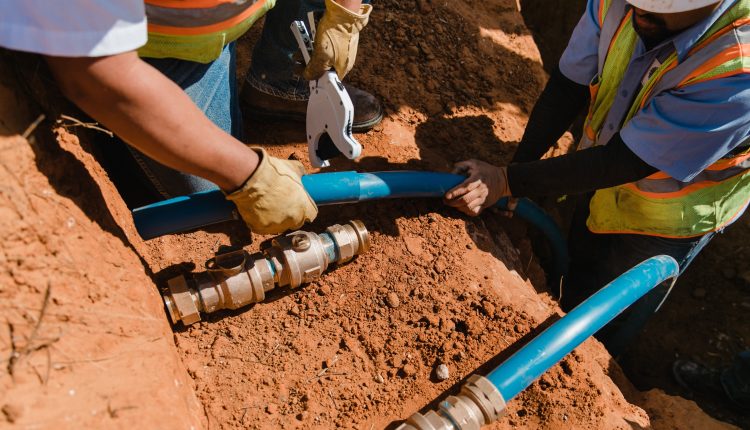
There are various ways throughout the water drinking infrastructure that would cause water to be contaminated. A very common point of contamination is through lead service lines. Approximately 50% to 70% of lead in tap water comes from lead service lines and goosenecks. Other significant sources include lead solder (which is 50% lead by weight), galvanized iron pipes (that are coated with lead), and components made of leaded brass (ex. faucet, valve, etc.). An effective solution to reducing lead contamination would be to replace all lead pipes, which is something that many cities and municipalities are actively working on. These efforts, however, need lots of funding. Roanoke-Chowan News-Herald reports that the North Carolina Department of Environmental Quality would be allocating $472 million for water and wastewater projects within the state. The town of Woodland will be receiving $3 million of those funds for the town’s Wastewater Treatment Plant rehabilitation project. Specifically, it will be replacing pipes and performing other repairs and upgrades to the building. The NCDEQ funds, in general, will be very useful for identifying and replacing any lead pipes.
References:
https://doi.org/10.1016/j.coesh.2018.10.002
https://www.roanoke-chowannewsherald.com/news/woodland-receives-grant-for-wastewater-rehab-project-390f9cc6
https://injectionmouldingworld.com/improved-awwa-c904-important-for-underground-potable-pex-water-service-line-installation/
 Writing About the Environment
Leave a comment