Image Description
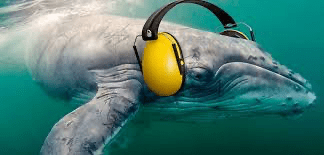
Marine life with headphones on (AI generated) from Awesome Ocean
Noise pollution, defined as unwanted or harmful levels of sound in the environment, poses significant threats to wildlife. Various studies have highlighted its detrimental effects on different animal species, particularly in marine and terrestrial environments. This blog lists 5 consequences that noise pollution has for wildlife.
1. Disruption of Communication
Many animals rely on sound for communication, whether it be for mating calls, warning signals, or social interactions. Noise pollution can mask these important sounds, making it difficult for animals to hear one another. For instance, marine animals like whales and dolphins use echolocation to navigate and hunt. Increased background noise from ships and industrial activities can interfere with these signals, leading to disorientation and reduced hunting success.
2. Impacts on Breeding and Parenting
Sound carries different meanings in the animal kingdom, especially during breeding seasons. Noise pollution can hinder mating calls, reducing reproduction rates. Furthermore, parent birds, for example, may struggle to communicate with their chicks, impacting the survival rates of their young. Studies have shown that some bird species alter their songs or breeding behaviors in response to louder environments, often leading to decreased reproductive success.
3. Stress and Behavioral Changes
Exposure to constant noise causes stress in animals, which can affect their overall health and behavior. Stress responses can result in increased heart rates, altered hormone levels, and changes in feeding habits. Animals flee their habitats to seek quieter environments, which leads to increased competition for resources in less polluted habitats.
4. Altered Predator-Prey Dynamics
Noise pollution can also impact predator-prey relationships. For example, prey animals may become more vigilant and evasive due to the constant distraction of noise, making them harder to catch. Additionally, predators may struggle to locate their prey amid the noise, leading to population decline for various species.
5. Habitat Displacement
In extreme cases, persistent noise pollution can cause animals to completely abandon their natural habitats. This displacement can disrupt entire ecosystems, leading to reduced biodiversity as species are forced out of areas where they have successfully lived for generations.
Conclusion
The impacts of noise pollution on animals extend farther than most people recognize. As human activities expand into animals’ natural habitats, it becomes increasingly important to mitigate the effects of noise pollution on wildlife. Prioritizing quieter technologies and creating protected acoustic environment can support the well-being of animal populations and the ecosystems they inhabit.
Hyperlinks
https://education.nationalgeographic.org/resource/noise-pollution/
 Writing About the Environment