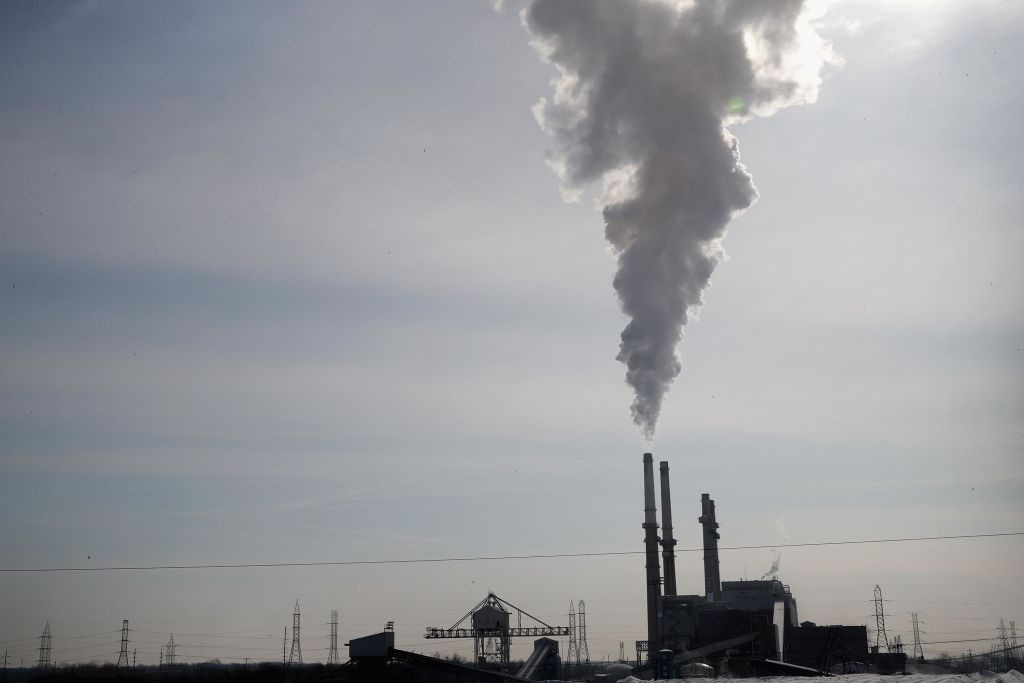
In most cases, when one thinks about air pollution, smog covering the skyline or dark smoke emanating from factories comes to mind. However, the most deadly form of pollution is that which is not seen at all.
PM2.5 is an airborne pollutant whose particle size is 2.5 micrometers in diameter and is 30 times smaller than a single strand of human hair. These pollutants are invisible, odorous, and tasteless; they can be breathed in without one noticing it, especially when it’s a sunny day or living in a suburban area. The sources of PM2.5 are motor vehicles, stovetop cooking, wildfires, and many others. This pollutant enters the bloodstream via the lungs.
It is this very issue that should be most alarming to us all. What is harming us isn’t the pollution that causes emergency levels of smog and receives national attention. It is the pollution that we can’t see: the highway just down the road from you, the gas stove you use in your kitchen, the smoke from the fire that floated into your home three weeks ago and hasn’t gone away since. Our safety regulations were designed for what we knew was measurable and visible. We never even saw the danger.
Sources: Health Effects Institute, State of Global Air 2025 (healtheffects.org); Pope et al., University of Birmingham, March 2026 (birmingham.ac.uk).
 Writing About the Environment
Leave a comment