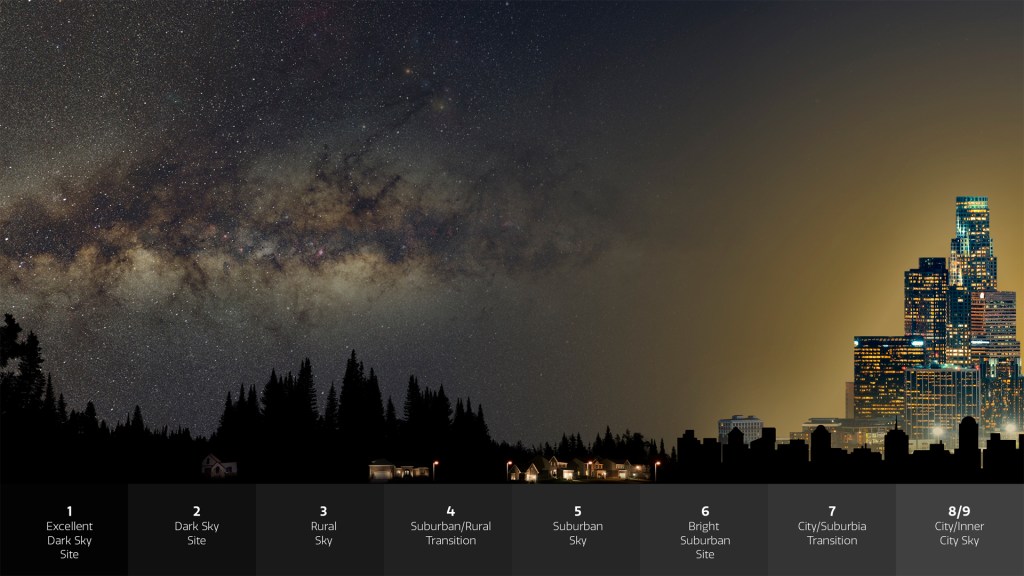
As we move through 2026, the conversation around ALAN (Artificial Light at Night) has shifted. We are no longer just talking about seeing the stars; we are talking about “The Twilight Gap”—a newly identified period of extreme ecological sensitivity that is changing how we design our cities.
1. The Twilight Sensitivity
Groundbreaking research published in Current Biology in February 2026 suggests that our current “midnight dimming” policies might be missing the most critical window for biodiversity.
- The Discovery: Many nocturnal insects and spiders begin their essential navigation and foraging during twilight.
- The Impact: Standard streetlights are most disruptive during these early evening hours. Even modest levels of ALAN during twilight can suppress activity and “blind” navigation cues, leading to a collapse in local food chains before the night has even truly begun.
2. Sharks Under the City Lights
It isn’t just land-based ecosystems feeling the glare. A first-of-its-kind study from February 2026 measured melatonin levels in wild sharks living near major coastal cities.
- Hormonal Disruption: Coastal “skyglow” is significantly suppressing melatonin in resident species like nurse sharks.
- The Ripple Effect: Because melatonin regulates growth and immune function, researchers are concerned that light pollution is creating a “chronic stress state” for marine predators, potentially altering their hunting patterns and health in ways we are only beginning to measure.
3. The Carbon Budget “Leak”
For the first time, ALAN is being recognized as a direct player in global climate models.
- The Respiration Pump: New data confirms that artificial light increases ecosystem respiration—the release of $CO_2$ by plants and soil—without increasing photosynthesis.
- The Scale: This “carbon leak” is now visible on a continental scale. By keeping ecosystems “awake” and metabolically active 24/7, light pollution is subtly reducing the ability of our forests and urban parks to act as carbon sinks.
The 2026 Solution: “Precision Lighting”
The “all-or-nothing” approach to street lighting is being phased out in favor of AI-driven Precision Lighting.
| Technology | Benefit |
| Spectral Tuning | Lights that shift to deep amber (low blue-light) during the critical twilight window. |
| Zonal Shielding | Using digital “shutters” to prevent light from hitting water surfaces or forest edges. |
| Astrotourism Zones | Dedicated regions where local economies are built on “noctourism,” proving that darkness is a financial asset. |
The Takeaway
Light pollution is the only form of pollution that can be solved at the speed of a switch. As we align our technology with the biological reality of “twilight sensitivity,” we aren’t just saving energy—we are restoring the ancient rhythm that sustains life from the deep ocean to our own backyards.
 Writing About the Environment
Leave a comment