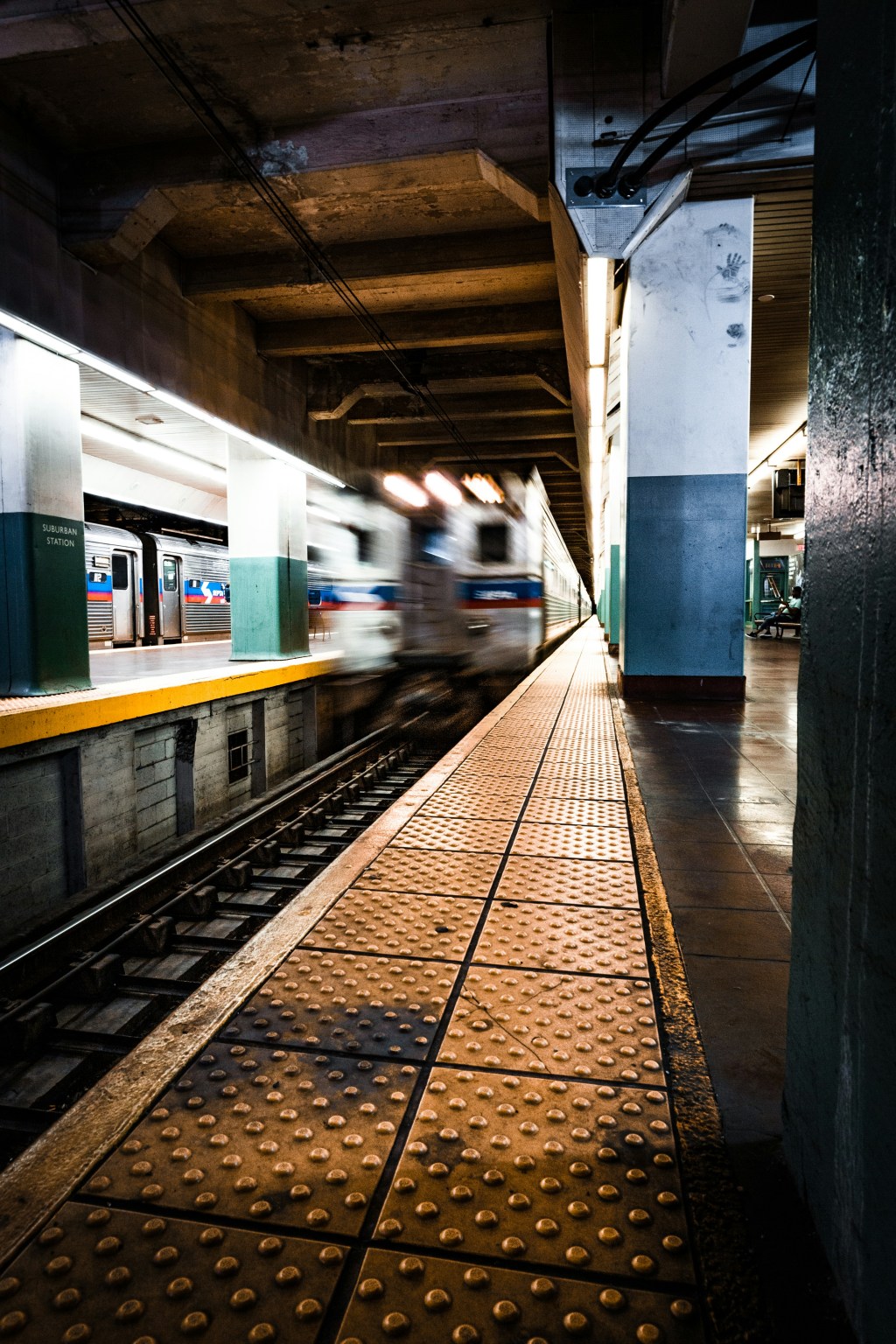
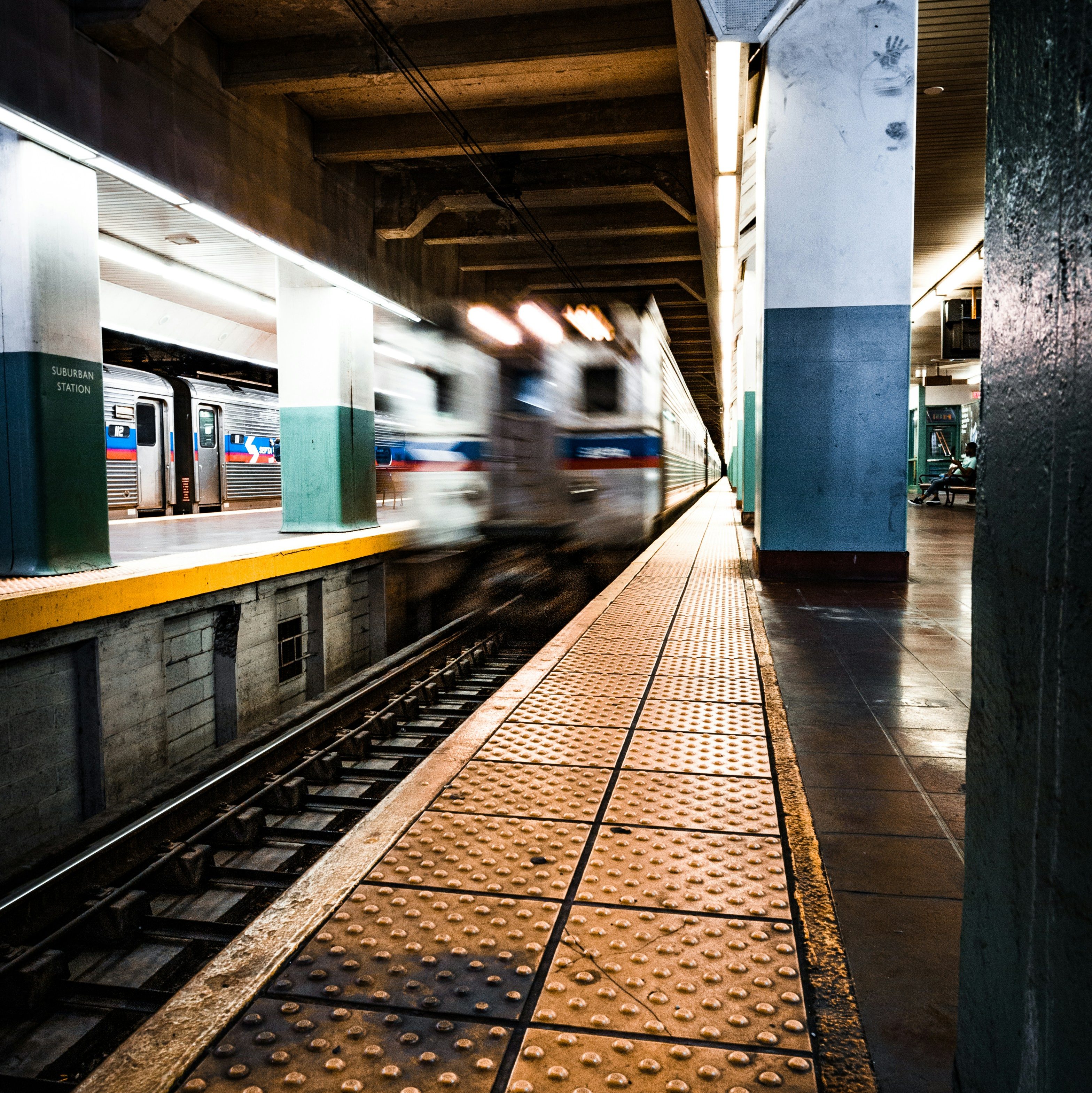
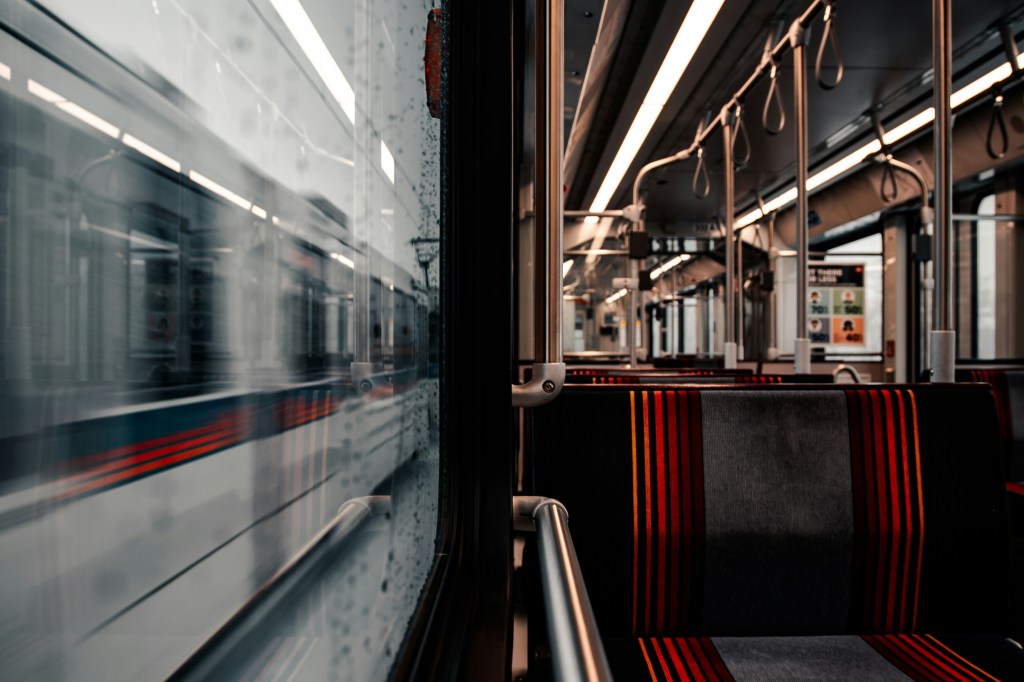
Imagine how relaxing your morning commute would be without the constant crush of traffic. How about being able to travel with friends to a weekend sports game or see your favorite artist without the hassle of the inevitable post-event parking lot chaos? Perhaps going to the local zoo with your children or checking out that new exhibit at the art gallery without worrying about their carseat?
Currently, American trains struggle to accommodate just the first of these visions, forcing many Americans into cars. However, intracity railroads are slowly shifting to realize the latter scenarios as well, pivoting from serving the needs of commuters to those of the public at large.
The High Speed Rail Alliance defines regional rail as “frequent trains on memory schedules to serve many types of trips.” This means systems that are not confined to commuter schedules focused on morning and afternoon rush hours, lacking even basic evening or weekend service. Instead, regional rail prioritizes helping people reach schools, medical appointments, and cultural and sporting venues in addition to downtown offices. Thus, this service model fits the flexible schedules consumers demand post-pandemic.
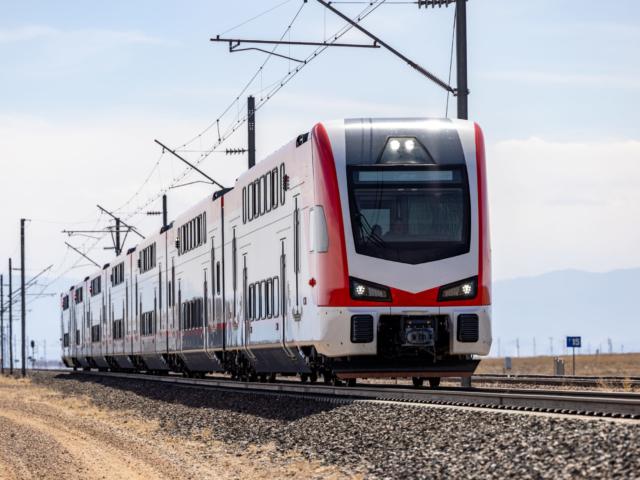
Regional rail is often electrified using overhead power lines. Since electric trains can accelerate and decelerate faster than the diesel ones often used today, electrification translates to less delay and more time at your destination. Going electric also means trains will have a lower carbon footprint as the grid decarbonizes.
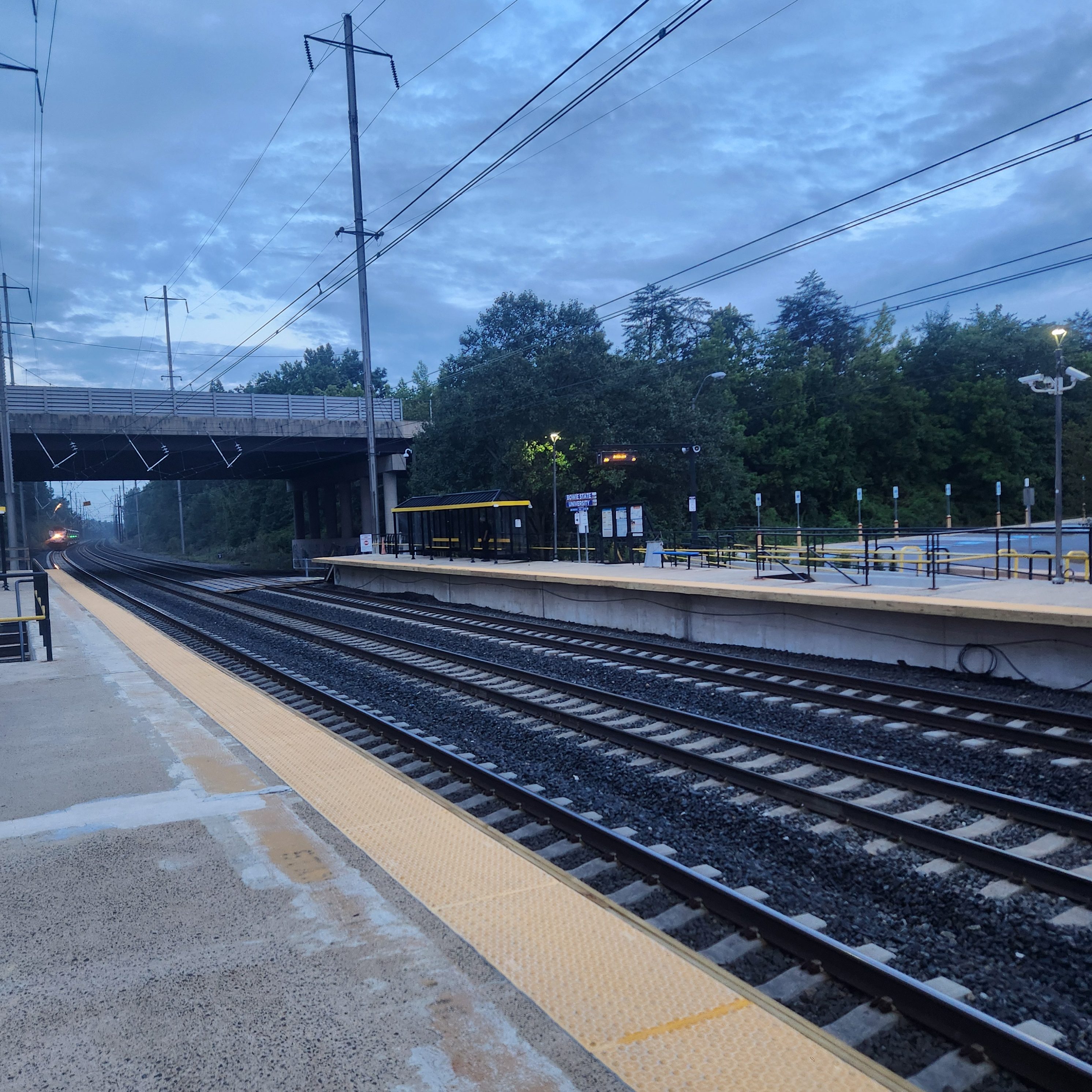
The differences between commuter and regional rail may be explained by examining two railroads in our nation’s capital: VRE and MARC. VRE is Virginia Railway Express. Offering trips almost exclusively in peak directions on weekdays with infrequent departures, VRE is a classic commuter railroad of yesterday. Thankfully, authorities recently revealed a grand plan to transform VRE into the modern regional railroad residents need.
MARC, or Maryland Area Regional Commuter, explicitly references the nine to five commuter model in its name. However, examining current MARC timetables shows a variety of trains throughout the day on most lines. Still, service frequency could be improved to at least every thirty minutes and travel times could be shortened via infrastructure upgrades. Ironically, MARC runs diesel trains under overhead electric wires, wasting a perfect opportunity to decarbonize and lower travel times with electric trains.
Caltrain, which serves the San Francisco Bay Area, is arguably the first true regional railroad in America. In 2024, Caltrain completed a $2.72B electrification project
complete with new electric trains, laying the foundation for forty seven percent ridership growth in the following year. With doubled weekend service and weekday trains serving all stations at least every thirty minutes, Caltrain has demonstrated that regional rail can work in America, despite large upfront costs.
If America wants to free its people from endless congestion and become a truly sustainable society, regional rail is a proven way to get there. Are we willing to invest in America and the future of our country?
 Writing About the Environment
Leave a comment