Written By Brian Ocotlan-Urbano
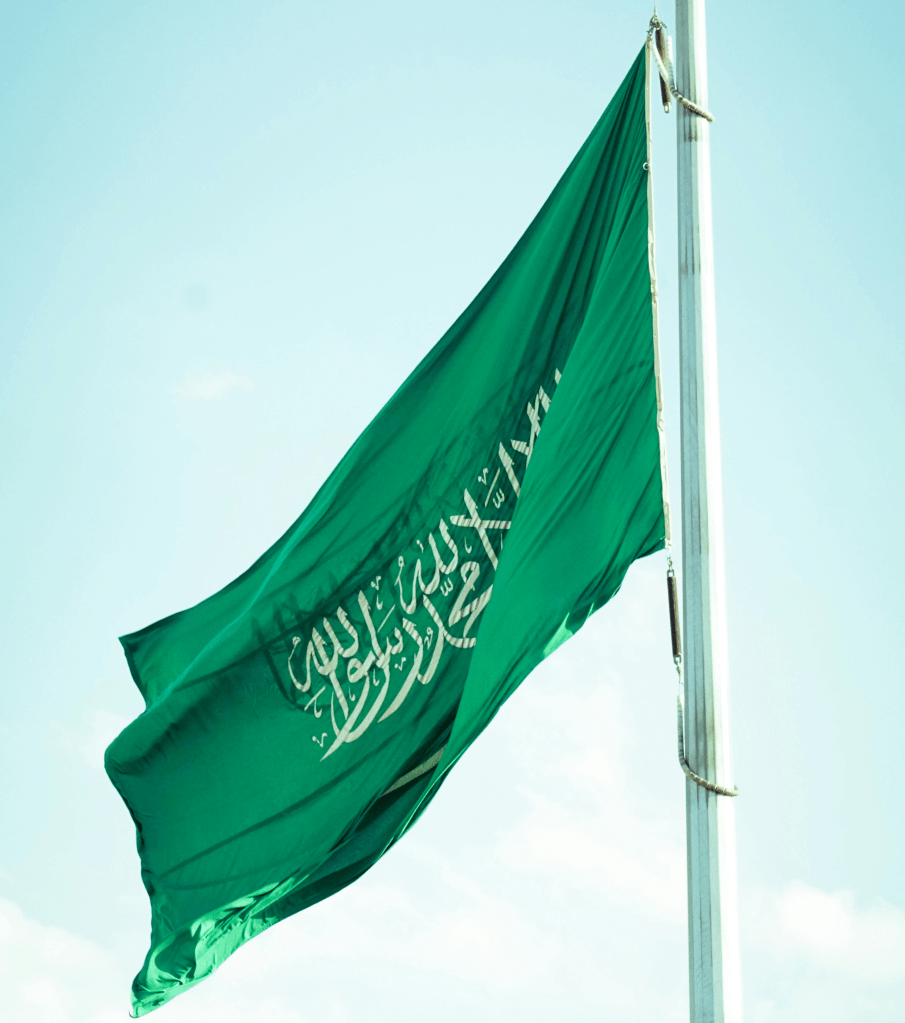
Image By Du_Black from Pexels
It is no secret that there is a large developing, almost paradise-like style of creating in the Saudi Arabian country. Where we are more likely to see beautiful forms of skyscrapers, and man-made resorts with exotic tourist attractions. This booming economic development brings more land conversion and an overall increase in demand for space. It is also bringing with it the death of ecosystems and species that once occupied the converted spaces. The continuous development has notably targeted the desert and coastal environments, which are homes for many animals. It is reported through research from the Journal of Sustainable Development of Energy, Water and Environment Systems that in many areas, like Riyadh Jeddah and Makkah from 1985-2014, there has been a 40% loss of natural landscapes. Furthermore, it is discovered that this type of loss is the combination of increased carbon dioxide output and the phenomenon of urban heat island.
Only scratching the surface, we understand the issues that the loss of these habitats brings to the environmental structures of Saudi Arabia. The exploitation of the desert land directly damages people as well. There is no doubt that the loss of habitat space damages the animals that live in these areas, but the loss of these areas matters to people as well. With the intensive energy needed for the cities developed in Saudi Arabia, the demand falls back upon the habitats. Before even mentioning human challenges from sustaining these urban cities, looking at the local species first, we see that our challenges are similar
The species, such as the Arabian leopard (Panthera pardus nimr) and the Asir magpie (Pica asirensis), face dangers of habitat fragmentation, just to name a few. According to research by Almulhim and Cobbinah, the species face diminishing resources, which are already so hard to find in these environments. The demand for urban cities to have these resources limits the species of leopard’s ability to survive and reproduce. Already providing us with evidence for the argument that the damage the energy demand of these cities requires is only ruining the natural land. Unless the demand for tourism truly outweighs the lives of the local animals, the continued rushed urbanization of these cities will continue.
Similar to animals, the people of this land, as stated before, face challenges from the rapid development of Saudi Arabia. The homes and resources may not be such an issue for people in Saudi Arabia, but the pollutants created around them are also increasing. Operating such massive areas produces a lot of air and water pollution. And with the decline of green spaces, wetlands, or other forms of climate-mitigating becoming more scarce or less vital. Referencing research by Ji Chen and Liqun Sun, the uneven large-scale urbanization brings with it differing outcomes for which areas are developed in certain ways. Meaning in terms of environmental protection, such as mitigating pollution and implementing tools to help fight the changes large-scale urban cities bring. Well, this is less possible for many areas where we may see less demand for high-income production and rapid urbanization. So overall, the people who may be near these areas will be more subject to the damage brought by their growing cities.
Can rapid urbanization be sustainable? The case of Saudi Arabian cities – ScienceDirect
Frontiers | Urbanization and habitat loss: an overview of rapidly growing cities in Saudi Arabia
 Writing About the Environment
Leave a comment