For years, the conversation around light pollution (ALAN) was about seeing the stars. But as of April 2026, the stakes have shifted from the telescope to the stethoscope and the global thermostat.
New research released this month is redefining our understanding of how artificial light isn’t just “bright”—it’s a fundamental disruptor of human biology and Earth’s climate.
1. The Rise of “Solar Jet Lag”
A major study published just this week (April 2, 2026) by researchers at the Fred Hutch News Service has introduced a startling new concept: Solar Jet Lag.
While we usually think of jet lag as something that happens after a flight, scientists are now finding that living in light-polluted areas creates a “chronic mismatch” between our internal sun clock and our social clock.
- The Health Link: For the first time, researchers are investigating a direct link between this environmental circadian misalignment and an increased risk of liver cancer (specifically hepatocellular carcinoma).
- The Mechanism: When ALAN disrupts our rhythm, it triggers metabolic dysfunction and obesity, which are primary drivers for liver disease. It’s no longer just about a bad night’s sleep; it’s about long-term organ health.
2. The Satellite “Sunlight” Threat
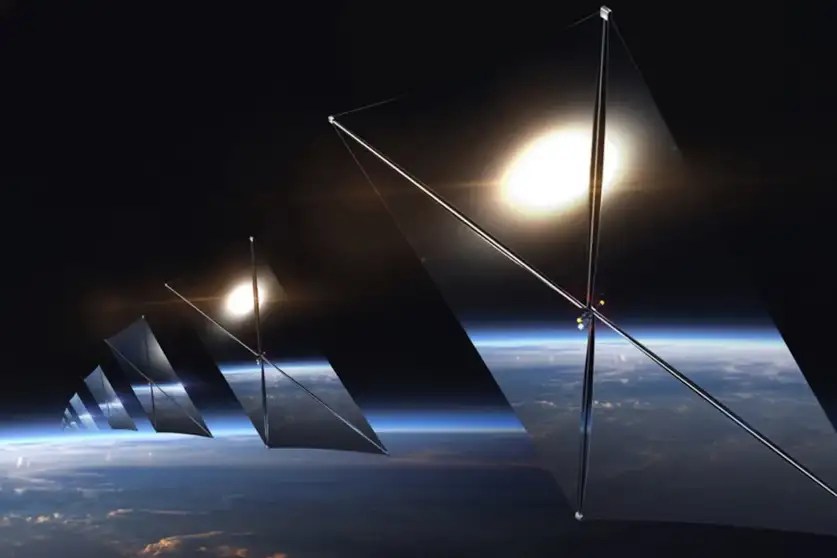
As of March 2026, a new form of light pollution has entered the ring: Orbital ALAN.
- Reflect Orbital: New proposals currently under review by the FCC involve mirrored satellites designed to redirect actual sunlight back to Earth at night to power solar farms.
- The Concern: Experts from Northwestern University warn that this could flood entire cities with “daylight-level intensity” during the middle of the night, effectively erasing the concept of nighttime for the plants and animals in those zones.
3. The Carbon Respiration Gap
Data from late 2025 and early 2026 confirms that ALAN is a silent contributor to climate change.
- The “CO2 Pump”: Artificial light increases ecosystem respiration—the process where plants and soil microbes release $CO_2$.
- The Imbalance: Because there is no sun for photosynthesis at night, plants can’t “re-absorb” that carbon. This creates a net loss of carbon storage across light-polluted continents, making our urban forests less effective at fighting global warming.
How the Industry is Responding in 2026
The lighting industry is currently undergoing a “Dark Sky” revolution. The top trends for this year include:
- Remanufacturing: Refurbishing old streetlights to be “nature-friendly” rather than replacing them with high-glare LEDs.
- Human-Centric Lighting: Systems that automatically shift to amber and red tones after 10:00 PM to protect melatonin production.
- Smart Dimming: Using AI-driven motion sensors so that neighborhood lights only reach full brightness when a pedestrian or vehicle is actually present.
The Takeaway
Light pollution is one of the few environmental crises we can fix with the flick of a switch. By choosing shielded, warm-toned fixtures and supporting “Dark Sky” legislation, we aren’t just saving the view—we are protecting our metabolic health and the Earth’s ability to breathe.
Source: Fred Hutch News Service: Does solar jet lag contribute to liver cancer? (April 2026)
 Writing About the Environment
Leave a comment