AI data center energy use is often presented as part of a cleaner, more advanced digital future, but the reality behind it is more complicated. While major tech companies promote renewable energy goals, much of the infrastructure powering artificial intelligence still depends heavily on fossil fuels. A big reason for this is how quickly AI is expanding. Training and running large-scale systems requires massive amounts of electricity, and demand is rising faster than renewable energy can realistically keep up with right now (Senyapar and Bayindir).
Another issue comes down to reliability. Data centers run nonstop, and even small interruptions can cause major problems. Renewable energy sources like wind and solar are not always consistent, which makes it difficult for companies to rely on them alone without advanced storage systems that are still developing. Because of this, many data centers continue to draw power from existing energy grids, which are still largely powered by fossil fuels in many regions. Research shows that the environmental impact of AI systems depends heavily on the type of energy feeding the grid, meaning that even efficient systems can still produce high emissions if the electricity comes from carbon-intensive sources (Senyapar and Bayindir).
There is also a gap between what companies promise and what actually powers their systems. While companies may invest in renewable projects or purchase clean energy credits, the electricity used in real time often comes from whatever energy is available on the grid. As another analysis points out, this disconnect means that fossil fuels remain deeply built into the system supporting AI growth (Curcio).
AI is often described as invisible, but the energy behind it is very real. Until renewable energy systems expand fast enough to match the pace of AI development, fossil fuels will likely continue to play a major role.
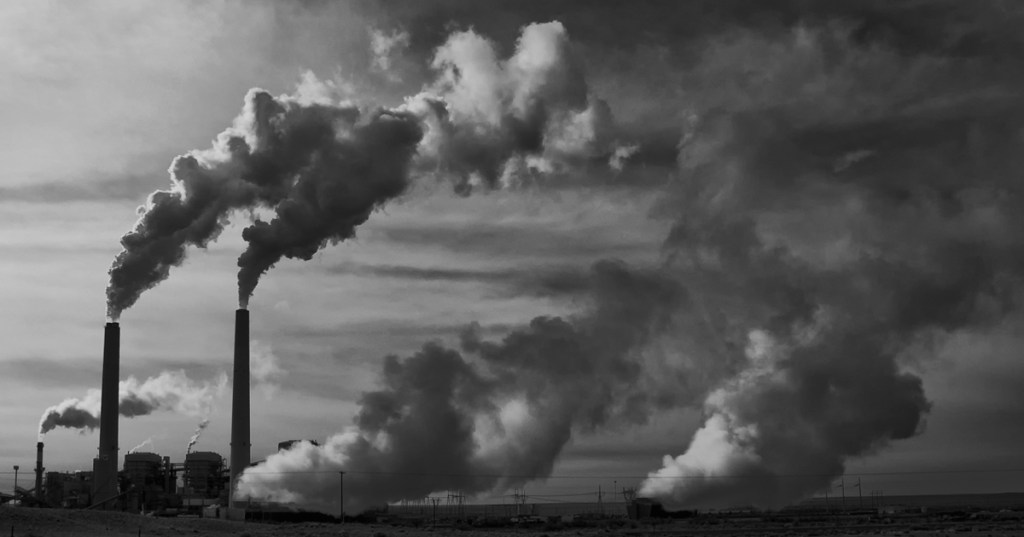
Alt text: Industrial facility with multiple smokestacks releasing thick plumes of dark smoke into the sky, illustrating heavy fossil fuel emissions and air pollution.
References
Senyapar, Hafize Nurgul Durmuş, and Ramazan Bayindir. “The Energy Hunger Paradox of Artificial Intelligence: End of Clean Energy or Magic Wand for Sustainability?” Sustainability, vol. 17, no. 7, 2025, p. 2887. MDPI, https://doi.org/10.3390/su17072887.
Curcio, Eliseo. “AI’s Energy Addiction: Why Clean Fuels Are the Only Shot at a Sustainable Future.” SSRN, 20 June 2025, https://papers.ssrn.com/sol3/papers.cfm?abstract_id=5264038.
 Writing About the Environment
Leave a comment