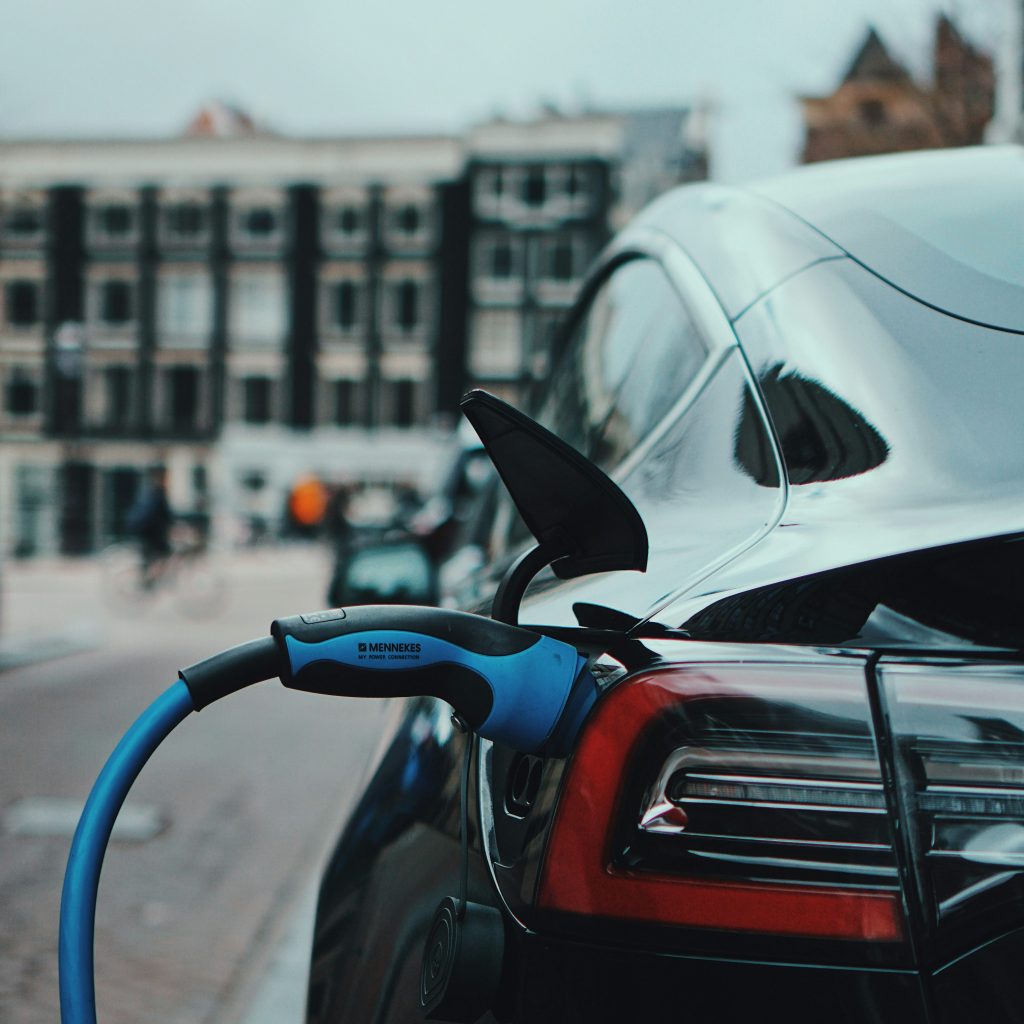
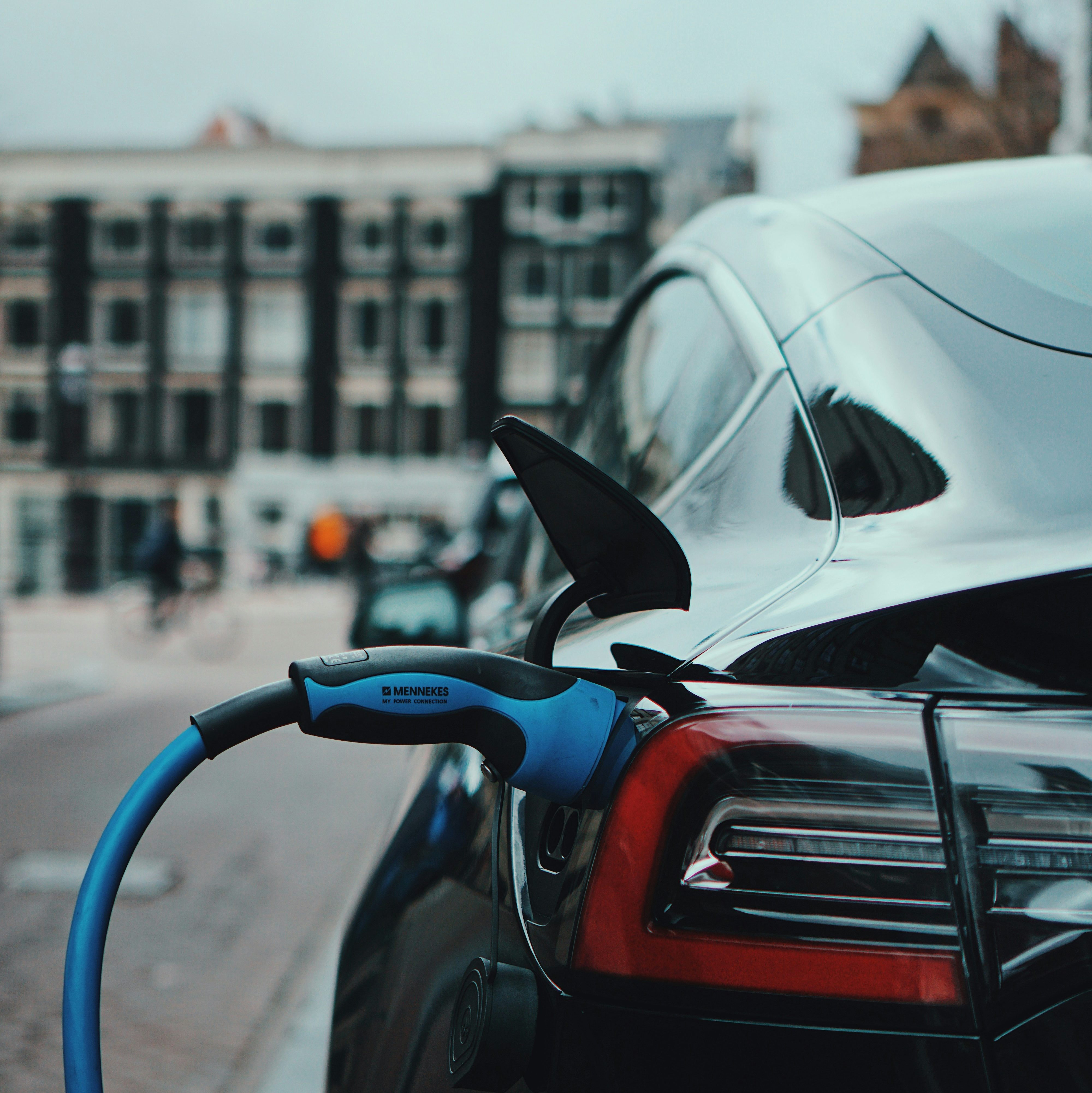
Since America and Israel’s war on Iran started in late February, gas prices have raced to the four dollar mark, with no signs of slowing down. Accordingly, there has been renewed interest in alternative vehicles, particularly electric vehicles (EVs).
Coupled with the power to lower prices for consumers and environmental harms, EVs emerged in the late 2010s as a potentially potent force in the global transportation landscape. It’s no surprise that some politicians touted EVs as a way to address the ever-escalating impacts of climate change. But are EVs enough to solve America’s transportation woes?
While EVs may reduce reliance on foreign oil, and perhaps carbon emissions as the electric grid becomes renewable-centric, EVs only exacerbate many of the problems traditional cars pose to the public.
First, EVs require the same massive investments in land and physical infrastructure that traditional cars rely on. This is concerning given that the federal Highway Trust Fund, which supports roadway construction and maintenance nationally, has been piggybacking from general government tax revenues since 2008 and is now insolvent by two hundred and seventy five billion dollars. Why should America double down now on a failing system?

EVs still cause car crashes, meaning millions more deaths for both drivers and pedestrians. Plus, EVs require drivers to maintain the same sedentary position they had previously, which has been linked to physical diseases as well as social ailments like isolation and loss of independence in children. Congestion on the commute home? EVs can’t solve that perennial problem.
One must also consider the physical feasibility of replacing the current vehicle fleet en masse with EVs. Researchers at the University of Toronto recently found that meeting the Paris agreement’s 2° C warming goals for transportation via EVs alone would require additional electricity demand roughly equal to forty percent of 2017 total domestic demand and thirty percent of the world’s known terrestrial cobalt reserves for lithium-ion batteries, less than fifteen percent of which is available domestically. As the kids say, “the math ain’ mathin’.”
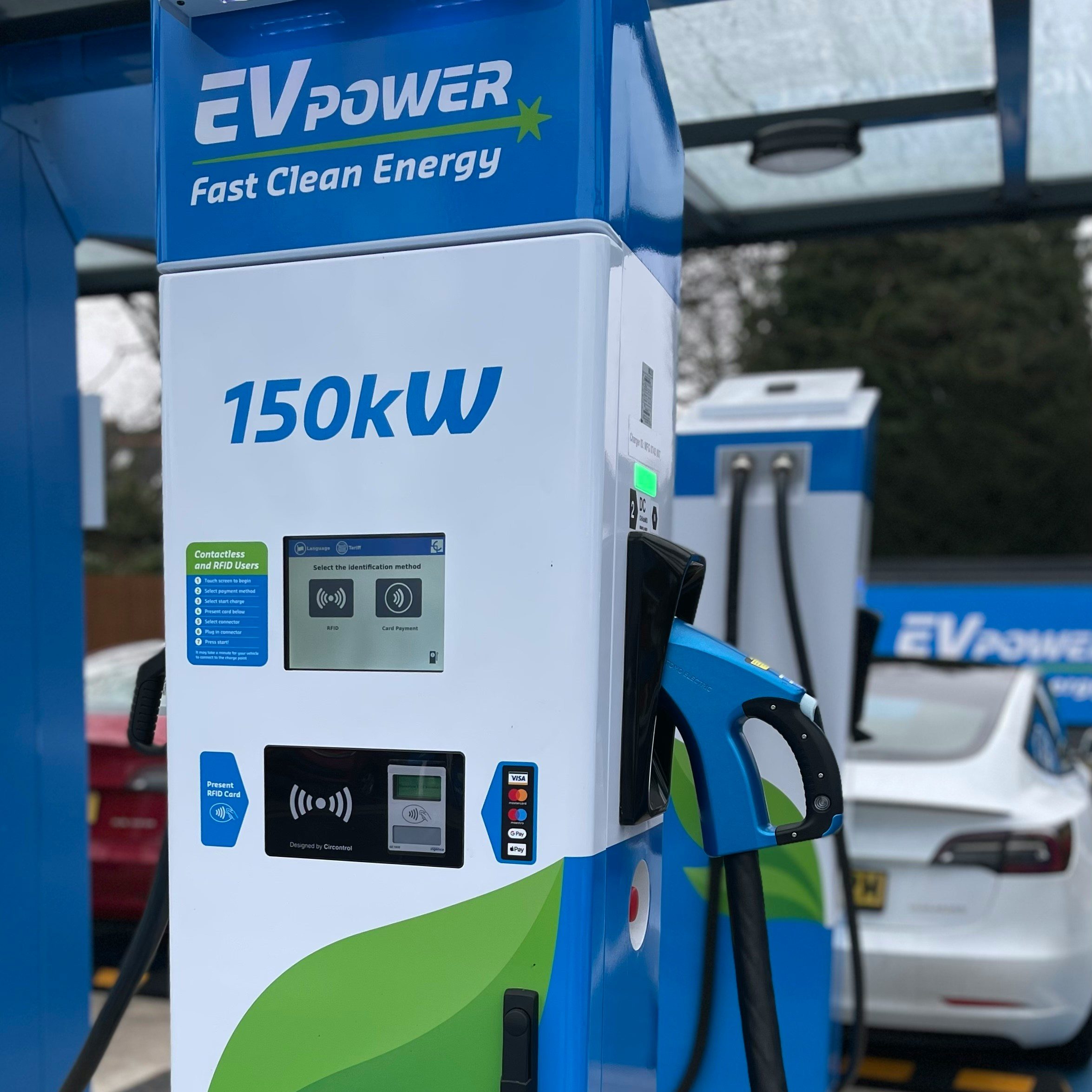
Ultimately, EVs are not the silver bullet politicians and pundits have posited them to be. While EVs look promising on paper, taking a look under the hood reveals a similar quagmire of side effects to conventional vehicles.
The good news is that we have proven solutions to create a transportation system that benefits all Americans. Instead of putting a bandaid on obsessive car culture, the United States could turn to solutions that have proven to reduce environmental and human harm, such as taking public transportation, walking and cycling. These modes are viable for users regardless of their income, location, or political affiliation, but they require commitment to building something great.
Now’s the time to stop settling for the financial insolvency and proven dysfunction car culture provides. Let’s realize a more affordable, sustainable, and user-centric transportation system for all Americans.

 Writing About the Environment
Leave a comment