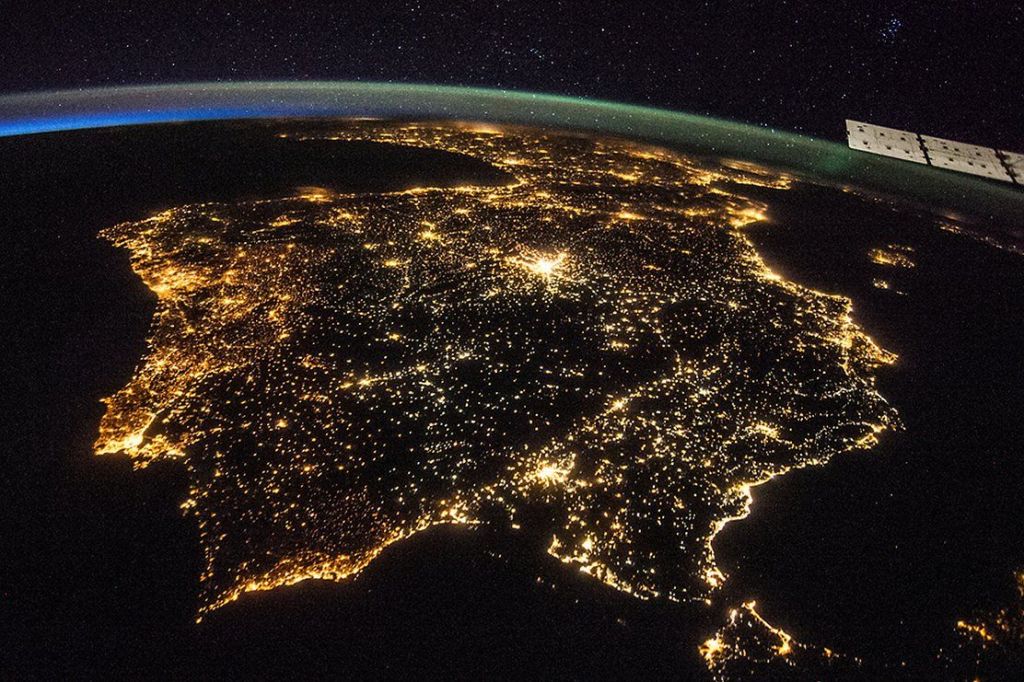
In 2023, the scientific community sounded the alarm about “Losing the Darkness.” Two years later, the situation has moved from a concern to a crisis. According to the newly released “Artificial Light at Night: State of the Science 2025” report by DarkSky International, the world is brightening at a staggering rate of 10% per year—a pace that is fundamentally altering life on Earth in ways we are only just beginning to map.
Here are the most critical findings from the 2025 research landscape.
The Heart of the Matter: A New Cardiovascular Threat
Perhaps the most alarming update comes from a landmark study presented at the American Heart Association’s 2025 Scientific Sessions. For the first time, researchers have established a direct, nearly linear link between outdoor light pollution and heart disease.
The study found that people living in areas with high artificial light at night (ALAN) showed:
- Increased Brain Stress: Higher activity in the amygdala, the brain’s “fear center.”
- Arterial Inflammation: A physical response to that stress that hardens arteries.
- Higher Risk: A 22% to 35% increase in major heart events over a ten-year period.
This suggests that light pollution isn’t just an “astronomy problem”—it is a public health emergency.
 Writing About the Environment
Leave a comment