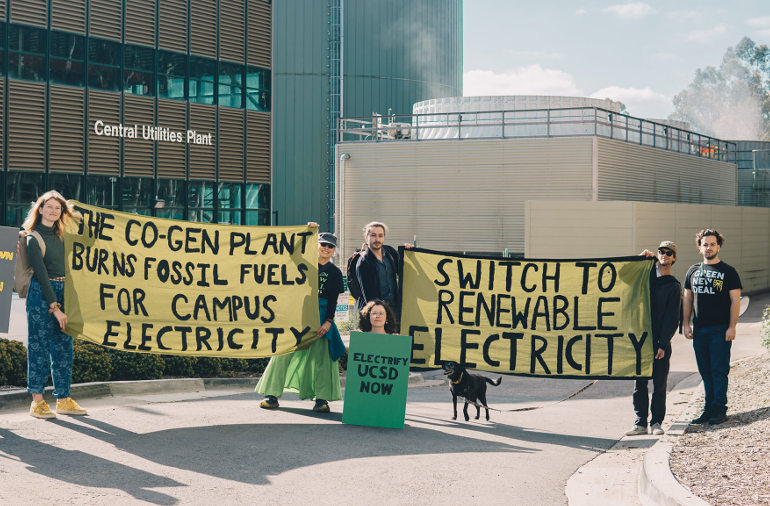
Community resistance plays a major part in shaping fossil fuel infrastructure projects. When individuals, environmental groups, or local communities oppose projects such as pipelines, drilling operations, or oil refineries, they can slow or stop development completely. Public protests, community gatherings, and legal campaigns often force governments and companies to review permits again due to environmental concerns. For example, protests against the Keystone XL Pipeline caused construction delays while environmental concerns were reconsidered.
Resistance can also increase costs for companies that develop these infrastructures. Legal battles, project redesigns, and security expenses can make projects more expensive and sometimes financially impossible. Strong opposition can sometimes lead to project cancellation due to an insufficient budget.
Community resistance also brings attention to environmental risks such as water contamination, air pollution, and climate change. Governments may enforce stricter regulations or consider renewable energy alternatives, influencing the overall direction of energy development.
Sources:
https://www.resilience.org/stories/2023-05-15/divest-decarbonize-and-disassociate-inside-the-bold-new-push-to-get-fossil-fuels-off-campus/
 Writing About the Environment
Leave a comment