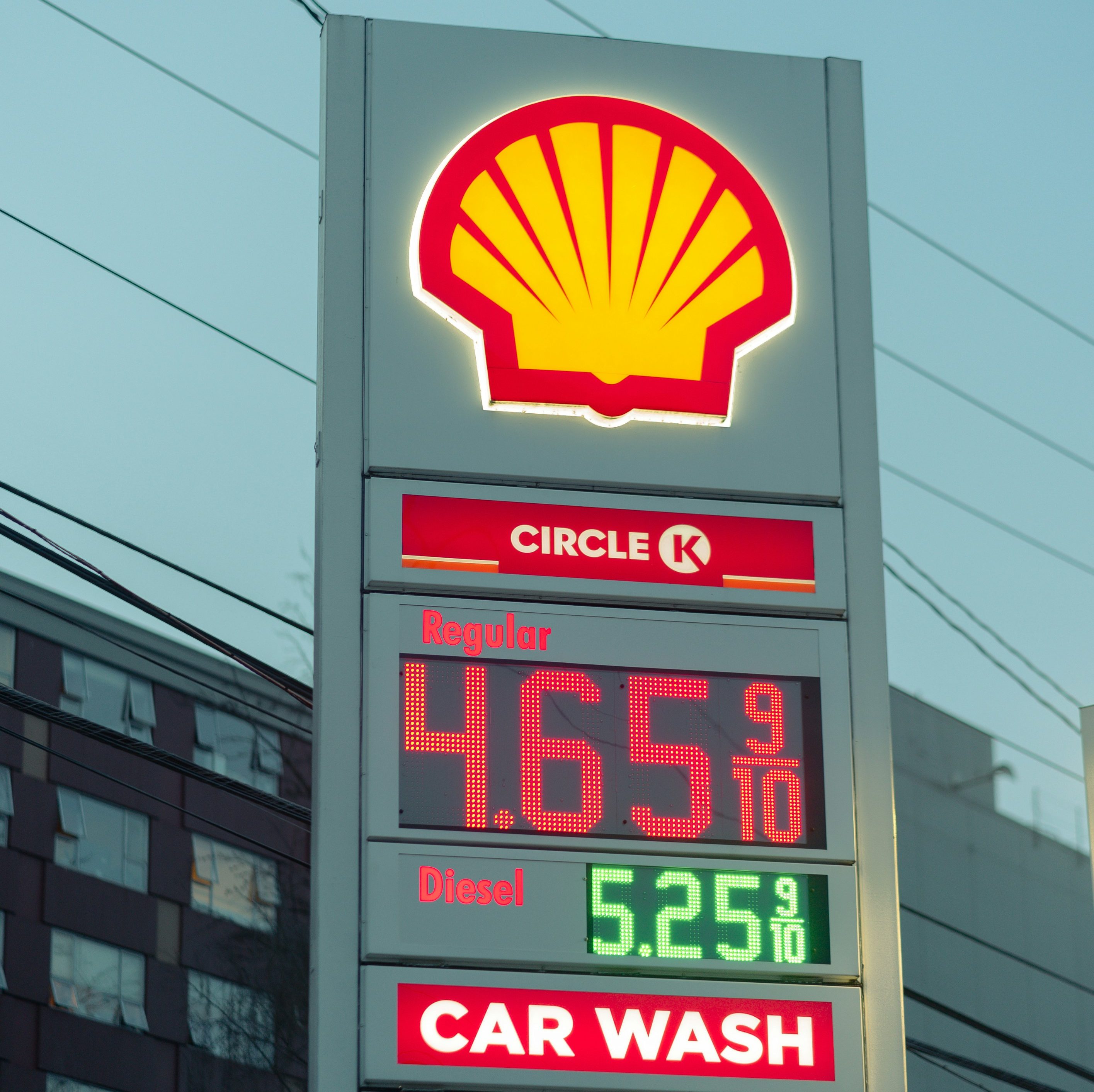
The ongoing war between the United States and Israel against Iran has seen crude oil prices soar, inevitably causing gasoline prices to jump for consumers. Global responses have focused on stabilizing these prices via releasing oil from strategic reserves, providing military escorts for civilian ships, and other short-term strategies. While these policies may lower prices temporarily, they do not fundamentally change transportation economics and will not protect consumers from future shocks when they inevitably arise. A game plan that could provide lasting relief includes increasing efficiency and creating a broader array of transportation options.
Many existing technologies have been improved upon significantly since the last major oil crises of the 1970s, especially cars. From basic engine improvements to hybrids and electric vehicles, automakers have provided new ways for consumers to avoid pain at the pump. On a broader scale, increasing efficiency reduces costs for companies, increasing their global competitiveness. Thus, it is no surprise that many individuals and firms have chosen to get more bang for their buck via efficiency investments great and small.
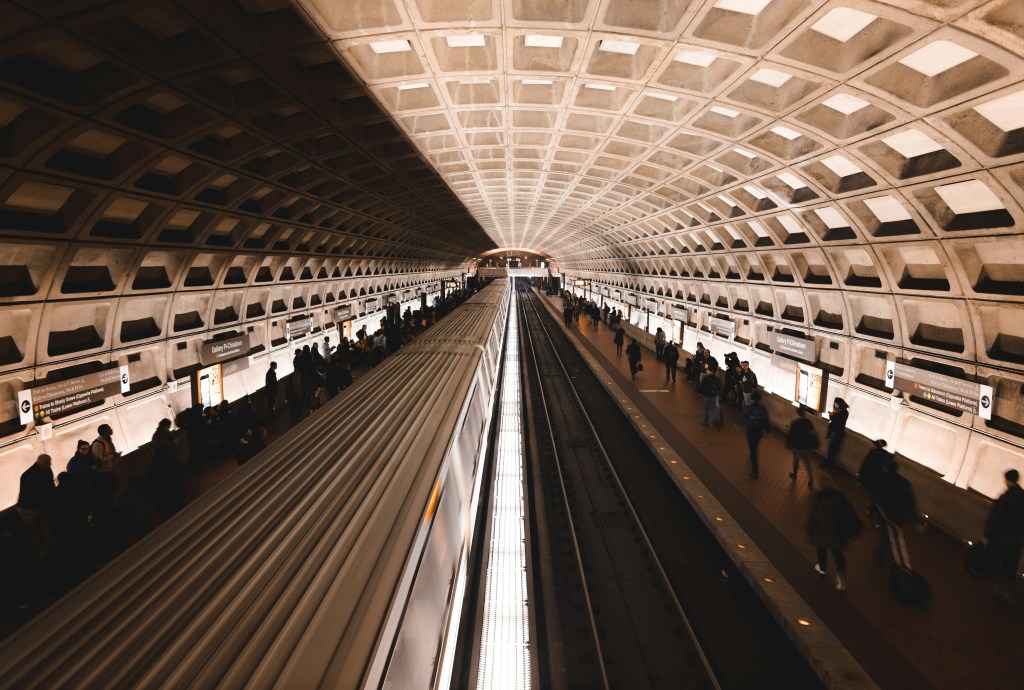
Another strategy to sidestep fuel price volatility is to invest in fossil fuel-free means of transport. Countries with more public transit and active transportation like walking and cycling will be better able to respond to this crisis without drastic government intervention, since higher gas prices naturally lead consumers to shift away from private vehicles and onto trains, buses, bikes, and their own two feet. As public transportation becomes increasingly electrified, disruptions to fuel prices gradually become irrelevant, insulating consumers from geopolitical meltdowns. For longer journeys, many European and Asian countries have or are building high speed rail, enabling them to avoid the 50% price increase in jet fuel seen over the past weeks.
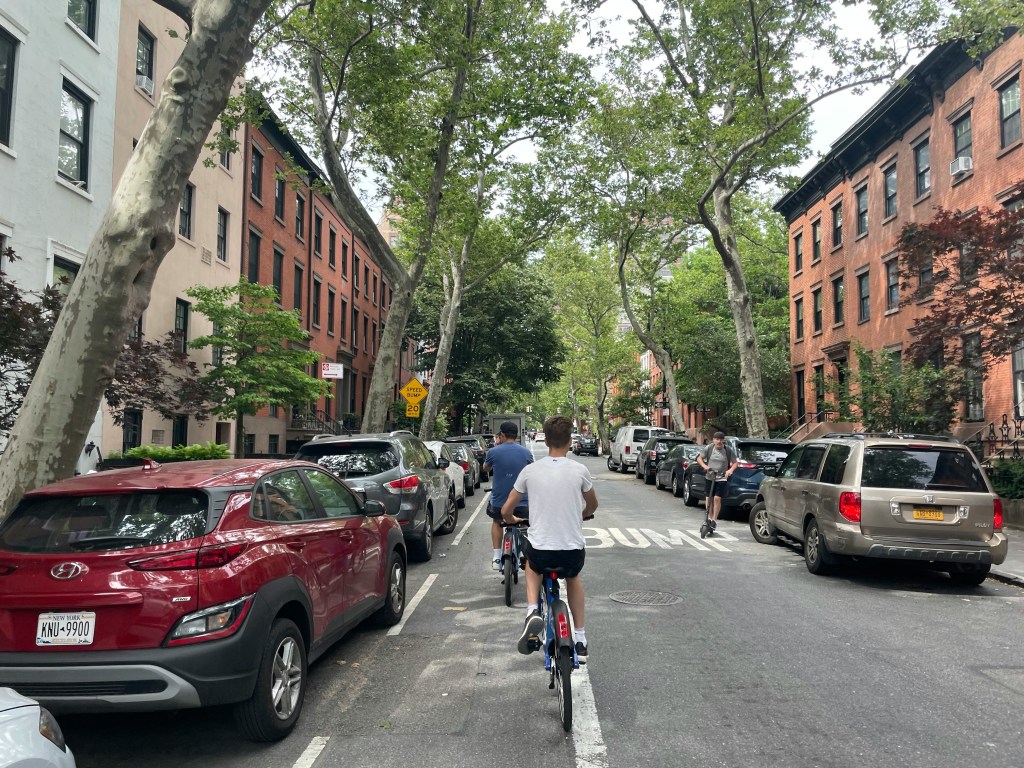
In countries with relatively little public transportation like the U.S., car culture chains consumers to price fluctuations or causes them to sacrifice trips entirely. Individuals and firms in industries such as ride-hailing, trucking, salesmen, and other travel-oriented professions are left with a classic Catch-22: working provides income but necessitates long vehicle travel, which becomes increasingly expensive, forcing individuals to work, and drive, more. Working-class families will forgo trips they can no longer afford via private vehicle and cannot access by public transportation, missing important time with family and friends. That’s why it’s vital to invest now in transportation alternatives so that consumers don’t have to worry when calamities come.
The current crisis is a perfect opportunity for countries to step back and re-examine their trajectories. When the next shock strikes, will they have learned from the present so that their descendants are prepared?
 Writing About the Environment
Leave a comment