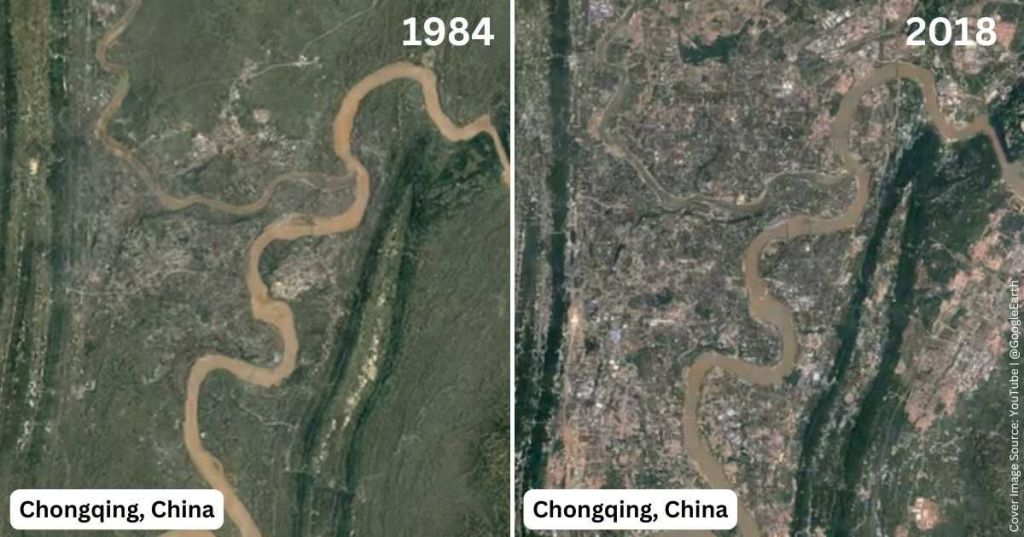
The urban development environmental impact is no longer a distant concern — it is actively reshaping how cities function, grow, and interact with surrounding ecosystems.
A recent global analysis of thousands of cities shows that urban expansion is driving rising energy demand, infrastructure pressure, and ecological disruption at an unprecedented scale. As development spreads outward, natural land is converted into built environments that alter water systems, increase heat retention, and intensify resource consumption. These changes accumulate over time, creating environmental stress that cities must continuously manage.
Read the study:
https://www.sciencedirect.com/science/article/abs/pii/S0195925525004159
At the same time, research on urban sustainability highlights how rapid development often occurs in regions already facing climate vulnerability. Expanding populations, dense infrastructure, and limited planning capacity combine to amplify environmental risks such as flooding, pollution, and heat exposure. In many cases, urban growth concentrates environmental pressure rather than distributing it evenly.

Explore the research:
https://pmc.ncbi.nlm.nih.gov/articles/PMC12901300/
Together, these findings show that the environmental consequences of urban growth are not isolated side effects. They are structural outcomes of how cities expand. Land conversion, infrastructure demand, and climate stress interact in ways that reshape entire regional ecosystems.
Urban planning increasingly includes sustainability goals and resilience strategies. However, many planning systems were designed for slower, more predictable growth patterns. Rapid expansion is outpacing those assumptions.
The central issue is no longer whether development affects the environment. The challenge is whether planning systems can adapt quickly enough to manage the environmental pressures urban growth is already creating.
 Writing About the Environment
Leave a comment