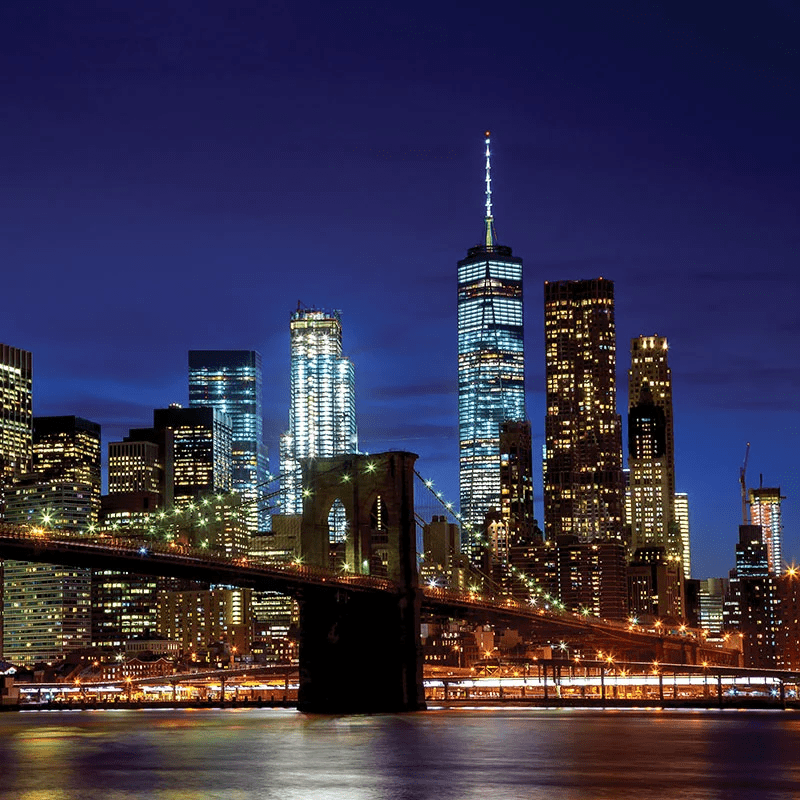
Have you ever wondered why the night sky isn’t as bright anymore? Instead of seeing stars, we often see a vast sea of darkness. This change is largely due to light pollution, which refers to excessive or misdirected artificial light that brightens the night sky and interferes with natural darkness. Light pollution is one type of pollution that surrounds us every day but often goes unnoticed because it has become normalized in modern cities.
Although artificial lighting provides safety and convenience in the modern age, it has a detrimental effect on human health. For example, exposure to artificial light at night can disrupt the body’s natural sleep cycle by interfering with the production of melatonin, the hormone responsible for regulating sleep. The disruption of sleep can lead to a vast number of health effects, such as irritability, depression, forgetfulness, and more.
There are simple ways to mitigate the effects of light pollution, including using LED lights, avoiding staying up late and embracing the dark at bed time.
 Writing About the Environment
Leave a comment