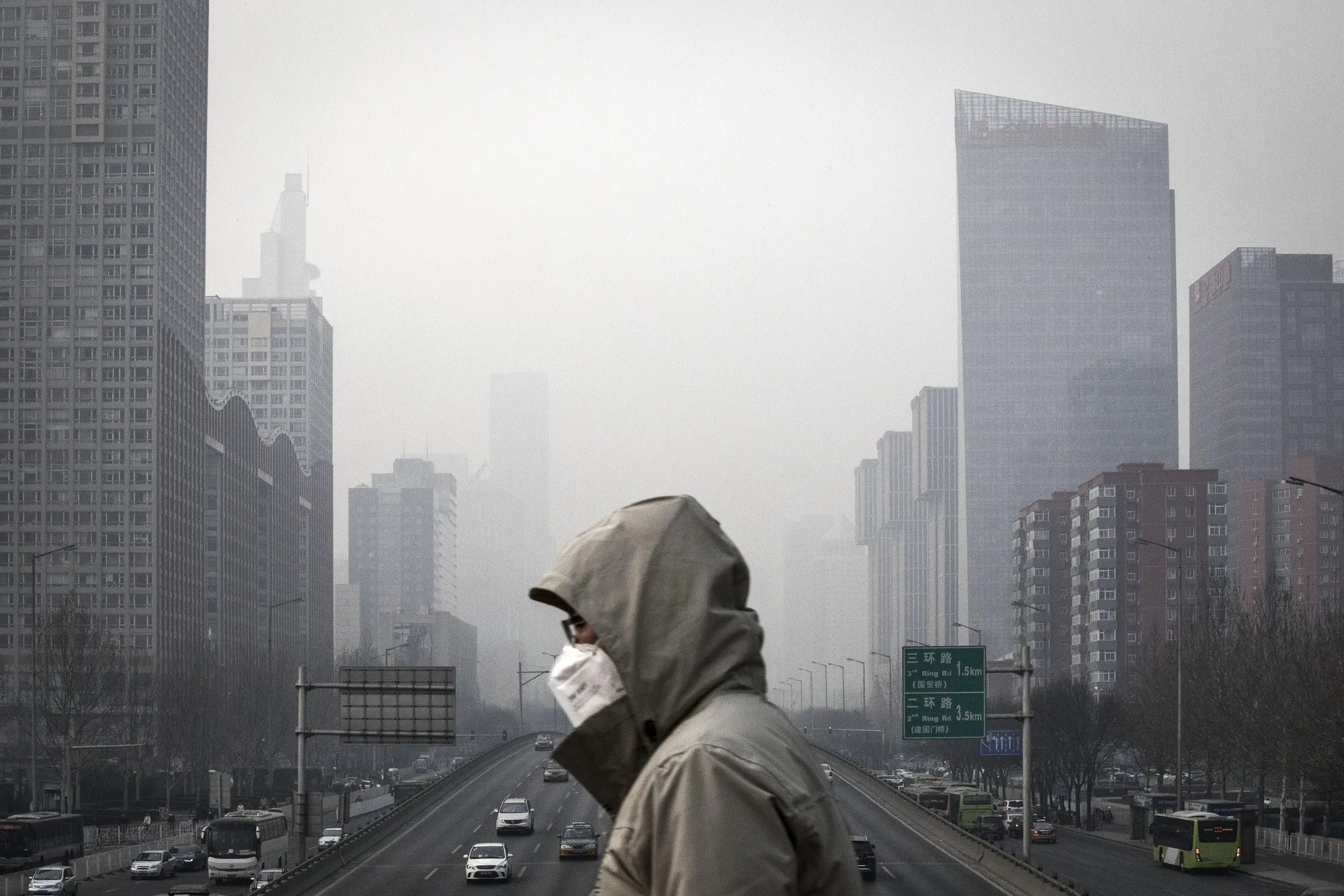
When it comes to understanding urban air pollution, many people would likely think that car fumes and factory smoke are the two main drivers of pollution. In reality, atmospheric dust (tiny particles of matter like sand and debris) plays a major role in the air quality of cities and health of the people that live there.
These particles can come from both natural and human sources. Activities like construction and traffic as well as dust being carried by the wind, can become airborne and affect the air that people breathe. Researchers state that dust is actually the second-most abundant aerosol in the atmosphere globally, and yet it is often ignored when discussing the topic of urban pollution.
Air pollution is also connected to the deterioration of the environment through climate change. While dust particles affect how people breathe, greenhouse gases released from human activities are affecting the planet on a deeper level. A recent report warns people that not addressing these problems quickly can lead to consequences that can affect future generations and make the problem harder to solve in the future.
By recognizing these issues and bringing them into the spotlight, decision-makers can make more environmentally conscious choices that lead to safer and healthier cities.
References
Image: https://assets.bwbx.io/images/users/iqjWHBFdfxIU/inCVeDpT0ejg/v1/-1x-1.webp
https://phys.org/news/2026-02-atmospheric-overlooked-urban-air-pollution.html
 Writing About the Environment
Leave a comment