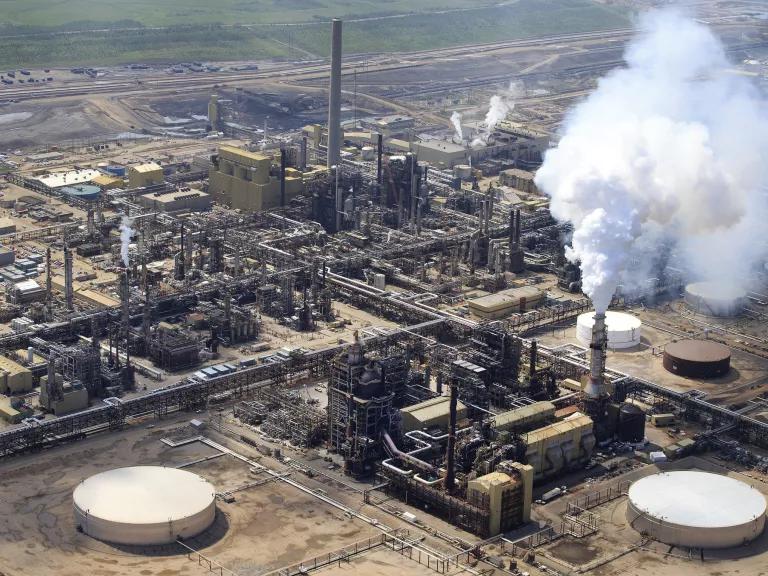
Most people misunderstand liquid natural gas (LNG) terminals because they are framed as clean energy exports, when in reality they extend fossil fuel dependence and increase local environmental risks. Understanding how LNG terminals operate and who bears their environmental costs is essential for communities and policymakers deciding the future of U.S. energy infrastructure.
These terminals cool natural gas to extremely low temperatures so it can be shipped overseas. This process requires large amounts of energy and produces a lot of greenhouse gas emissions. The construction and operation of these facilities usually take place near coastal areas that already face pollution from power plants and oil refineries. People may experience increased air pollution, noise, and safety concerns from constant terminal activity. Environmental advocates also warn that increasing LNG exportation could keep the United States in decades of continued fossil fuel production. As overall demand for cleaner energy increases, many experts argue that we should instead focus on renewable energy to maintain certain infrastructures.
References
 Writing About the Environment
Leave a comment